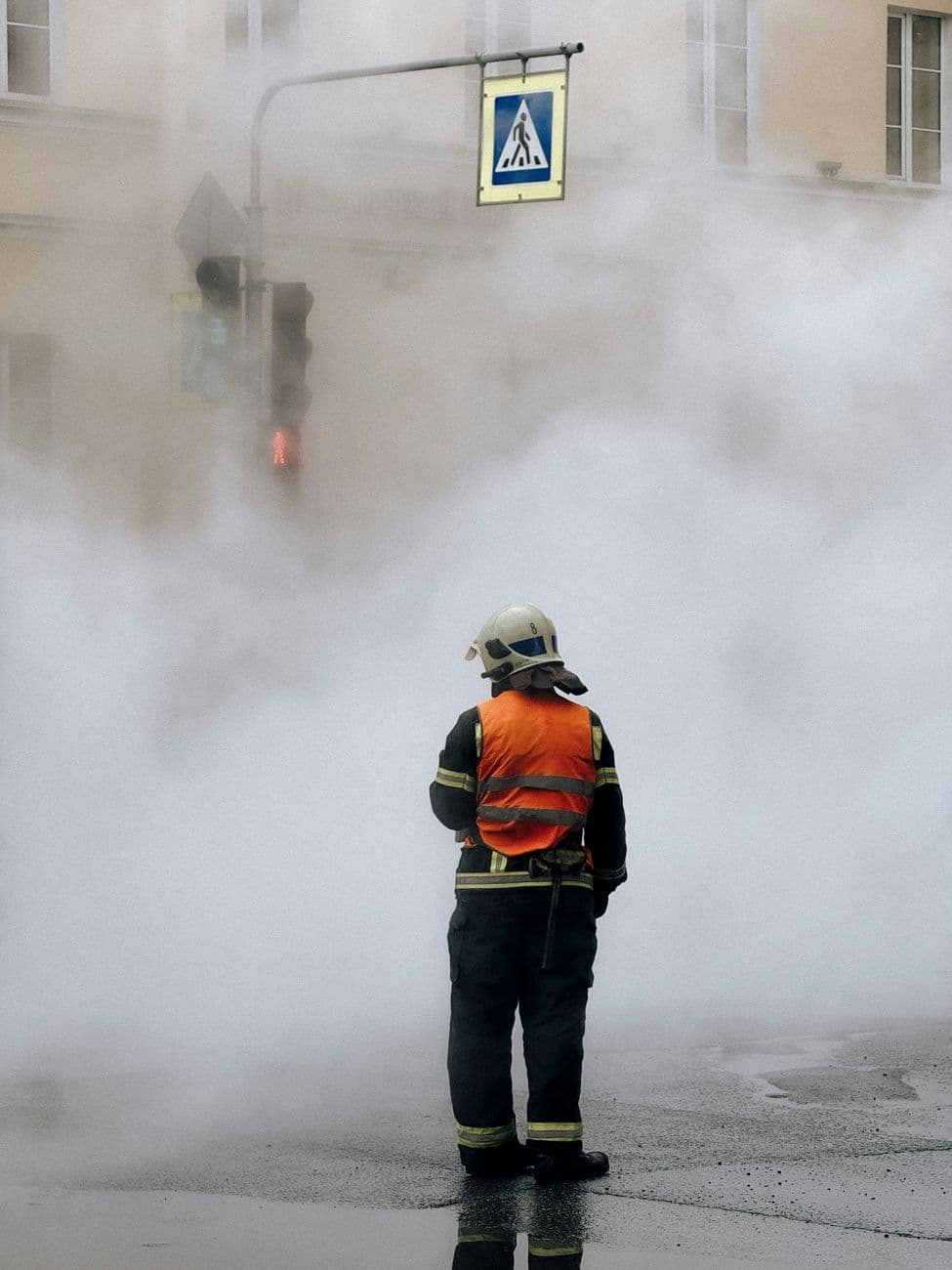
Brussels fire prompts warning to keep windows closed
Updated 1 July 2026, 00:00 UTC. BRUSSELS — A fire in Brussels prompted an official-style safety warning for residents and drivers to keep their windows closed, Le Soir reported in a breaking item carried by Google News. The alert focused on smoke exposure and immediate public-safety precautions. No verified casualty toll, exact address or cause was available from the sources checked at publication time.
The immediate concern is public health and road safety. Smoke from an urban fire can move quickly across streets and into homes, offices and vehicles. The practical instruction reported by Le Soir is clear: people in the affected area should keep windows closed and avoid drawing smoke into indoor spaces or car cabins until emergency services lift the warning.
The story concerns an active fire response in Brussels and a public warning linked to smoke. Le Soir reported that residents and motorists were asked to keep their windows closed. Brussels fire and emergency medical response is handled by the Service d'Incendie et d'Aide Médicale Urgente de la Région de Bruxelles-Capitale, known as SIAMU/DBDMH, which covers the Brussels-Capital Region's 19 municipalities according to official and institutional background sources.
Background
Major fires have shaped Brussels emergency planning for decades. The 1967 Innovation department-store fire remains a reference point in Belgian fire-safety history and contributed to later changes in the organisation of Brussels fire services. Today, Brussels has a regional fire and emergency medical service rather than separate municipal brigades.
Impact
Regional — The impact is local to Brussels. Residents, office workers and drivers near the smoke plume face the most direct disruption, while traffic may slow if emergency crews close streets or drivers reduce visibility-related risk.
Local — Keep windows closed in the affected area, avoid smoke, and allow emergency vehicles clear access. Drivers should keep vehicle ventilation from drawing outside air if they pass near the smoke plume.
What it means for you
Residents near the smoke should close windows and doors. Motorists should avoid the area where possible, keep car windows closed, and follow police or emergency-service diversions.
Opposing perspectives
- Emergency services and public authorities
Emergency responders prioritise smoke avoidance, traffic control and space for crews to work. The window-closure warning is a precaution that reduces exposure while firefighters assess the scene, contain the fire and determine whether the smoke plume presents a wider risk.
- Residents, workers and motorists nearby
People in the affected area need precise, practical information: which streets are affected, whether public transport or road access has changed, and when it is safe to reopen windows. For drivers, the alert also affects visibility, ventilation settings and route choices.
Who and what
- placecity where the fire and smoke warning occurred
- organisationreported the safety warning
- organisationcarried the breaking item
- institutionhandles Brussels fire and emergency medical response
- institutionknown name of the Brussels regional fire and emergency medical service
- placeregion covered by SIAMU/DBDMH across 19 municipalities
- eventhistoric Brussels fire referenced as shaping emergency planning
- organisationdepartment store involved in the 1967 fire
Sources & evidence
- View sourceLe Soir via Google NewsPrimaryprimary· news.google.com· 1 July 2026
- View sourceVille de Bruxellesofficial· bruxelles.be
- View sourcePompiers de Bruxelles - SIAMU/DBDMHofficial· pompiers.brussels
- View sourceBelgian Civil Securitybackground· securitecivile.be
Related to this story

Pulse Insight — This topic connects to 10 associations, 3 funding programmes, 89 upcoming events and 1703 jobs through the Brussels ecosystem.
Live connections from the Belgium Impulse ecosystem — not recommendations.
This briefing was prepared with AI assistance and reviewed by a Belgium Impulse editor before publication. methodology.