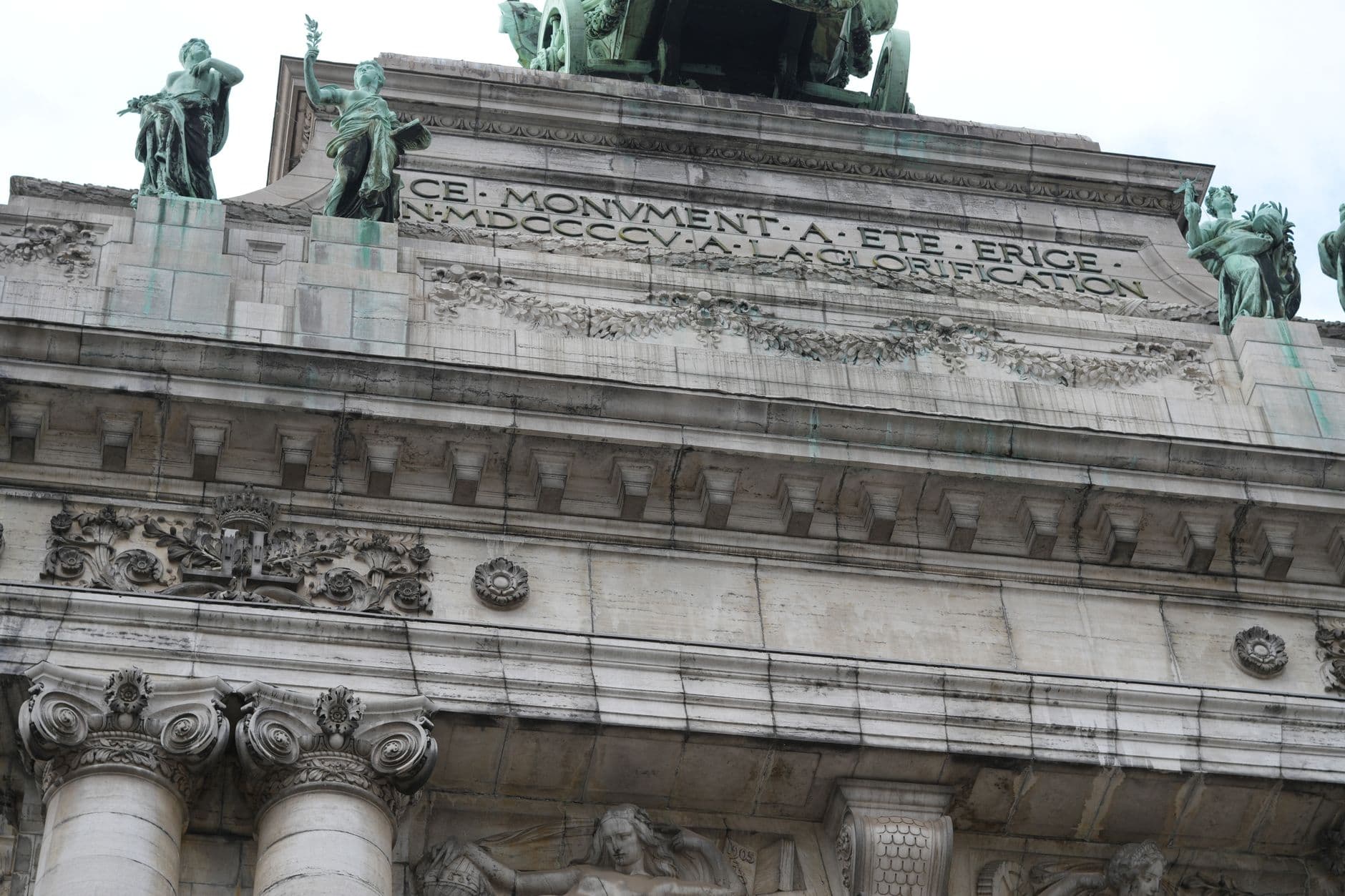
How will nearly 50,000 runners reshape Brussels this Sunday?
Brussels’ biggest road-running event turns the capital into a managed city-wide course on Sunday, 31 May 2026, with close to 50,000 registered athletes expected around the Cinquantenaire, the EU quarter, Louise, the Bois de la Cambre and Avenue de Tervuren. For residents, expats and EU staff, the practical point is simple: the race is not only a sporting fixture, but a mobility event affecting the same streets that connect Schuman, Belliard, Louise and the south-east of the city. Organisers reported 47,253 participants in 2026, representing 141 nationalities, and said the edition generated more than €2.5 million for charitable causes.
For a Belgium-based reader, this is a service story before it is a sports story. If you live in Etterbeek, Brussels City, Ixelles, Uccle, Auderghem, Watermael-Boitsfort or Woluwe-Saint-Pierre, ordinary Sunday travel can be disrupted for much of the day. If you work around the EU institutions, Schuman and Belliard are part of the race environment, not normal commuter corridors. If you are running, the practical questions are start wave, heat management, water points, medical support and getting home from Mérode without entering the busiest pedestrian flows.
The 20 km de Bruxelles / 20 km door Brussel is an annual mass-participation running and walking event organised by S.I. Brussels Promotion. The course starts and finishes at the Parc du Cinquantenaire, beside the European quarter, then crosses central and south-east Brussels via Schuman, Belliard, Poelaert, Avenue Louise, the Bois de la Cambre, Franklin Roosevelt, Boulevard du Souverain and Avenue de Tervuren. The event combines elite racing, amateur running, corporate teams, charity fundraising, handisport participation and a major public-transport operation led by STIB-MIVB.
Background
The race began on 8 June 1980 with 4,659 people at the start and 4,179 finishers at the Atomium. It has since become one of Belgium’s most recognisable participation races, growing from a jogging-era city event into an international Brussels fixture. Its morning start, wave system and route management reflect lessons learned from earlier editions when the event’s popularity could paralyse parts of the city.
Impact
Regional — The strongest impact is in the Brussels-Capital Region, especially around Cinquantenaire, Schuman, Belliard, Louise, Bois de la Cambre, Franklin Roosevelt, Boulevard du Souverain, Montgomery and Avenue de Tervuren. STIB warned that several tram and bus lines crossing the route would be interrupted or diverted, while the organisers discouraged car use in Brussels between 9:00 and 16:30.
Local — Drivers should avoid crossing the route between 9:00 and 16:30, with closures from around 8:30 on key axes and progressive reopening after cleaning. Mérode access is managed, some station entrances are directional or closed, and several tram and bus routes are interrupted or diverted. Cyclists can use a free secure bike parking area at Cinquantenaire, according to the organisers.
International — The international dimension is civic rather than geopolitical: the official race site lists 141 nationalities in 2026, and the course runs through the EU quarter before moving into residential Brussels. For expats and EU staff, the race is one of the clearest examples of Brussels’ dual identity as both a local city and an international institutional capital.
What it means for you
Use metro lines 1 or 5 for Mérode or Schuman where possible, allow extra time around Cinquantenaire, avoid driving into the route corridor, and check STIB before leaving. Runners should collect bibs before race day unless eligible for the foreign-resident exception, hydrate early, respect the six-wave start system and follow Red Cross or marshal instructions if heat becomes an issue.
Opposing perspectives
- S.I. Brussels Promotion and race organisers
The organisers frame the 20 km as a Brussels showcase and participation event: a route past the city’s landmarks, structured starts for runners, walkers and handisport participants, six water points, Red Cross support and reusable cups. In that framing, disruption is the operating cost of turning the capital into a temporary sports venue with charity and international visibility.
- STIB-MIVB and daily mobility users
STIB’s framing is operational rather than celebratory: the event requires interrupted trams, diverted buses and managed access at Mérode until 18:00. For residents, shift workers, hospital visitors and airport-bound travellers, the relevant question is less who wins the race than whether metro, tram and bus alternatives still connect reliably across the closed route.
- EU-quarter workers, residents and visitors
For people around Schuman, Belliard and the Cinquantenaire, the event is not simply ‘Brussels as EU capital’. It is Brussels as a lived city where European institutions sit inside local streets. The practical result is that institutional geography and neighbourhood mobility overlap: EU buildings become landmarks on a race route, while residents navigate the closures.
Who and what
- placecapital and city affected by the race
- placearea near the expected runners and strongest impact
- institutionstaff and quarter affected by the race environment
- placestreet/area connected to the race environment
- placepart of the race route and impacted area
- placepart of the race route and impacted area
- placepart of the race environment and route area
- placepart of the race environment and route area
- placemunicipality where Sunday travel can be disrupted
- placemunicipality where Sunday travel can be disrupted
- placemunicipality where Sunday travel can be disrupted
- placemunicipality where Sunday travel can be disrupted
- placemunicipality where Sunday travel can be disrupted
- placemunicipality where Sunday travel can be disrupted
- placemunicipality where Sunday travel can be disrupted
- placearea runners may use to get home from
- eventannual mass-participation running and walking event
- organisationorganiser of the event
- placestart and finish location of the course
- placearea beside the start and finish
- placepart of the race route
- placepart of the race route
- placepart of the race route and impacted area
- placepart of the race route and impacted area
- organisationpublic-transport operator leading the race transport operation and warning of diversions
- placefinish location of the first race
- placecountry where the race is recognisable
- placeregion with the strongest race impact
- placearea with strong race impact
Sources & evidence
- View sourceLa DHPrimaryprimary· dhnet.be· 31 May 2026
- View sourceLa Libreprimary· lalibre.be· 29 May 2026
- View source20 km de Bruxelles official siteofficial· 20kmdebruxelles.be
- View source20 km de Bruxelles official mobility pageofficial· 20kmdebruxelles.be
Related to this story
Pulse Insight — This topic connects to 10 associations, 3 funding programmes, 89 upcoming events and 1703 jobs through the Brussels ecosystem.
Live connections from the Belgium Impulse ecosystem — not recommendations.
This briefing was prepared with AI assistance and reviewed by a Belgium Impulse editor before publication. methodology.