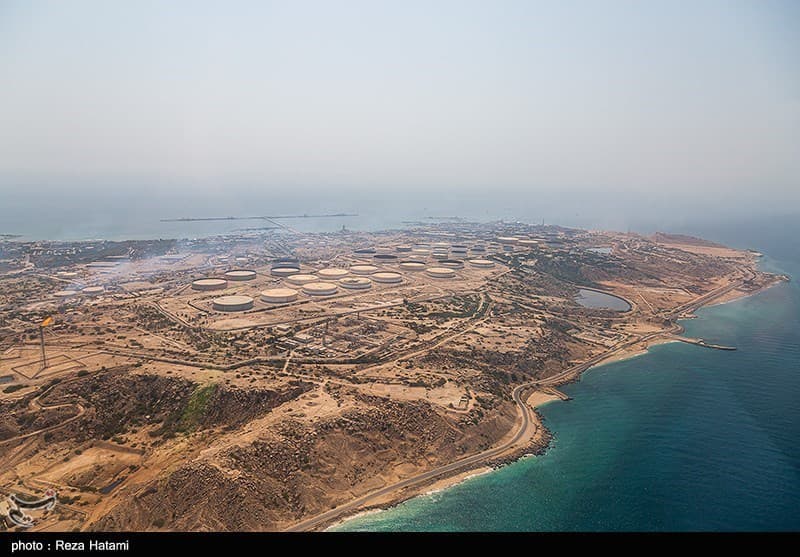
Trump threatens to seize Iran's Kharg Island oil hub
U.S. President Donald Trump said on 11 June 2026 that American forces would hit Iran again and could seize Kharg Island, the Gulf terminal through which the Euronews lead and other reports identify most Iranian crude exports as moving. The statement turns a military exchange into a direct threat against energy infrastructure, even if it remains unclear whether Washington is signalling leverage for nuclear talks or preparing an occupation. Kharg matters because it is not just another target: the U.S. Energy Information Administration identifies the nearby Strait of Hormuz as the world's most important oil transit chokepoint, and the same conflict has already pushed energy, freight and inflation risks into European policy debates. For Belgium, the story is indirect but material: households, hauliers, airlines, chemical producers and federal energy officials would feel any sustained oil-price or shipping shock through fuel bills, supply contracts and eurozone inflation pressure.
Verified by Validiris·📚 8 sources·🧠 AI-checked·🇧🇪 Belgian: MediumWhy you can trust this
Trump's America: From the First Term to Now
A living dossier on Donald Trump's political project, from the 2016 victory through the post-2020 contested period to his return to the White House in January 2025 — and the political, legal, economic and institutional consequences still unfolding.
About this story
Kharg Island (Iranian island and oil terminal in the northern Persian Gulf, about 8 kilometres long and 4 to 5 kilometres wide, as described in the Euronews lead) is Iran's main crude export hub. Donald Trump (U.S. president, in office again since January 2025) made the threat on Truth Social, according to the lead and corroborating reports. Iran (Islamic Republic in the Middle East, under heavy Western sanctions) relies on oil exports for state revenue. The Strait of Hormuz (narrow waterway between Iran and Oman) is identified by the U.S. Energy Information Administration as the world's most important oil transit chokepoint. United States Central Command (U.S. military command responsible for the Middle East) has been cited in reports on earlier Kharg strikes and blockade operations. The European Central Bank (eurozone central bank based in Frankfurt) is relevant because energy shocks feed directly into euro-area inflation and interest-rate decisions.
How to read this story
The history
Kharg has been a pressure point before. During the 1980-1988 Iran-Iraq War, Iraqi forces repeatedly attacked Iranian oil export facilities, including Kharg, to weaken Tehran's war finances. In 2024, Iran's seizure of the MSC Aries near the Strait of Hormuz showed how Gulf maritime incidents can quickly become global shipping stories. In March 2026, reports citing U.S. Central Command said U.S. strikes hit military targets on Kharg while avoiding oil infrastructure. Trump's 11 June statement is therefore a shift from coercion around the island to a possible claim of physical control.
The geopolitics
The threat turns the U.S.-Iran confrontation from strikes and blockade pressure toward possible control of a sovereign state's export infrastructure. That raises questions of escalation management, Chinese energy interests, Gulf security guarantees and whether energy assets are becoming explicit bargaining chips in nuclear and maritime negotiations.
Why now
The statement followed renewed U.S.-Iran strikes and fresh tension around the Strait of Hormuz on 10-11 June 2026. Trump used the moment to signal that Washington may move beyond military targets and threaten Iran's oil-export lifeline directly.
What to watch
Watch for U.S. Central Command orders or imagery, Iranian military statements, tanker departures from Kharg, war-risk insurance rates, Brent crude moves, and any emergency EU, NATO or G7 consultations. A real seizure would likely be visible first through naval positioning and shipping warnings.
Regional impact
The effect splits mainly between EU and Belgian federal levels. EU institutions would handle sanctions, maritime-security diplomacy, energy coordination and eurozone inflation spillovers, while Belgium's federal government would face fuel-price monitoring, strategic-stock questions and any NATO or EU consultations hosted in Brussels. Flanders is more exposed through the Port of Antwerp-Bruges and petrochemicals; Wallonia through industrial energy users and road freight; Brussels through EU/NATO diplomacy and consumer fuel costs. No Belgian region is the primary actor, but exposure differs by sector.
Local impact
The most local Belgian exposure is in Antwerp's port and petrochemical cluster, where crude, refined products, chemicals, shipping insurance and freight rates are closely linked to global energy markets. A sustained Gulf disruption would also reach Belgian road transport firms through diesel costs and Brussels consumers through petrol and heating-related inflation.
International angle
This is primarily an international war-and-energy story. The EU enters through energy security, sanctions diplomacy, maritime risk and eurozone inflation, while Belgium enters as an exposed importer and host country for NATO and EU consultations. Asian buyers matter because much Iranian crude moving through Kharg is directed toward Asian markets.
What this means for you
Belgian readers do not need to react to one statement, but fuel-sensitive households and firms should expect price volatility if the conflict escalates. Logistics companies, airlines, manufacturers and public buyers may need to review fuel clauses, delivery buffers and insurance exposure while EU and Belgian authorities assess strategic-stock and inflation risks.
What happens next
The next step is whether Washington treats Trump's statement as a negotiating threat or converts it into military orders. U.S. and Iranian military statements, tanker movements around Kharg and Hormuz, and any emergency EU or G7 energy consultations will matter more than rhetoric alone. If strikes continue, markets are likely to price the risk before any physical seizure occurs.
Potential consequences
A U.S. move against Kharg could reduce Iranian export capacity, trigger Iranian retaliation against Gulf shipping or energy sites, and lift insurance and freight costs even without a long occupation. For Belgium and the EU, the plausible second-order effects are higher fuel prices, renewed inflation pressure, tighter monetary policy, more expensive logistics and sharper debate over strategic reserves and energy diversification. These outcomes remain contingent on actual military action and tanker flows.
Opposing perspectives
- Trump administration
The Trump administration frame is coercive leverage: military pressure on Kharg and other oil sites is presented as a way to force Tehran back toward nuclear and maritime concessions. That view treats energy infrastructure as the regime's financial centre of gravity and assumes escalation can be controlled.
- Iranian Foreign Ministry
Iran's Foreign Ministry frames U.S. strikes as destroying the substance of ceasefire diplomacy and turning negotiations into coercion. In that reading, threats against Kharg are not bargaining pressure but an attack on sovereignty and a reason for Tehran to keep using Hormuz as counter-leverage.
- European energy-security officials
The European energy-security frame is narrower: whether or not Washington intends to occupy Kharg, the threat itself can lift risk premiums in oil, gas, freight and insurance. For EU governments, the priority is preventing a military signal from becoming another inflation and storage crisis.
Timeline
- 1980-1988·Iraq repeatedly attacked Iranian oil export infrastructure, including Kharg, during the Iran-Iraq War.
- 2024-04-13·Iran's IRGC seized the MSC Aries near the Strait of Hormuz, underlining the waterway's maritime-risk role.
- 2026-03-13·Reports citing U.S. Central Command said U.S. strikes hit military targets on Kharg Island while avoiding oil infrastructure.
- 2026-04-08·The U.S. and Iran announced a temporary ceasefire, though shipping and diplomatic tensions persisted.
- 2026-06-11·Trump said U.S. forces would strike Iran again and could take Kharg Island.
Glossary
- Strait of Hormuz
- A narrow sea passage between Iran and Oman through which large volumes of Gulf oil and LNG normally move to world markets.
- Kharg Island
- Iran's main Persian Gulf oil export island, with storage, pipelines and loading terminals serving crude shipments.
- Energy chokepoint
- A narrow route or facility whose disruption can affect global supply, prices and shipping risk.
- European Central Bank
- The eurozone central bank that sets monetary policy affecting Belgium and other euro-area economies.
Related to this story
Live connections from the Belgium Impulse ecosystem — not recommendations.
This briefing was prepared with AI assistance and reviewed by a Belgium Impulse editor before publication. methodology.