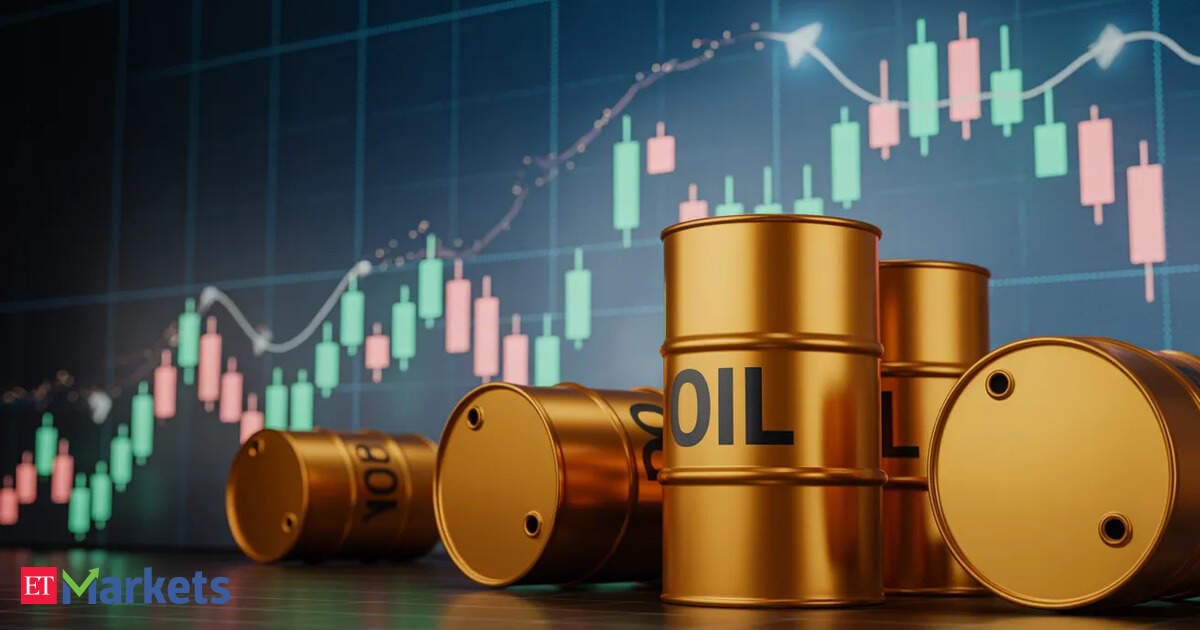
U.S. strikes Iranian targets as oil markets price Hormuz risk
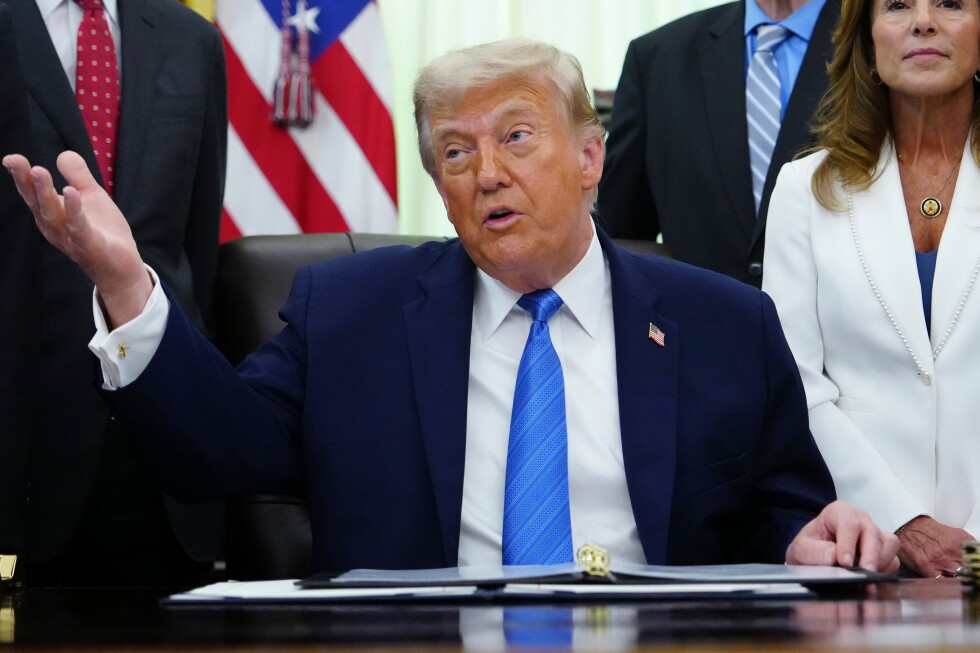
The United States and Iran have exchanged new attacks around the Strait of Hormuz, pushing crude prices higher and putting a fragile ceasefire under renewed strain. U.S. officials describe the latest strikes as a response to the downing of a U.S. helicopter near the waterway, while Iran’s Islamic Revolutionary Guard Corps says it fired missiles and drones at U.S.-linked military targets in the region. Oil markets reacted quickly: market data cited by energy reporters showed crude rising by more than $2 a barrel as traders reassessed the risk that Hormuz traffic could be further restricted. The U.S. Energy Information Administration says the strait will remain effectively closed in the near term in its June outlook, with flows not returning to pre-conflict levels until early 2027. For Belgium and the EU, the story is mainly about imported inflation, fuel costs and energy-security planning rather than direct military involvement.
Verified by Validiris·📚 9 sources·🧠 AI-checked·🇧🇪 Belgian: MediumWhy you can trust this
The Iran Conflict: Nuclear, Regional and Diplomatic
The decades-long confrontation between Iran and its adversaries — the United States, Israel, Saudi Arabia, and proxies across the region — covering the nuclear file, sanctions, the JCPOA collapse, the post-October 2023 escalation, and current diplomatic openings.
About this story
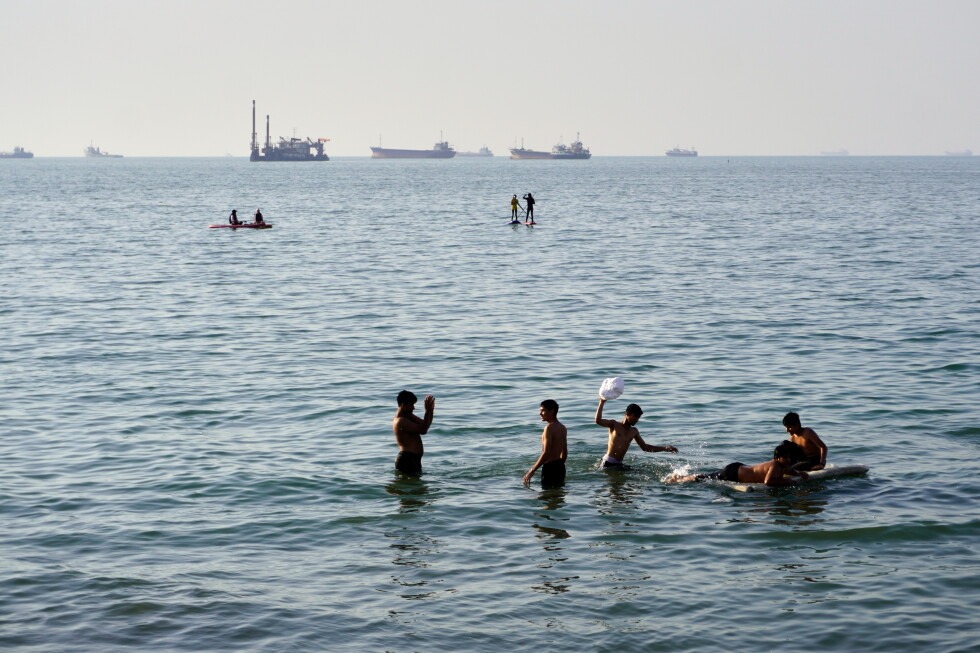
The Strait of Hormuz (narrow sea passage between Iran and Oman linking the Persian Gulf to the Gulf of Oman) is a critical route for Gulf oil and liquefied natural gas exports. Iran (Islamic republic in the Gulf region, governed by clerical and military institutions since 1979) is using the waterway as strategic leverage. The United States (NATO ally and leading military power) has forces across the Gulf and in nearby Jordan, Bahrain and Kuwait. Donald Trump (U.S. president in 2026) is directing the American response while pursuing talks with Tehran. The Islamic Revolutionary Guard Corps, or IRGC (Iran’s ideological military force, founded after the 1979 revolution), claims responsibility for Iranian regional retaliation. The U.S. Energy Information Administration, or EIA (U.S. government energy statistics agency), publishes oil-market forecasts. APETRA (Belgium’s public agency for compulsory oil stocks, created in 2007) is relevant if Belgium needs to manage supply disruption.
How to read this story
The history
The Strait of Hormuz has been a recurring flashpoint since the 1980s tanker war during the Iran-Iraq conflict, when attacks on shipping drew in U.S. naval forces. In April 1988, the United States launched Operation Praying Mantis after a U.S. frigate struck an Iranian mine. Iran again threatened the strait during the 2011-2012 sanctions dispute, and tanker seizures returned to headlines in 2019 and 2024. The 2022 Russian invasion of Ukraine showed European governments how quickly energy shocks can move from wholesale markets into household bills, industrial margins and central-bank decisions.
The geopolitics
Hormuz gives Iran leverage because a regional military exchange can become a global economic event. The United States wants to protect forces and shipping without appearing to restart a full war; Iran wants to show that pressure has costs. China, India, Japan and Europe all have reasons to avoid a prolonged closure, making the strait a test of energy interdependence and military deterrence.
Why now
The story is timely because new U.S. strikes and Iranian retaliation have followed the reported downing of a U.S. helicopter near the Strait of Hormuz. That turned a fragile ceasefire into a live market event, with oil prices moving immediately as traders reassessed supply risk.
What to watch
Watch whether U.S. strikes continue, whether Iran targets more regional bases or ships, and whether tanker transits, insurance rates and Gulf oil production deteriorate. The EIA’s next outlook and EU energy-market monitoring will show whether officials see a temporary price shock or a longer supply problem.
Regional impact
The EU level is affected through energy-security coordination, sanctions diplomacy and gas-storage planning; Belgian federal authorities are affected through fuel excise policy, compulsory oil stocks and consumer-price monitoring. Flanders would feel the clearest industrial and logistics exposure because Antwerp-Bruges is Belgium’s largest port and petrochemical hub, while Wallonia and Brussels are more directly exposed through household energy bills, commuting costs and public-service budgets. The split is economic rather than constitutional: the same oil shock lands differently across Belgium’s transport, industrial and consumer bases.
Local impact
The most concrete Belgian local exposure is Antwerp-Bruges, where port logistics, refining, petrochemicals and fuel distribution are tied to global oil and shipping costs. A sustained Hormuz disruption would not need to halt Belgian supply to matter locally: higher marine fuel, diesel, feedstock and freight costs could tighten margins for port-linked companies and hauliers.
International angle
The conflict is a global energy-security story centred on a Gulf chokepoint, U.S.-Iran coercion and the credibility of ceasefire diplomacy. Europe enters through market exposure and policy coordination rather than battlefield decisions. Brussels also matters institutionally because EU energy, sanctions and diplomatic responses are coordinated there, even when the military action is not European-led.
What this means for you
For Belgian readers, the immediate practical signal is fuel and energy-price volatility rather than shortage. Households and commuters should expect pump-price sensitivity; hauliers, farmers and SMEs should watch diesel, fertiliser and freight costs. Businesses with energy-heavy operations may need to revisit hedging, contracts and delivery timelines if the disruption persists.
What happens next
The next phase depends on whether the United States keeps the strikes short and whether Iran limits retaliation to regional military targets. Oil traders will watch actual tanker movements, insurance costs and Gulf producer output more than official statements. EU and Belgian authorities could move from monitoring to contingency planning if fuel prices, gas benchmarks or supply disruptions worsen over the coming days.
Potential consequences
If the exchange remains limited, the main effect could be a risk premium in oil and gas prices. If the strait becomes harder to transit, Belgium could see higher pump prices, more expensive freight, pressure on fertiliser and chemicals, and renewed inflation concerns. A prolonged shock could complicate European Central Bank rate decisions and force EU governments to revisit energy-support tools, although weaker demand could soften the price spike.
Opposing perspectives
- U.S. administration
U.S. officials frame the strikes as limited retaliation and coercive leverage: the aim is to protect forces and shipping near Hormuz while keeping negotiations formally alive. That view treats military pressure as a way to reduce Iran’s control over the waterway and reassure insurers, shippers and oil markets.
- Iranian government / IRGC
Iran’s side presents its missile and drone attacks as retaliation against repeated U.S. breaches of the ceasefire. Iran’s UN ambassador argues that a sustainable deal cannot be reached through threats or force, so pressure around Hormuz is framed as deterrence rather than escalation for its own sake.
- Energy-market analysts
Energy analysts focus less on military messaging and more on physical flows. Their strongest argument is that even limited exchanges can raise prices if shipowners, insurers or Gulf producers judge the strait unsafe, because market confidence depends on reliable transit rather than formal declarations.
- EU energy-security policymakers
EU energy-security officials would read the crisis as a stress test for Europe’s post-2022 resilience. The key concern is not direct dependence on Iranian oil, but whether global LNG, diesel, fertiliser and shipping costs transmit another inflation shock into European households and industry.
Timeline
- 1988-04-18·The United States launched Operation Praying Mantis after a U.S. warship hit an Iranian mine in the Gulf.
- 2011-12-27·Iran threatened to close the Strait of Hormuz during a sanctions dispute with Western states.
- 2024-04-13·Iranian forces seized the MSC Aries near the Gulf of Oman, reviving tanker-security concerns.
- 2026-02-28·The current Iran war and Hormuz crisis escalated after U.S.-Israeli strikes on Iran, according to later conflict reporting.
- 2026-06-10·U.S. and Iranian forces exchanged new attacks around the Gulf region, according to multiple reports.
- 2026-06-11·Oil prices rose as markets reacted to the latest U.S.-Iran exchange and renewed Hormuz risk.
Glossary
- Strait of Hormuz
- A narrow waterway between Iran and Oman connecting the Persian Gulf to the Gulf of Oman, used by major oil and LNG exporters.
- IRGC
- Iran’s Islamic Revolutionary Guard Corps, a powerful military and security organisation separate from Iran’s regular army.
- Emergency oil stocks
- Compulsory reserves of crude oil or petroleum products that EU member states must hold for supply crises under EU law.
- LNG
- Liquefied natural gas, gas cooled for shipment by tanker and then converted back into gas for use.
Related to this story
Live connections from the Belgium Impulse ecosystem — not recommendations.
This briefing was prepared with AI assistance and reviewed by a Belgium Impulse editor before publication. methodology.