
Trump signs Iran memorandum as Republican senators attack concessions
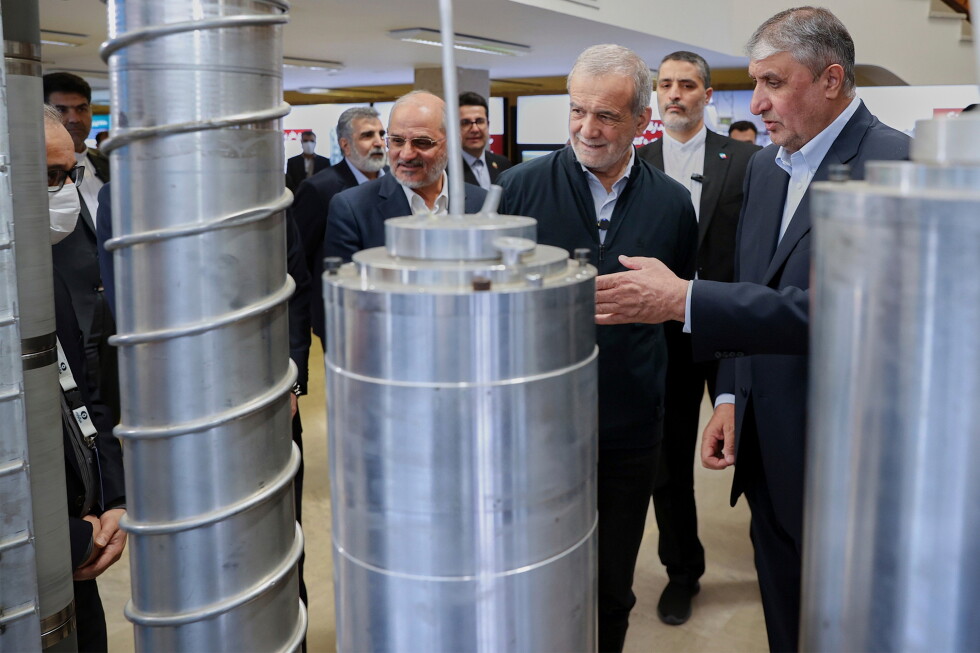
Donald Trump has signed an interim memorandum with Iran that U.S., Iranian and Pakistani officials describe as taking immediate effect, opening a 60-day negotiating window on Iran’s nuclear programme, sanctions relief and the Strait of Hormuz. Pakistani Prime Minister Shehbaz Sharif said the deal was mediated with Islamabad’s help; the draft terms described by officials would halt hostilities, reopen the strait, allow Iranian oil sales under waivers, and put Iran’s highly enriched uranium under International Atomic Energy Agency monitoring for down-blending. The political shock is in Washington: Republican senators including Bill Cassidy, Ted Cruz and Thom Tillis have attacked the concessions, while Lindsey Graham shifted toward support after speaking with U.S. envoy Steve Witkoff. For Europe and Belgium, the centre of gravity is energy and security: a durable reopening of Hormuz could ease fuel, freight and inflation pressure, but the nuclear and verification questions remain unresolved.
Verified by Validiris·📚 5 sources·🧠 AI-checked·🇧🇪 Belgian: MediumWhy you can trust this
Trump's America: From the First Term to Now
A living dossier on Donald Trump's political project, from the 2016 victory through the post-2020 contested period to his return to the White House in January 2025 — and the political, legal, economic and institutional consequences still unfolding.
About this story
Masoud Pezeshkian (Iran’s president since 2024) signed for Tehran. Shehbaz Sharif (Pakistan’s prime minister, serving again from 2024) acted as mediator. The Strait of Hormuz (narrow Gulf shipping route between Iran and Oman) is a critical passage for traded oil and liquefied natural gas. The International Atomic Energy Agency (UN nuclear watchdog based in Vienna, founded in 1957) verifies civilian nuclear programmes. The Joint Comprehensive Plan of Action (2015 Iran nuclear deal) was the Obama-era accord Trump left in 2018. Bill Cassidy, Ted Cruz, Lindsey Graham and Thom Tillis (Republican U.S. senators) represent different hawkish and pragmatic reactions inside Trump’s party. Steve Witkoff (U.S. special envoy in the Trump administration) has been involved in talks. Emmanuel Macron (French president since 2017) hosted Trump at Versailles, the former French royal palace near Paris. Hezbollah (Iran-backed Lebanese armed movement and political party) makes Lebanon part of the ceasefire equation.
How to read this story
The history
The IAEA says Iran was found in non-compliance with safeguards in June 2025, after years of dispute over undeclared nuclear material and access. Trump withdrew the United States from the 2015 JCPOA on May 8, 2018, arguing it was too weak; the EU then tried to preserve the agreement and shield European companies from U.S. secondary sanctions. The current memorandum reverses some of Trump’s earlier demands by accepting a staged negotiation rather than immediate dismantlement. The U.S. and Israel began the 2026 war on February 28, and the Hormuz closure turned the nuclear confrontation into a global energy-security crisis.
The geopolitics
The memorandum shows how Iran converted asymmetric leverage over Hormuz into negotiating power after a war launched around nuclear and regional-security aims. It also tests Trump’s alliance management: Europe wants de-escalation and energy stability, Israel wants durable limits on Iran, and Republican hawks in Washington fear Tehran has learned that maritime coercion pays.
Why now
The story is timely because the memorandum has now been signed and described by officials, triggering the 60-day negotiation clock and immediate political backlash inside Trump’s own party. The Hormuz reopening provisions make the deal economically urgent, not just diplomatically symbolic.
What to watch
Watch for publication of a full agreed text, IAEA access arrangements, shipping volumes through Hormuz, Israeli military moves in Lebanon, and any Senate or House effort to challenge sanctions relief. The approximate 60-day deadline in mid-August is the key diplomatic marker.
Local impact
The most local Belgian effect is on transport and energy-facing businesses around the Port of Antwerp-Bruges and Brussels Airport, where fuel costs, shipping insurance and delivery schedules can move quickly when Gulf routes are disrupted. Belgian households would mainly feel the story through petrol, heating, airfares and imported-goods prices rather than direct security exposure.
International angle
The deal sits at the intersection of U.S.-Iran diplomacy, Israeli security policy, Lebanese sovereignty and European energy stability. For the EU, the immediate question is whether Washington’s sanctions waivers align with European policy and whether the IAEA can regain enough access to make any nuclear settlement credible to member states.
What this means for you
For Belgian readers, nothing changes instantly at the pump or on invoices unless shipping normalises and markets believe the deal will hold. Businesses with fuel, freight or Gulf exposure should expect volatility until insurers, tanker operators and the IAEA can verify implementation. Policy readers should watch EU sanctions alignment closely.
What happens next
The memorandum starts a 60-day period in which negotiators are expected to seek a final nuclear and sanctions deal. The immediate signals to watch are whether commercial shipping through Hormuz resumes without tolls, whether the IAEA can monitor down-blending, whether Iran and the United States publish compatible texts, and whether Israel accepts the Lebanon-related provisions in practice.
Potential consequences
If implemented, the memorandum could lower oil, gas, freight and food-price pressure and give central banks more confidence that the energy shock is fading. If it fails, Iran may retain leverage over Hormuz while sanctions relief becomes politically toxic in Washington. A weak verification process could also intensify Israeli objections, complicate EU sanctions coordination and leave Belgium exposed to renewed energy volatility without a clear diplomatic fallback.
Opposing perspectives
- Trump administration / U.S. negotiators
The Trump administration frames the memorandum as a pragmatic ceasefire that can reopen the Strait of Hormuz, stop hostilities and test whether Iran will accept verifiable nuclear limits. Trump’s own warning that attacks could resume is central to this frame: diplomacy is presented as reversible pressure, not trust.
- Republican hawks in the U.S. Senate
Bill Cassidy, Ted Cruz and Thom Tillis argue that the concessions described in the memorandum reward coercion, weaken U.S. leverage and leave Iran’s nuclear and regional capabilities insufficiently constrained. Their strongest case is that sanctions relief and reconstruction finance arrive before a final verified settlement.
- Lindsey Graham / conditional Republican supporters
Lindsey Graham’s later position is that signing the memorandum can be justified if it opens Hormuz and stops fighting while preserving a chance to negotiate a stricter nuclear deal. This view does not claim the final agreement is acceptable; it treats the interim step as a lower-risk pause.
- Energy-security constituency in Europe
European energy and transport stakeholders would see the memorandum less as a concession ledger than as a route to restoring shipping predictability. Their strongest argument is that keeping Hormuz unstable imposes costs on consumers, airlines, freight operators and central banks far beyond Washington’s partisan fight.
Timeline
- 2015-07-14·Iran and major powers agreed the JCPOA nuclear deal.
- 2018-05-08·Trump withdrew the United States from the JCPOA.
- 2025-06-12·The IAEA found Iran in non-compliance with safeguards obligations.
- 2026-02-28·The United States and Israel began the 2026 war with Iran, according to the sources consulted.
- 2026-06-17·Trump and Pezeshkian signed the interim memorandum, according to officials describing the deal.
- 2026-08-16·The 60-day negotiation window would roughly expire if counted from June 17, 2026.
Glossary
- IAEA
- The International Atomic Energy Agency, the UN-linked nuclear watchdog that verifies civilian nuclear programmes and safeguards obligations.
- JCPOA
- The 2015 Iran nuclear deal between Iran and major powers, limiting Iran’s nuclear activities in exchange for sanctions relief.
- Sanctions waiver
- A temporary legal permission that allows activity otherwise restricted by sanctions, without permanently removing the sanctions regime.
- Down-blending
- A nuclear process that reduces the enrichment level of uranium by mixing it with lower-enriched or natural uranium.
Related to this story

Live connections from the Belgium Impulse ecosystem — not recommendations.
This briefing was prepared with AI assistance and reviewed by a Belgium Impulse editor before publication. methodology.