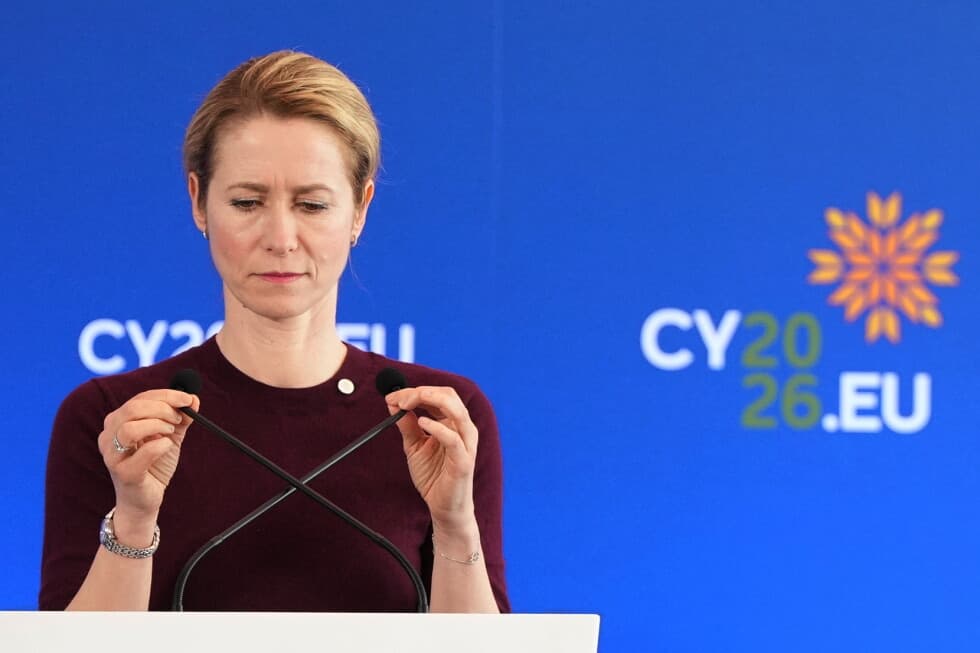
Iran and US narrow terms for ceasefire deal
Iran and the United States are signalling that a ceasefire and regional de-escalation deal is close, but not signed. Iranian foreign minister Abbas Araghchi said the agreement has “never been closer”, while US President Donald Trump said the signals from Tehran were positive. The draft under discussion is reported to extend the ceasefire, ease pressure around the Strait of Hormuz, reopen space for nuclear talks and phase sanctions relief against Iranian compliance. The unresolved point is the same one that has repeatedly broken Iran diplomacy: what Tehran must do first on nuclear material, maritime security and regional armed groups, and what Washington will guarantee in return. For Belgium and the EU, the direct issue is not symbolism but exposure: energy prices, shipping insurance, EU naval planning and Brussels-based diplomacy all depend on whether the Gulf route stabilises or the talks collapse.
Verified by Validiris·📚 8 sources·🧠 AI-checked·🇧🇪 Belgian: MediumWhy you can trust this
Trump's America: From the First Term to Now
A living dossier on Donald Trump's political project, from the 2016 victory through the post-2020 contested period to his return to the White House in January 2025 — and the political, legal, economic and institutional consequences still unfolding.
About this story
Abbas Araghchi (Iranian foreign minister and senior nuclear negotiator) is Tehran’s public face in the latest contacts with Washington. Donald Trump (US president, returned to office in 2025) is driving the American negotiating line. The Strait of Hormuz (narrow Gulf waterway between Iran, Oman and the United Arab Emirates) is a core route for oil and liquefied natural gas. EUNAVFOR Aspides (EU maritime security mission launched in February 2024) was created to protect commercial shipping around the Red Sea and nearby maritime corridors. Kaja Kallas (EU foreign policy chief since 2024) leads the EU’s external response. The Joint Comprehensive Plan of Action (2015 Iran nuclear agreement) is the earlier nuclear deal that the United States left in 2018. Pakistan and Switzerland (mediating states in the current diplomacy) are being used as channels because Washington and Tehran do not have normal direct relations.
How to read this story
The history
The current bargaining echoes the 2015 Joint Comprehensive Plan of Action, which limited Iran’s nuclear programme in exchange for sanctions relief before the United States withdrew in 2018. The Council of the EU says EUNAVFOR Aspides was launched in February 2024 to protect freedom of navigation after attacks on shipping in the Red Sea. The 2025 Israel-Iran war and later US-Iran escalation widened the problem from nuclear diplomacy to shipping security. Earlier Gulf crises, including the 1980s tanker war, showed that maritime insurance, naval escorts and oil prices can become diplomatic tools as quickly as military ones.
The geopolitics
The broader issue is whether coercive pressure can produce a durable settlement with Iran or only a pause. Hormuz gives Tehran leverage over global energy markets, while Washington’s sanctions and naval power give it leverage over Iran’s economy. Europe’s role is constrained by dependence on US security choices and exposure to energy shocks.
Why now
The story is timely because both Washington and Tehran publicly shifted from confrontation to near-agreement language on 12-13 June 2026, while the draft remains unsigned and Gulf shipping conditions remain economically sensitive.
What to watch
Watch for a signed memorandum, public confirmation of sequencing, any Iranian statement on nuclear material, US sanctions-relief steps, and EU signals on whether Aspides or a parallel European mission will support post-ceasefire navigation.
Regional impact
The effect splits between Belgian federal and EU levels rather than Belgian regions. The federal government would face fuel-price, security and consular implications if Gulf instability persists. The EU level is more directly engaged because the Council of the EU created EUNAVFOR Aspides as a maritime-security mission and EU foreign policy institutions in Brussels would help shape sanctions, shipping and nuclear diplomacy. Flanders, Wallonia and Brussels would feel economic consequences through consumers, logistics and businesses, but the policy levers sit mainly with federal Belgium and the EU.
Local impact
The most local Belgian effect is on energy-sensitive sectors around Antwerp-Bruges and the wider logistics chain: port operators, hauliers, petrochemical firms, airlines and import-dependent SMEs feel Gulf risk through freight rates, bunker fuel, insurance and inventory costs rather than through a direct Belgian security role.
International angle
This is primarily a US-Iran war and diplomacy story, but the European dimension is concrete. EU institutions in Brussels must align sanctions policy, nuclear diplomacy and maritime-security planning, while member states weigh whether defensive naval assets should help secure Gulf shipping if a ceasefire creates an opening.
What this means for you
Belgian readers should expect continued fuel and freight volatility until a signed deal and verifiable Hormuz reopening are in place. Businesses with Gulf-linked shipping or energy exposure may need to keep contingency pricing, insurance and delivery buffers active rather than treating the diplomatic signals as a settled outcome.
What happens next
The next step is either publication or confirmation of a formal memorandum, or another round of mediated clarification. Washington and Tehran are expected to keep testing sequencing: Iranian compliance on nuclear and maritime questions, US sanctions relief and guarantees, and the role of regional files such as Lebanon. EU officials will watch whether any deal requires European naval or monitoring support.
Potential consequences
A signed deal could lower oil-risk premiums, reduce shipping insurance pressure and give EU diplomats space to revive nuclear monitoring. A vague or contested text could do the opposite by encouraging each side to claim victory while implementation stalls. If Hormuz remains only partly usable, Belgian transport, aviation, petrochemicals and consumers could still face volatile prices even without a renewed military escalation.
Opposing perspectives
- Iranian government
The Iranian government’s strongest case is that any deal must recognise Iranian sovereignty and sequence relief before irreversible concessions. Abbas Araghchi’s public line presents the draft as close but unfinished, implying Tehran wants sanctions relief, maritime normalisation and guarantees without accepting a settlement framed as capitulation.
- US administration
The US administration’s strongest case is that pressure has forced a practical bargain: Iran would first demonstrate compliance on security and nuclear issues, while Washington would then phase in relief. Trump’s public comments frame the talks as a chance to end hostilities while preserving leverage.
- EU maritime-security policymakers
EU maritime-security policymakers would frame the deal less as a bilateral trophy than as a test of whether commercial navigation can be stabilised under verifiable conditions. The Council-created Aspides framework gives Europe a defensive maritime tool, but AP reporting on EU vessel needs points to limited capacity if the Gulf remains tense.
Timeline
- 2015-07-14·Iran and world powers concluded the Joint Comprehensive Plan of Action.
- 2018-05-08·The United States withdrew from the JCPOA under President Donald Trump.
- 2024-02-19·The Council of the EU launched EUNAVFOR Aspides to protect freedom of navigation.
- 2026-06-12·Abbas Araghchi said a US-Iran deal had never been closer.
- 2026-06-13·The lead live blog framed the deal as within reach but not signed.
Glossary
- EUNAVFOR Aspides
- An EU naval mission launched in 2024 to protect commercial shipping and maritime awareness around the Red Sea and nearby sea lanes.
- JCPOA
- The 2015 Iran nuclear agreement that limited Iran’s nuclear programme in exchange for sanctions relief before the US withdrew in 2018.
- Strait of Hormuz
- A narrow Gulf waterway between Iran and Oman that is central to global oil and liquefied natural gas shipping.
Related to this story
Live connections from the Belgium Impulse ecosystem — not recommendations.
This briefing was prepared with AI assistance and reviewed by a Belgium Impulse editor before publication. methodology.