
 What's On
 Expat
EU BUDGET · Reporting
António Costa proposes digital levy for 2028-2034 EU budget, France rejects plan
The European Council president wants a long-term EU budget 10.2% smaller than the Commission's initial plan, partly funded by new own resources. Paris says the proposal is not a basis for agreement.
Published: · Content updated:
Based on: La Libre Belgique
Saved articles and followed stories stay in this browser. No account sync or notifications.
In 30 seconds
European Council President António Costa has proposed a leaner 2028-2034 EU budget partly funded by a digital levy on large multinationals, but France rejected it over farm funding.
- Costa's envelope is 10.2% below the European Commission's initial proposal.
- He retains five own resources worth around 60 billion euros a year: electronic waste, tobacco, ETS carbon allowances, the carbon border tax and a digital tax.
- The digital levy would be 3% of net turnover from online advertising, intermediation and data for multinationals above 750 million euros in global revenue and 50 million euros in the EU.
- National contributions would rise from 0.80% to 0.82% of gross national income, a level Costa calls reasonable.
Sources: La Libre Belgique
What it means
What’s at stake
At stake is how the EU pays for its 2028-2034 priorities while starting to repay NextGenerationEU debt. For member state treasuries, the question is how far national contributions rise; Costa proposes 0.82% of gross national income. Farmers stand to be affected by the level of Common Agricultural Policy income support, France's main objection, and poorer regions by cohesion funding. Large digital multinationals would face a new 3% levy if the digital tax is retained.
Sources: La Libre Belgique
What happens next
The Twenty-Seven will meet in Brussels on Thursday and Friday to try to narrow their differences. Costa hopes they can agree on the framework before the end of the year. Whether the proposal will be amended to address French demands on the Common Agricultural Policy, and how other capitals, including Belgium, view it, is not known from the available sources.
Sources: La Libre Belgique
Context
Background
The EU's long-term budget, the multiannual financial framework, is proposed by the European Commission and laid down in a Council regulation adopted unanimously with the consent of the European Parliament. For the 2028-2034 period, the Commission first tabled its own proposal, including five new own resources, and the Parliament suggested three more, according to La Libre Belgique. Costa's revised plan trims the Commission's envelope by 10.2%. A further pressure comes from the post-Covid NextGenerationEU borrowing: repayment of its capital is due to start in 2028, which increases the effort member states must make and explains the search for new EU revenue to limit national contributions.
Sources: La Libre Belgique · Wikipedia: Multiannual Financial Framework (Background reference)
The wider picture
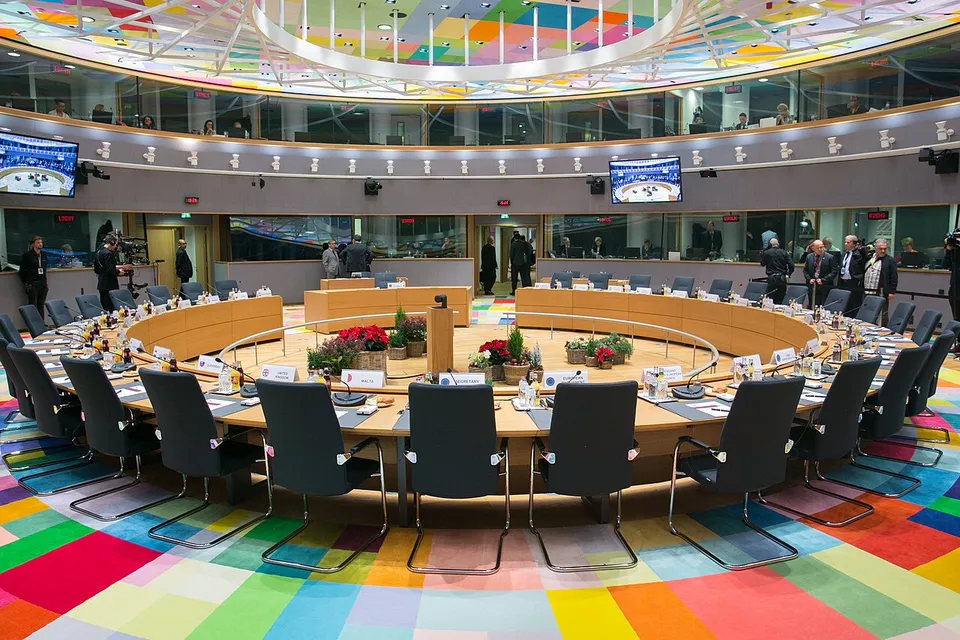
Budget talks run through the European Council, which brings together the heads of state or government of the member states, its president and the Commission president, and sets the EU's overall political direction. According to La Libre Belgique, the negotiation pits governments defending budgetary frugality against countries keen to protect cohesion funding, meant to help regions catch up socio-economically, and agricultural aid. Because the framework requires unanimity in the Council, an objection from a single large member state such as France carries weight.
Sources: La Libre Belgique · Wikipedia: European Council (Background reference) · Wikipedia: Multiannual Financial Framework (Background reference)
Why now
Costa has put a new negotiating box on the table ahead of a meeting of the Twenty-Seven in Brussels on Thursday and Friday, and France rejected it on Saturday 21 November 2026, saying it does not constitute a basis for agreement.
Sources: La Libre Belgique
How we got here
The European Council is established as an informal summit.
The European Council becomes a formal institution with the entry into force of the Treaty of Lisbon.
António Costa succeeds Charles Michel as president of the European Council.
France rejects Costa's new proposal for the 2028-2034 EU budget.
Repayment of the capital borrowed under NextGenerationEU is due to begin.
Sources: Wikipedia: European Council (Background reference) · Wikipedia: António Costa (Background reference) · La Libre Belgique
Reporting
A slimmer budget proposal
European Council President António Costa has tabled a revised proposal for the EU's 2028-2034 long-term budget that would bring the seven-year envelope down to 1582.5 billion euros in constant 2025 prices, or 1780.9 billion euros in current prices, which factor in inflation, La Libre Belgique reported. That is 10.2% less than the European Commission's initial proposal. On Saturday, France rejected the plan, with the Elysée saying that, as it stands, it does not provide a basis for an agreement.
Reporting
New revenue, including a digital tax
To limit increases in national contributions, Costa's draft leans partly on new revenue that would belong to the EU itself, known as own resources. According to La Libre Belgique, the Commission had put forward five such resources and the European Parliament three more. Costa keeps five, together worth around 60 billion euros a year: levies linked to electronic waste and tobacco, revenue from the emissions trading system, the carbon border levy, and a digital tax demanded by the European Parliament. The digital component would be a 3% charge on net turnover from online advertising, intermediation and data earned by multinationals with more than 750 million euros in global revenue and 50 million euros within the EU.
Key line
António Costa retains five own resources worth around 60 billion euros a year: electronic waste, tobacco, emissions trading, the carbon border levy and a digital tax requested by the European Parliament.
Reporting
National contributions and debt repayment
Member states' national contributions would rise from 0.80% to 0.82% of their gross national income, a level the European Council president described as reasonable, the newspaper reported. The pressure on the budget is increased by the repayment, starting in 2028, of the capital borrowed under the NextGenerationEU post-pandemic recovery scheme.
Reporting
Farm aid at the heart of the dispute
The multiannual financial framework sets the limits of EU spending for seven years and shapes funding for farmers and regions. The talks pit governments favouring budgetary frugality against those determined to protect cohesion money, meant to help poorer regions catch up, and agricultural aid. France's objection falls squarely on that fault line: the French presidency called the new negotiating box very disappointing and said it fell short, in particular on the Common Agricultural Policy and on guaranteeing income support for farmers.
Reporting
Leaders head to Brussels
Member states are due to meet in Brussels on Thursday and Friday to try to narrow their differences, and Costa hopes they can agree on the framework before the end of the year, La Libre Belgique reported. The positions of other capitals, including Belgium, on the new proposal were not reported in the available sources.
Understanding the story
What the main actors are doing
Reported positions, summarised — not direct quotations
António Costa
The European Council president has tabled a revised 2028-2034 budget, cutting the Commission's envelope by 10.2%, adding five own resources including a digital tax, and wants member states to agree before the end of the year.
Sources: La Libre Belgique
France
Through the Elysée, France rejects the proposal as it stands, arguing it falls short on the Common Agricultural Policy and on guaranteeing income support for farmers.
Sources: La Libre Belgique
Voices & reactions
Elysée
The French presidency called the new negotiating box "very disappointing" in its French-language statement, saying the numbers do not add up, especially on the Common Agricultural Policy and farmers' income support.
Sources: La Libre Belgique
Key terms
- Multiannual financial framework
- The EU's seven-year framework regulating its annual budgets, setting spending ceilings per broad policy area; proposed by the Commission and adopted unanimously by the Council with the European Parliament's consent.
- Own resources
- Revenue belonging by right to the EU itself rather than coming from national contributions; new ones are sought to moderate increases in what member states pay.
- NextGenerationEU
- The EU's large post-Covid borrowing scheme; repayment of its capital from 2028 adds to the pressure on the next long-term budget.
- Cohesion
- EU funding envelopes meant to help regions catch up socio-economically, which some member states want to protect in the budget talks.
Sources: Wikipedia: Multiannual Financial Framework (Background reference) · La Libre Belgique
People, places and institutions
- António CostaPresident of the European Council and author of the revised 2028-2034 budget proposal.
- ElyséeFrench presidency, which rejected the proposal as not a basis for agreement.
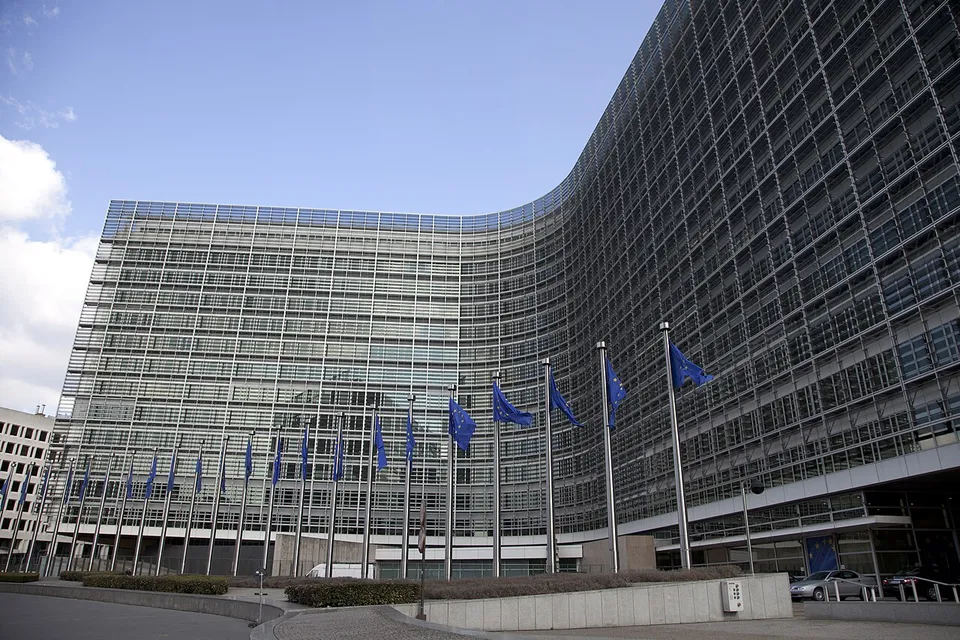
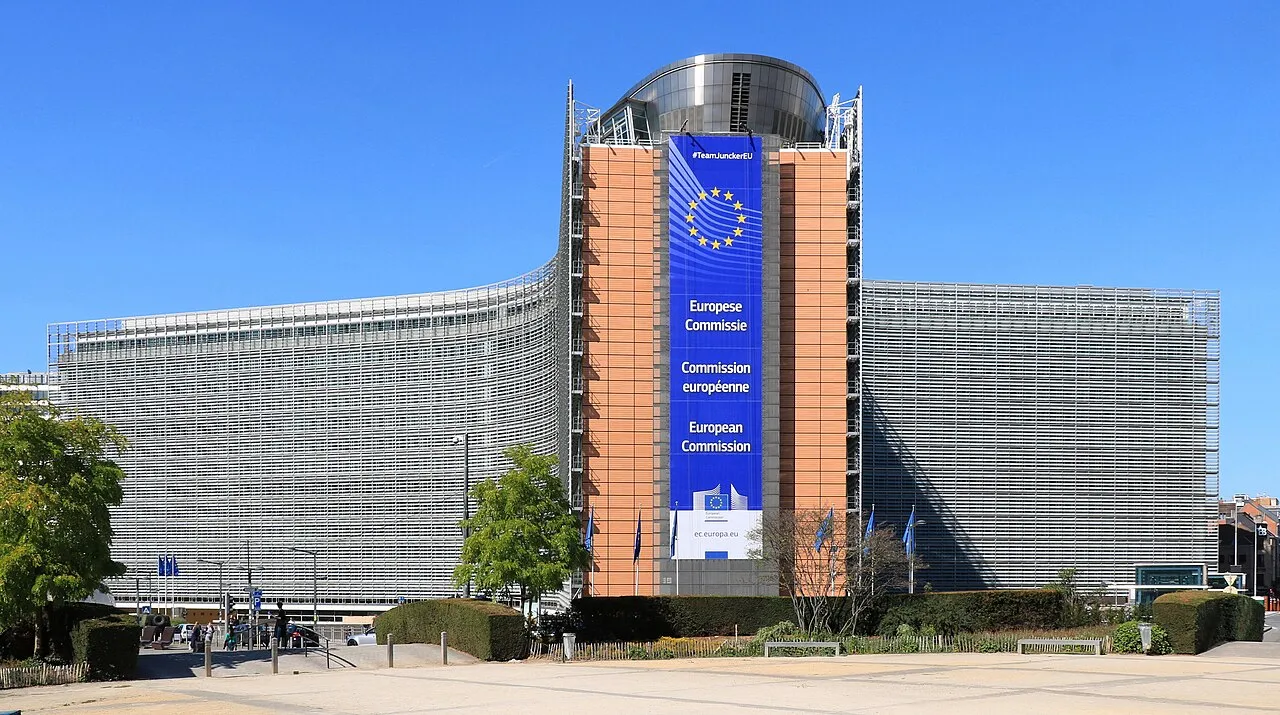
- Commission européenneEU executive that made the initial 2028-2034 budget proposal.
- Parlement européenProposed three extra own resources and demanded the digital tax; its consent is needed for the framework.
- PAC (Politique agricole commune)Farm policy at the heart of France's objection to the proposal.
- BruxellesCity where the Twenty-Seven meet on Thursday and Friday to try to narrow differences.
Sources: La Libre Belgique · Wikipedia: António Costa (Background reference) · Wikipedia: European Commission (Background reference) · Wikipedia: Multiannual Financial Framework (Background reference)
Some background items were left out because automated checks could not verify them against the sources.
People, places and organisations in this story
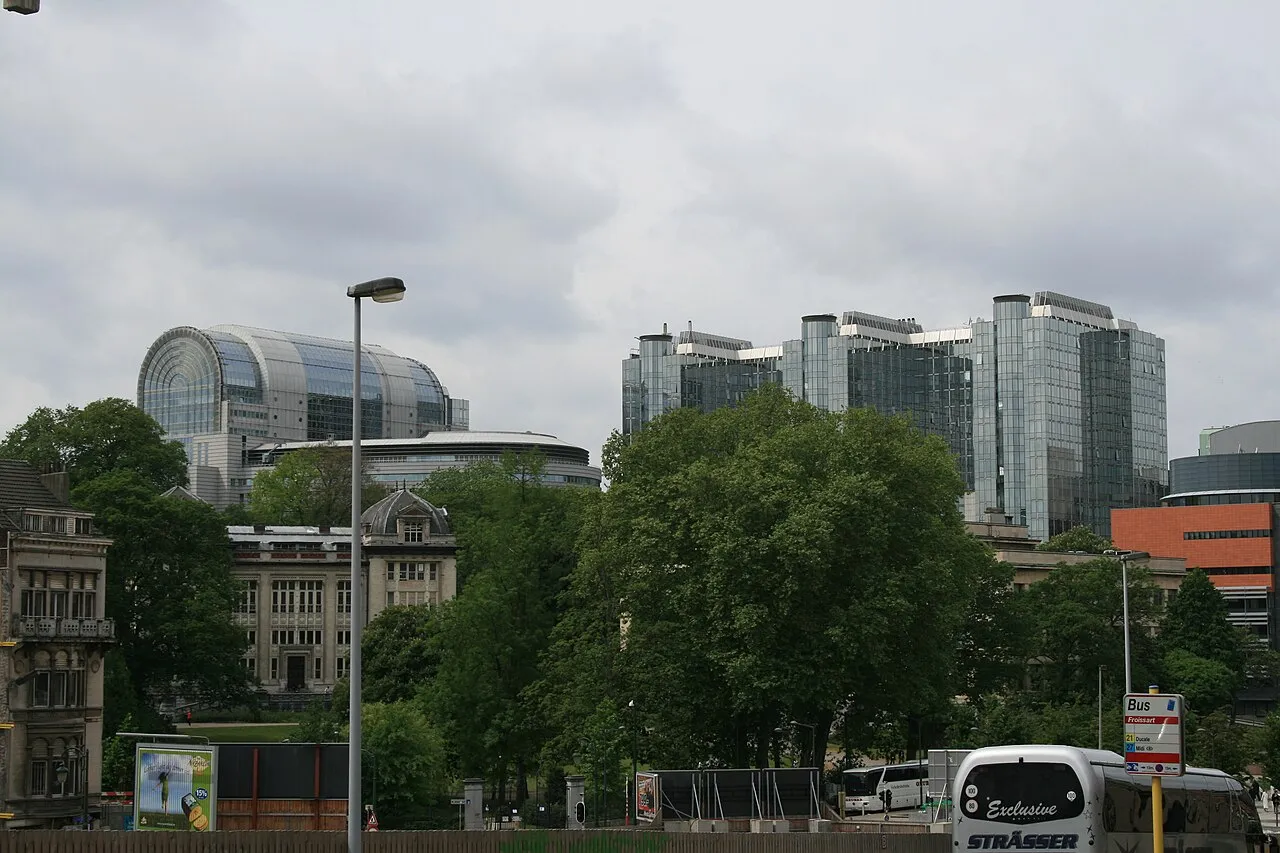
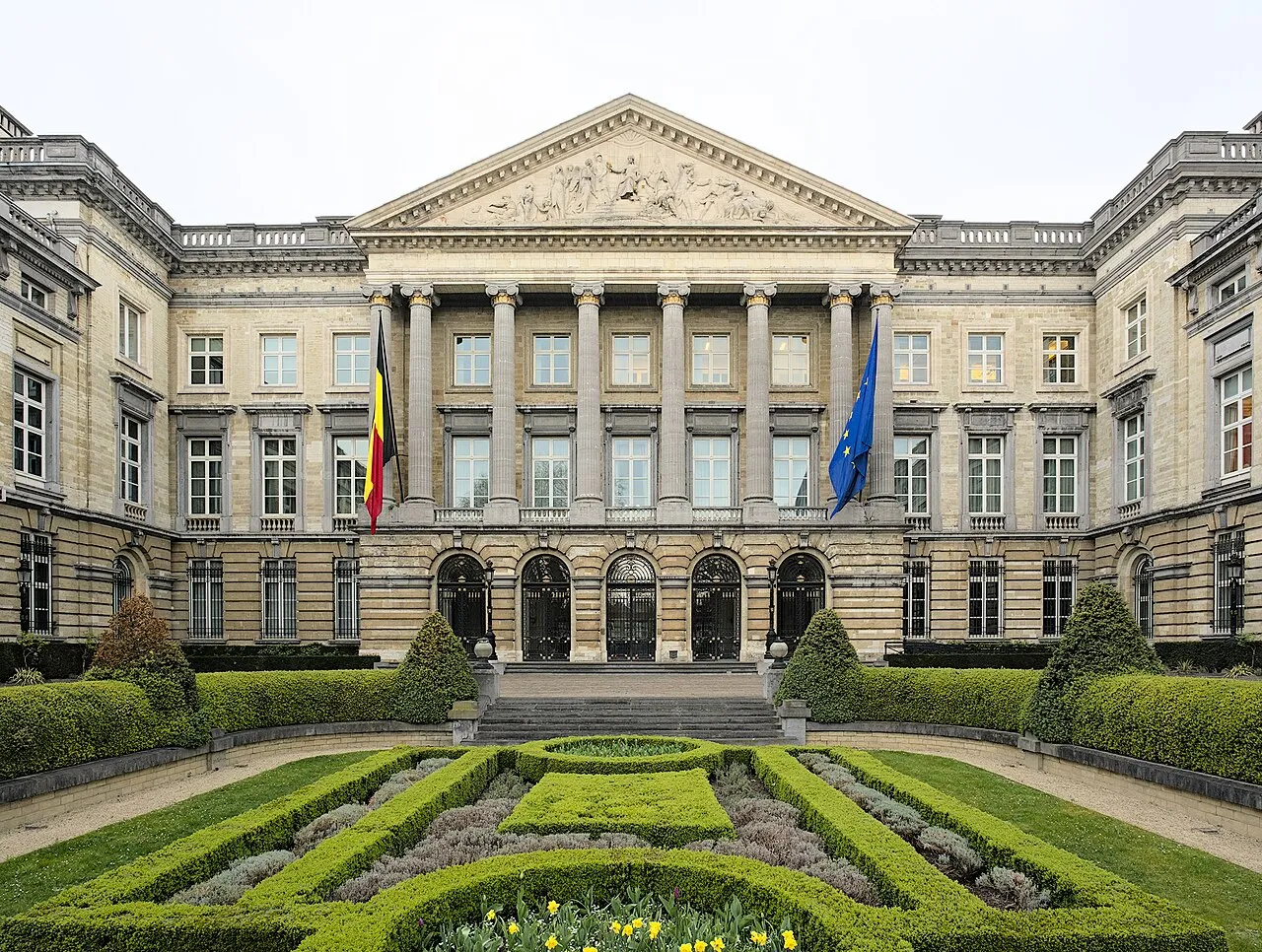
File pictures of subjects named in the article, not pictures of the events reported.
Related reading


Sources and factual attribution (1)
- António Costa veut faire contribuer les géants du numérique au budget européen, la France rejette la proposition — La Libre Belgique
Dated report by La Libre Belgique used for the facts attributed to it.
Source publication date: . Consulted: .
Supports
António Costa proposes cutting the EU's seven-year budget to 1582.5 billion euros in constant 2025 prices, or 1780.9 billion euros in current prices, 10.2% below the European Commission's initial proposal.
La Libre Belgique: António Costa veut faire contribuer les géants du numérique au budget européen, la France rejette la propositionAntónio Costa retains five own resources worth around 60 billion euros a year: electronic waste, tobacco, emissions trading, the carbon border levy and a digital tax requested by the European Parliament.
La Libre Belgique: António Costa veut faire contribuer les géants du numérique au budget européen, la France rejette la propositionThe digital tax would be a 3% levy on net turnover from online advertising, intermediation and data of multinationals with more than 750 million euros in global revenue and 50 million euros in the EU.
La Libre Belgique: António Costa veut faire contribuer les géants du numérique au budget européen, la France rejette la propositionMember states' national contributions would rise from 0.80% to 0.82% of gross national income, a level the European Council president called reasonable.
La Libre Belgique: António Costa veut faire contribuer les géants du numérique au budget européen, la France rejette la propositionFrance rejected the new 2028-2034 budget proposal on Saturday, the Elysée saying it is not a basis for an agreement and is very disappointing, particularly on the Common Agricultural Policy and farmers' income support.
La Libre Belgique: António Costa veut faire contribuer les géants du numérique au budget européen, la France rejette la propositionMember states are due to meet in Brussels on Thursday and Friday; António Costa hopes for a deal before the end of the year, while repayment from 2028 of the NextGenerationEU borrowing increases the effort required.
La Libre Belgique: António Costa veut faire contribuer les géants du numérique au budget européen, la France rejette la proposition
How this article was prepared
Revisions and corrections
No corrections recorded.
- First version · 1 —
First publication.