How did a fuel leak force flights away from Charleroi Airport?
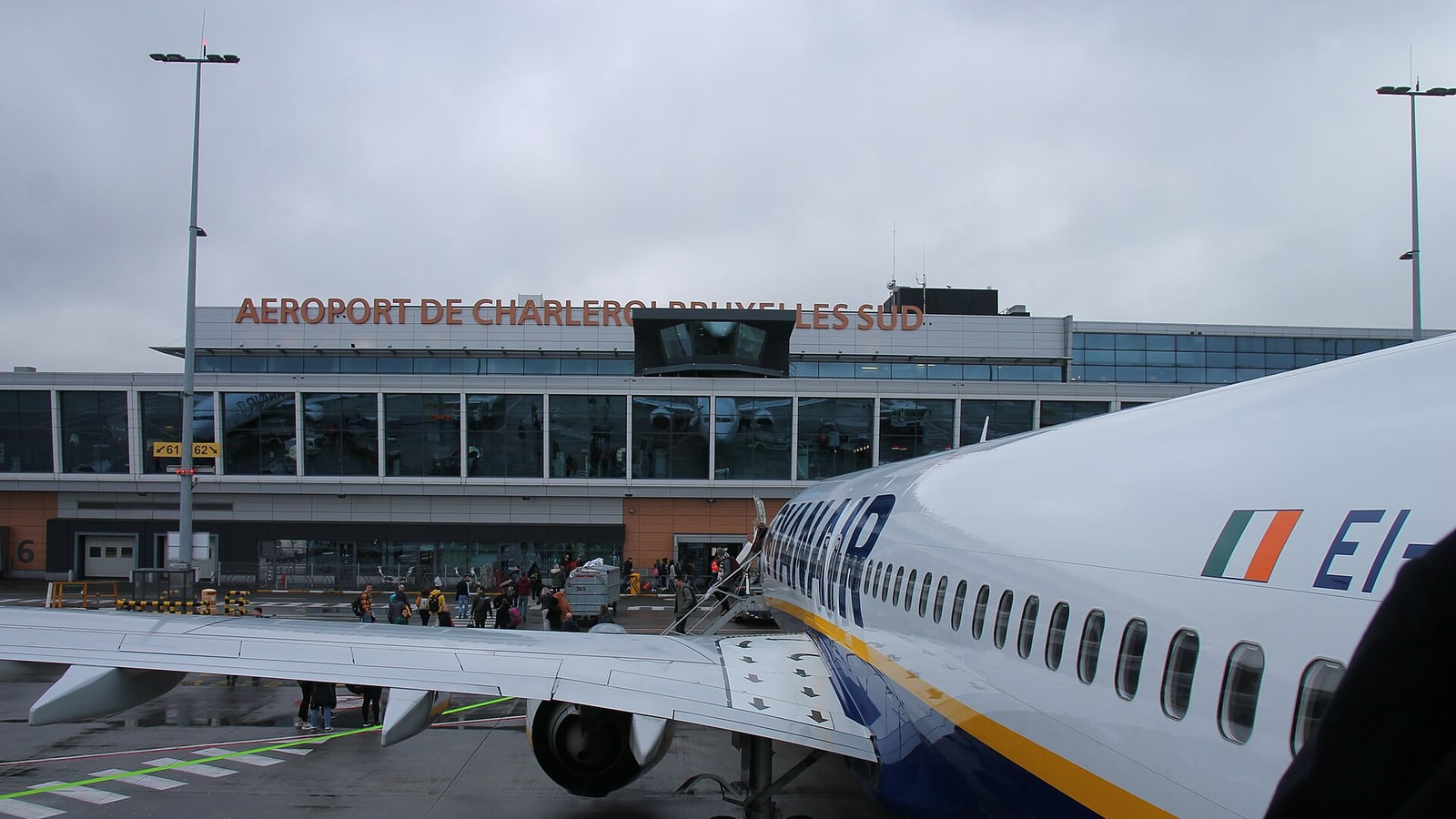
Brussels South Charleroi Airport reopened its runway on Tuesday evening, 25 August, after fuel spilled during an aircraft’s departure and forced several incoming flights to divert elsewhere in Belgium.
In 30 seconds
- The runway was unavailable from roughly 19:30 until 20:40 on 25 August.
- Reports initially cited six diversions and four aircraft holding; later reporting put the diversion total at ten.
- Ryanair and Wizz Air flights were among those affected.
- A Naples-bound Ryanair aircraft landed safely at Brussels Airport after diverting.
reopened its only runway on Tuesday evening, 25 August, after an aircraft lost fuel while taking off, forcing several inbound flights to divert and temporarily linking disruption at Wallonia’s main airport with operations at and other Belgian airfields. The runway was closed at about 19:30 for cleaning and safety checks and reopened at about 20:40, according to accounts based on information from airport spokespeople.
For Belgium-based passengers, the immediate consequence was an evening of holding patterns, diversions and uncertain onward travel. Initial reports cited six diverted flights and four aircraft waiting in the air; later reporting attributed to an airport spokesperson put the total number of diversions at ten, involving and . The discrepancy has not been publicly reconciled. No injuries were identified in the reports reviewed, and traffic resumed once the affected surface had been cleared and inspected.
One Ryanair aircraft travelling from to Naples also diverted to Brussels Airport after a technical problem. Brussels Airport spokesperson Ihsane Chioua Lekhli said the aircraft landed safely at Zaventem shortly after 20:00. It remains unclear from the available reporting whether that aircraft was the source of the fuel found on the Charleroi runway. That distinction matters: a safe diversion is a precautionary operational response, not evidence by itself of a wider emergency.
The interruption showed how quickly an incident on the piste at Charleroi can spread through Belgium’s airport network. When the runway became unavailable, crews approaching from destinations across Europe had to hold or select alternatives according to fuel reserves, weather and operational instructions. Brussels Airport in provided one diversion point, while reports also indicated that aircraft were sent to . Passengers could therefore finish a journey in a different Belgian region from the one printed on their booking.
Brussels South Charleroi Airport framed the response around restoring safe operations: the runway was cleaned, checked and returned to service after roughly 70 minutes. That is the essential operational outcome. The European Union’s passenger-rights framework, however, views the same episode from the traveller’s seat. guidance says that when an airline uses an alternative airport, it must generally bear the cost of transferring passengers to the booked airport or another nearby destination agreed with them. Eligibility for additional compensation depends on the eventual delay and whether the carrier can establish extraordinary circumstances.
The incident came shortly after work on the runway infrastructure. SOWAER, the Walloon public company responsible for regional airport infrastructure, said that 2,000 square metres of pavement had been repaired in early July at two strategic runway and taxiway intersections. The work involved SOWAER, airport operator BSCA, the Walloon public service, Colas Belgium and JDC Airports. Nothing in the available evidence connects those repairs to Tuesday’s fuel leak; the timing is relevant context, not proof of causation.
Where this is happening
View on map Brussels South Charleroi Airport →This was therefore principally a short-lived aviation-safety and passenger-disruption story, rather than a sign that Belgium’s air network had failed. It nevertheless underlined Charleroi’s vulnerability as a busy airport dependent on one operational runway. A contamination event lasting little more than an hour can displace aircraft, crews and passengers across regional boundaries and create knock-on delays long after the runway itself reopens.
Neither the Walloon government nor the federal mobility authorities had publicly announced a formal inquiry in the sources reviewed by 28 August. Ryanair, Wizz Air and BSCA had also not provided a complete public list of the affected services, their final arrival delays or the aircraft responsible for the spill. The next useful information will be technical: what caused the leak, whether maintenance action followed, how many flights ultimately diverted and how airlines transported passengers from alternative airports. Travellers affected should retain boarding passes, receipts and airline messages while asking the operating carrier for a written account of the disruption and any assistance due under EU rules.
What to do
If your flight was affected on 25 August, keep your booking confirmation, boarding pass, airline messages and receipts for reasonable meals, accommodation and transport. Ask the operating airline—not the airport—for written confirmation of the diversion, cancellation or arrival delay and for rerouting or reimbursement options. Check the European Commission’s Your Europe guidance before submitting an EU261 claim; compensation is not automatic merely because an aircraft diverted. If you landed at Zaventem or Ostend instead of Charleroi, document your actual arrival time and any instructions or ground transport provided by the airline.
The Belgian angle
The disruption began at Wallonia’s largest passenger airport but extended into Flanders when Brussels Airport received a diverted Ryanair aircraft; reporting also indicated diversions to Ostend.
EvidenceWell established · 1 primary source + 3 official documents + 2 independent reporting sourcesExplore evidence →Hide evidence ↑
- Published:
- 25 Aug 2026, 02:00
- Retrieved by ODIN:
- 28 Aug 2026
- Published:
- 25 Aug 2026, 02:00
- Retrieved by ODIN:
- 28 Aug 2026
- Published:
- 25 Aug 2026, 02:00
- Retrieved by ODIN:
- 28 Aug 2026
- Published:
- 13 Aug 2026, 02:00
- Retrieved by ODIN:
- 28 Aug 2026
- Publication date unavailable
- Retrieved by ODIN:
- 28 Aug 2026
- Published:
- 17 Feb 2004, 01:00
- Retrieved by ODIN:
- 28 Aug 2026
Voices & reactions
What the main actors are doing
Reported positions, summarised — not direct quotationsBSCA’s operational-safety perspective
Brussels South Charleroi Airport’s public framing centres on the precautionary closure, cleaning and inspection of the runway before traffic resumed. From the operator’s standpoint, the decisive fact is that the contamination was isolated and normal movements restarted after roughly 70 minutes.
European passenger-rights perspective
The European Commission’s framework centres on the traveller’s completed journey rather than the reopening of the runway. EU guidance says carriers may owe assistance and transfer costs when passengers arrive at an alternative airport, while compensation depends on the final delay and the airline’s evidence concerning extraordinary circumstances.
The story, connected
Explore the people, places and ideas in this story
Go beyond the headline. Open a card for sourced context, maps, official links and the other subjects connected to this report.
Continue reading

This story was assembled from verified evidence, with its sources and reasoning recorded as it was written.
This briefing was prepared with AI assistance and passed Belgium Impulse source, provenance and publication-quality checks. A human editorial review was recorded for this version. methodology.