What do we know about the Belgian suspects in the deadly Overasselt shooting?
A Dutch investigating judge extended another Overasselt suspect’s detention on 7 September, bringing the detained group to 33, including two Belgians, according to Gelderland court.
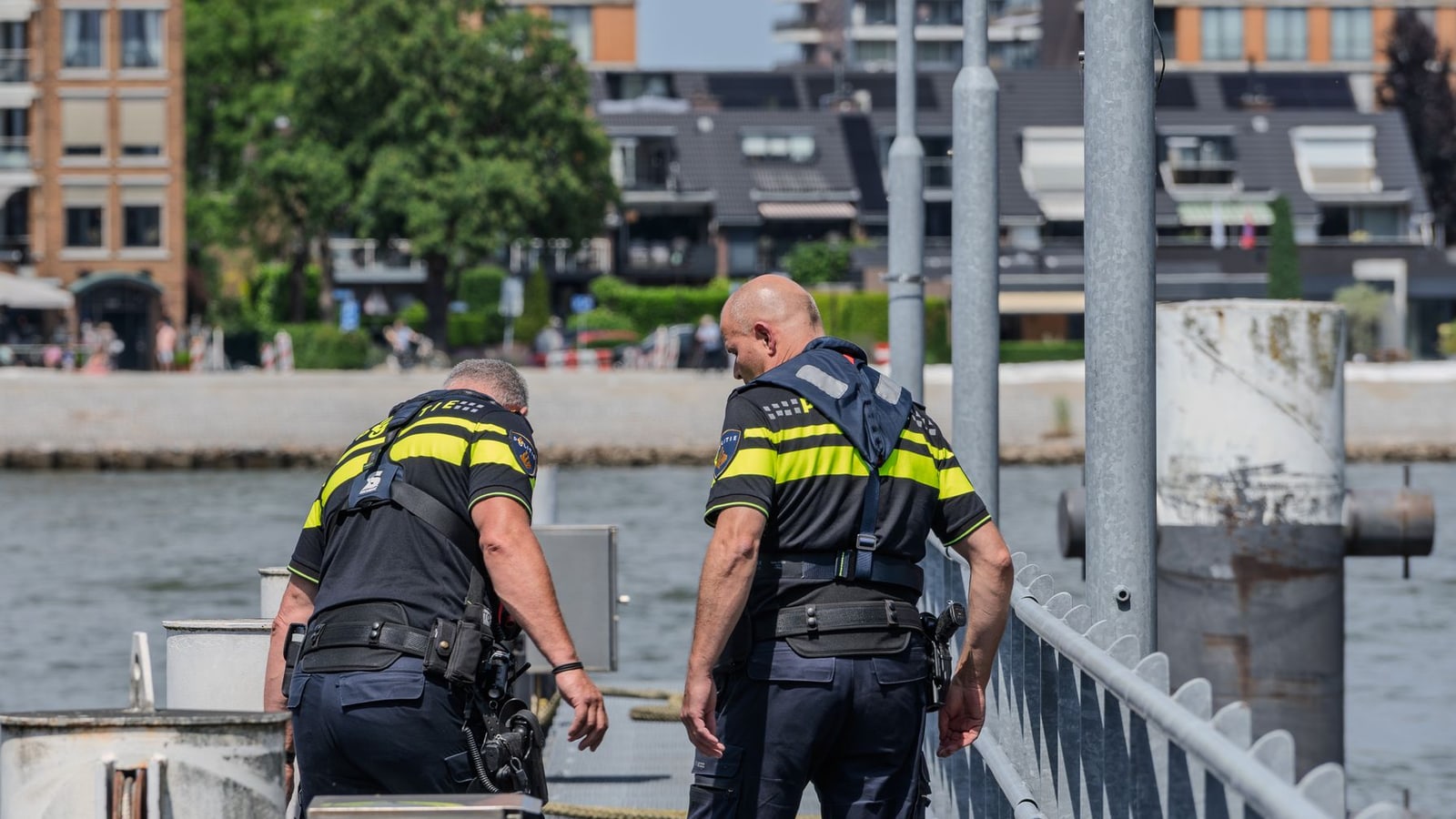
In 30 seconds
- Dutch police say the 1 September violence killed a 51-year-old man from Wijchen and injured two officers.
- Gelderland court lists two Belgians among 33 detained suspects.
- Police announced a 26-year-old Belgian’s arrest in Amsterdam on 6 September.
- Dutch police reported nine searches in the Netherlands on 3 September.
A Dutch investigating judge extended another suspect’s detention by 14 days on 7 September in the Overasselt shooting investigation, leaving 33 people in custody, including two Belgian nationals, according to Gelderland court. The decision follows Dutch police’s announcement that they arrested a 26-year-old Belgian man in Amsterdam over suspected involvement in the violence. [Gelderland court](https://www.rechtspraak.nl/bekende-rechtszaken/geweld-overasselt) lists the latest custody decisions.
The investigation concerns the killing of a security guard and the shooting of two police officers in the eastern Netherlands on 1 September. Dutch police identify the dead man as a 51-year-old from Wijchen. For readers in Belgium, the direct connection is the presence of Belgian suspects in a serious neighbouring-country investigation; the evidence published so far does not establish where they were recruited or what either man allegedly did. [Dutch police](https://www.politie.nl/nieuws/2026/september/3/02-overasselt-onderzoek-overasselt-gaat-onverminderd-door.html) say inquiries into the circumstances continue.
Belgian news agency Belga brought that national connection to French-speaking readers through L’Avenir, whose headline foregrounded “un Belge de 26 ans arrêté à Amsterdam”. Its report attributed the arrest to Dutch police and stressed that the investigation remained open. That is a significant Belgian link, but nationality cannot explain the operation’s organisation or motive. [L’Avenir’s Belga report](https://www.lavenir.net/actu/belgique/2026/09/06/fusillade-de-grande-ampleur-a-overasselt-un-belge-de-26-ans-arrete-a-amsterdam-video-EES55EAHQFCMTKOLLR3KH4XB5M/) was published on 6 September.
The scale initially drove international coverage. Associated Press described a huge manhunt and footage showing roughly 30 people, many masked and carrying weapons, before an apparent shooting. It situated Overasselt about 135 kilometres southeast of Amsterdam and reported that investigators were analysing the images. Such footage conveys the danger, but cannot by itself settle each suspect’s responsibility. [AP’s initial account](https://apnews.com/article/bdd1bdaaf5255acd5772c3d5603d61cb) also recorded that police and prosecutors declined to specify a motive.
The prosecution’s account makes that distinction explicit. When presenting 32 suspects on 4 September, the eastern Netherlands public prosecution service said it was investigating suspected joint murder or manslaughter, attempted joint murder of two officers, preparations for serious violent offences and firearm possession. It had not yet distinguished possible shooters from participants who may not have fired. Two other arrested people were released because the available evidence did not meet the stronger threshold for continued detention; they remained suspects. Those are allegations, not findings of guilt. [The prosecution statement](https://www.om.nl/actueel/nieuws/2026/09/04/32-verdachten-voorgeleid-rondom-dodelijk-schietincident-overasselt) leaves individual roles to further investigation.
Beyond the arrests lies a separate question: who organised the violence? Dutch police said nine searches conducted in the Netherlands on 3 September sought evidence about the background, trigger and possible commissioners. Their institutional framing reaches beyond a spectacular shooting: they called violence affecting residential neighbourhoods a “directe aanval op de rechtstaat” — a direct attack on the rule of law. That broader assessment explains the priority given to the case; it does not establish a particular trafficking dispute as its cause. [The police statement](https://www.politie.nl/nieuws/2026/september/4/11-huiszoekingen-in-onderzoek-naar-geweld-overasselt.html) advocates prevention alongside investigation.
For residents, recovery also means practical reassurance. Heumen municipality announced walk-in support from Slachtofferhulp Nederland after the violence. Police separately warned that suspicious objects could remain outside areas already searched and asked people to call 112. These are concrete local consequences of an investigation whose headlines have travelled internationally. [Heumen’s information page](https://www.heumen.nl/geweldsincident-overasselt) gathers assistance and updates.
No case-specific public response from Belgium’s Federal Police or Federal Prosecutor’s Office was located in the material reviewed. Their involvement should therefore not be assumed. The next judicial question is whether prosecutors seek further detention. The larger investigative questions remain who gave instructions, what the intended objective was, and what evidence links each suspect to the violence.
What to do
People in the affected Dutch area should follow municipal and police guidance. The reviewed sources provide no basis for a broader warning to residents of Belgium.
The Belgian angle
The immediate impact falls on Overasselt and its surroundings. Heumen municipality is coordinating public information and access to victim support.
EvidenceWell established · 6 official documents + 1 independent reporting source · Background sources: 1Explore evidence →Hide evidence ↑
- Publication date unavailable
- Retrieved by ODIN:
- 9 Sept 2026
- Published:
- 6 Sept 2026, 02:00
- Retrieved by ODIN:
- 9 Sept 2026
- Published:
- 6 Sept 2026, 02:00
- Retrieved by ODIN:
- 9 Sept 2026
- Published:
- 4 Sept 2026, 02:00
- Retrieved by ODIN:
- 9 Sept 2026
- Published:
- 3 Sept 2026, 02:00
- Retrieved by ODIN:
- 9 Sept 2026
- Published:
- 4 Sept 2026, 02:00
- Retrieved by ODIN:
- 9 Sept 2026
- Published:
- 1 Sept 2026, 02:00
- Retrieved by ODIN:
- 9 Sept 2026
- Published:
- 3 Sept 2026, 02:00
- Retrieved by ODIN:
- 9 Sept 2026
Continue reading

This story was assembled from verified evidence, with its sources and reasoning recorded as it was written.
This briefing was prepared with AI assistance and passed Belgium Impulse source, provenance and publication-quality checks. methodology.