U.S. strikes Iranian targets as Gulf ceasefire frays
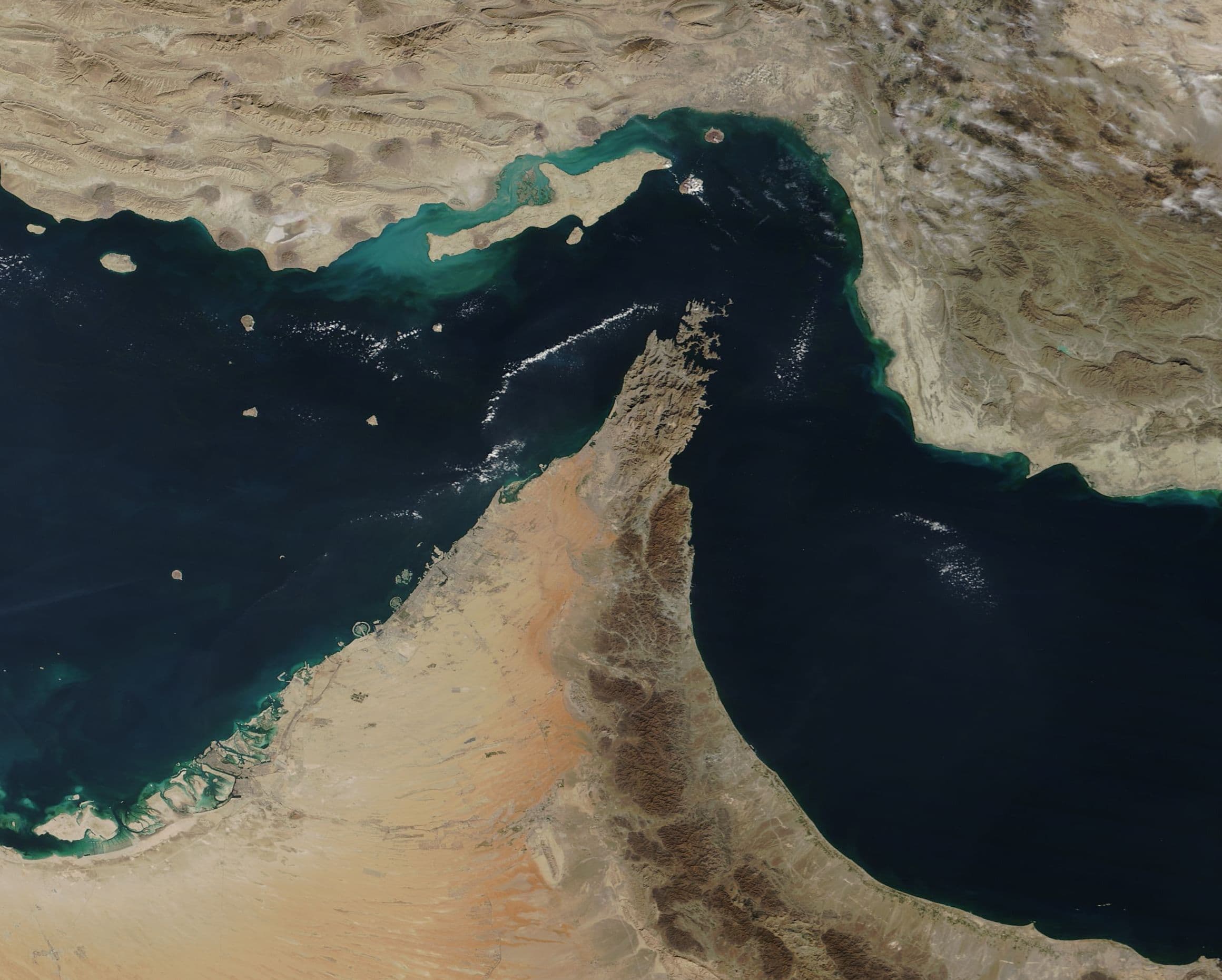
U.S. Central Command said American forces launched a second consecutive day of strikes on multiple Iranian targets on June 10, widening the most serious rupture in the April ceasefire. U.S. officials described the operation as a response to Iran's continued aggression after the downing of a U.S. Apache helicopter near the Strait of Hormuz; Iran has denied Washington's framing and says U.S. attacks are undermining negotiations. Iranian media and officials reported explosions in southern coastal areas including Bandar Abbas, Sirik and Minab, while the Islamic Revolutionary Guard Corps said it had retaliated against U.S.-linked bases in Bahrain, Jordan and Kuwait. Diplomacy has not stopped: Qatari mediators were reported in Tehran, and U.S. officials still signal that military pressure and talks may proceed in parallel. The immediate risk is not only regional escalation, but further disruption around the Strait of Hormuz, a chokepoint for global energy trade.
Verified by Validiris·📚 8 sources·🧠 AI-checked·🇧🇪 Belgian: MediumWhy you can trust this
The Iran Conflict: Nuclear, Regional and Diplomatic
The decades-long confrontation between Iran and its adversaries — the United States, Israel, Saudi Arabia, and proxies across the region — covering the nuclear file, sanctions, the JCPOA collapse, the post-October 2023 escalation, and current diplomatic openings.
About this story
U.S. Central Command (the U.S. military command responsible for the Middle East and Central Asia, headquartered in Tampa) is directing American operations in the Gulf. Donald Trump (U.S. president, returned to office in 2025) ordered the latest strikes. Pete Hegseth (U.S. defense secretary in the Trump administration) publicly linked the strikes to Washington's negotiating position. The Strait of Hormuz (narrow waterway between Iran and Oman) is a key route for Gulf oil and liquefied natural gas shipments. Bandar Abbas, Sirik and Minab (southern Iranian coastal cities near the strait) were named in Iranian reports of explosions. The Islamic Revolutionary Guard Corps (Iran's powerful military-political force, founded after the 1979 revolution) claimed retaliation. Qatar (Gulf state that has often mediated between Washington and Tehran) is trying to keep talks alive. Bahrain, Kuwait and Jordan host or support U.S. military activity in the region.
How to read this story
The history
The latest strikes sit inside a longer cycle of U.S.-Iran confrontation. The 2015 Joint Comprehensive Plan of Action limited Iran's nuclear programme before the United States withdrew from it in 2018. The IAEA Board of Governors found in June 2025 that Iran was not meeting safeguards obligations, and the nuclear file has since remained central to negotiations. The current war began in late February 2026, and an April ceasefire created only a provisional pause. U.S.-Iran clashes near the Strait of Hormuz echo the 1980s tanker-war period, when Gulf shipping became a direct military target.
The geopolitics
The strikes deepen a contest over coercive diplomacy: Washington is trying to use force to shape nuclear and maritime negotiations, while Tehran is using retaliation and Hormuz leverage to resist imposed terms. Gulf states are caught between U.S. security dependence and vulnerability to Iranian missiles. Europe faces a familiar dilemma: economic exposure to a conflict in which it has limited military control.
Why now
The trigger is the reported downing of a U.S. Apache helicopter near the Strait of Hormuz and Washington's decision to answer with two consecutive days of strikes. The timing matters because the April ceasefire was already fragile and talks over a durable settlement had stalled.
What to watch
Watch for Iranian attacks on U.S.-linked bases, any confirmed damage to Hormuz shipping, Qatari mediation readouts, U.S. statements on further strike waves and IAEA or UN moves on Iran's nuclear file. Market signals to track include Brent crude, European gas benchmarks and tanker insurance rates.
Local impact
The most local Belgian effect is in Brussels, where NATO and EU foreign-policy staff would have to process any escalation quickly through alliance consultations, sanctions discussions and energy-security planning. The Port of Antwerp-Bruges and Belgian logistics firms could feel indirect pressure if tanker insurance, rerouting or fuel prices rise, though no Belgium-specific disruption was verified in the sources consulted.
International angle
This is primarily an international security story. It links U.S.-Iran military escalation, Gulf-state base security, Iranian control claims around Hormuz, Qatari mediation and European energy exposure. For the EU, the issue is less battlefield command than whether Europe can protect energy supply and diplomatic room while the United States applies military pressure.
What this means for you
Belgian readers do not need to change daily routines because of the strikes alone. The practical signals are economic and travel-related: households and firms should watch fuel-price movement, transport surcharges and official travel advice for the Gulf, Iran, Iraq, Lebanon and Israel. Businesses with Gulf supply chains may need contingency checks if shipping or insurance conditions deteriorate.
What happens next
The next steps are likely to depend on whether Iran answers the second U.S. strike wave with further attacks and whether Qatar can keep talks alive. U.S. officials may continue describing strikes as compatible with negotiations, while Iran could insist that diplomacy cannot proceed under attack. Markets will watch Hormuz traffic, tanker insurance and any signal of wider Gulf-state involvement.
Potential consequences
If the exchange remains limited, the main effects may be higher risk premia on oil, gas, shipping and insurance. If Iran or the United States widens target sets, Gulf bases, ports, desalination plants and energy infrastructure could come under greater pressure. For Europe, the second-order risk is a renewed inflation shock before gas storage and winter planning are secure. Diplomatically, the strikes could also reduce the credibility of any ceasefire text unless mediators can establish enforcement mechanisms.
Opposing perspectives
- U.S. administration
U.S. officials frame the strikes as coercive self-defence: Iran, in their account, escalated around the Strait of Hormuz and against U.S.-linked bases, so limited strikes on radar, air-defence and command assets are meant to protect forces and force Tehran back toward a settlement.
- Iranian government
Iran's foreign ministry argues that Washington is violating the ceasefire while pretending to negotiate. In this reading, U.S. strikes and the naval blockade are pressure tactics aimed at extracting nuclear and sanctions concessions, while Tehran presents control of Hormuz as a sovereignty and security issue.
- Gulf mediators
Qatar's mediation track reflects a third frame: the priority is keeping channels open because each military exchange narrows space for a durable ceasefire. Gulf states have strong incentives to prevent U.S.-Iran fighting from spreading across bases, shipping lanes and energy infrastructure.
Timeline
- 2015-07-14·Iran and world powers agreed the Joint Comprehensive Plan of Action limiting Iran's nuclear programme.
- 2018-05-08·The United States withdrew from the nuclear deal and restored broad sanctions on Iran.
- 2025-06-12·The IAEA Board of Governors found Iran was not meeting safeguards obligations.
- 2026-02-28·The current Iran war began after U.S. and Israeli strikes, followed by Iranian retaliation and disruption around Hormuz.
- 2026-04-08·A provisional ceasefire opened negotiations but left disputes over Hormuz, sanctions and nuclear limits unresolved.
- 2026-06-10·U.S. forces launched a second consecutive day of strikes on multiple Iranian targets.
Glossary
- Strait of Hormuz
- A narrow sea passage between Iran and Oman that links the Persian Gulf to the Gulf of Oman and global shipping routes.
- IAEA
- The International Atomic Energy Agency, the UN-linked nuclear watchdog that verifies safeguards and monitors declared nuclear material.
- CENTCOM
- U.S. Central Command, the American military command responsible for operations across the Middle East and parts of Central Asia.
- IRGC
- Iran's Islamic Revolutionary Guard Corps, a powerful military and political force separate from Iran's regular army.
Related to this story

Live connections from the Belgium Impulse ecosystem — not recommendations.
This briefing was prepared with AI assistance and reviewed by a Belgium Impulse editor before publication. methodology.