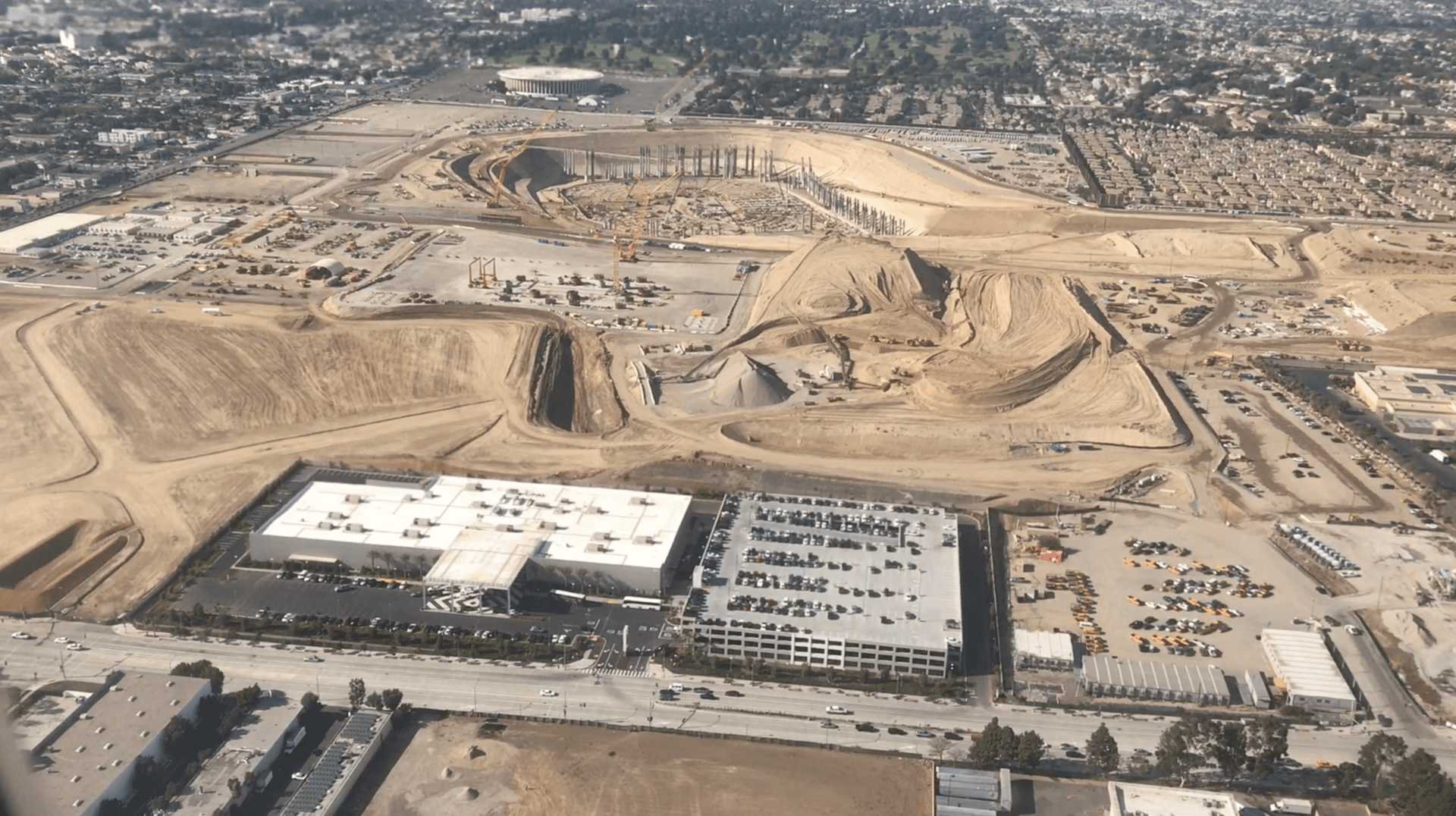
United States face Paraguay as Los Angeles starts its World Cup run
The United States open their 2026 FIFA World Cup campaign against Paraguay in Los Angeles, with FIFA's schedule placing the Group D match at Los Angeles Stadium on 12 June. The football story is straightforward: a co-host begins its home tournament in a city that last staged men's World Cup matches in 1994. The wider atmosphere is less simple. The White House proclamation of 4 June 2025 restricts entry for nationals of listed countries but includes an exception for athletes, team staff and close relatives travelling for the World Cup or other major sporting events. That leaves a visible split between the tournament's global welcome and tighter US border politics. For Belgium Pulse readers, the link is practical rather than central: Belgium's own Group G campaign also takes the Red Devils to the same West Coast corridor, including a Los Angeles match against Iran later in the group stage.
Verified by Validiris·📚 7 sources·🧠 AI-checked·🇧🇪 Belgian: LowWhy you can trust this
Trump's America: From the First Term to Now
A living dossier on Donald Trump's political project, from the 2016 victory through the post-2020 contested period to his return to the White House in January 2025 — and the political, legal, economic and institutional consequences still unfolding.
About this story
FIFA World Cup 2026 (the men's global football tournament run by FIFA in Canada, Mexico and the United States from June to July 2026) is the first 48-team edition. Los Angeles Stadium (FIFA's tournament name for SoFi Stadium in Inglewood, California, opened in 2020) is hosting major group-stage matches. United States men's national team (the US co-host side, often called USMNT) begin against Paraguay (South American national team governed by CONMEBOL, returning to the World Cup after a long absence). Mauricio Pochettino (Argentine coach of the US team) leads a squad built around players such as Christian Pulisic. Donald Trump (US president in 2025-26) signed the travel proclamation affecting parts of the tournament's fan and delegation environment. ICE (US Immigration and Customs Enforcement) is the federal agency central to US deportation enforcement. Omar Artan (Somali referee) and Aymen Hussein (Iraqi striker) have been cited in reports on tournament-entry problems.
How to read this story
The history
FIFA's tournament history makes Los Angeles a symbolic venue: the city hosted matches at the 1994 men's World Cup, including the final at the Rose Bowl, before the competition returned to North America in 2026. FIFA awarded the 2026 tournament to a joint Canada-Mexico-United States bid in 2018 and later expanded the finals to 48 teams. The White House proclamation of 4 June 2025 revived a travel-ban model associated with Trump's first administration, while the Federal Register text records a sports-event exception for athletes, team staff and immediate relatives.
The bigger picture
The broader issue is the collision between a global sports event built on cross-border movement and a host-country immigration policy built on selective restriction. The White House proclamation's sports exception reduces risk for accredited teams, but the surrounding debate shows how mega-events can expose political fault lines over borders, security and who gets to participate as a fan.
Why now
The story is timely because the United States begin their home World Cup campaign against Paraguay on 12 June 2026, one day after the tournament opened in Mexico and after months of scrutiny over tickets, visas and US entry rules.
What to watch
Watch the attendance and atmosphere at Los Angeles Stadium, any further visa or entry incidents affecting teams or officials, and FIFA's handling of fan-access complaints. For Belgium, the next relevant signal is how the same venue environment looks before Belgium's later Group G match in Los Angeles.
International angle
The match is part of the first World Cup shared by Canada, Mexico and the United States, making travel rules, border procedures and host-city operations part of the sporting product. Belgium enters through the same tournament network: its Group G route includes North American travel and a Los Angeles match later in the opening phase.
What this means for you
Belgian supporters planning US World Cup travel should check passport validity, ESTA or visa eligibility, ticket transfer rules and stadium security guidance before departure. The current restrictions described in the White House proclamation are not aimed at Belgian nationals as such, but Belgian-based travellers with another nationality or dual-national status should verify their own entry position.
What happens next
The result of USA-Paraguay will set the early tone in Group D before the teams move deeper into the group stage. Belgian readers should watch how Los Angeles manages queues, policing, ticket availability and fan movement, because the same venue corridor will return to Belgian attention when Belgium face Iran later in Group G.
Potential consequences
If the Los Angeles opener feels full, orderly and competitive, it could strengthen the US leg of the tournament after months of attention on prices and travel restrictions. If visible empty seats, visa disputes or immigration-enforcement fears dominate, the reputational cost could fall on FIFA and US organisers. For Belgian fans, the main consequence would be greater caution around documentation, ticket resale and matchday travel planning.
Opposing perspectives
- Tournament organisers and FIFA
FIFA's schedule and host-city model frame Los Angeles as part of a larger North American celebration: a co-host opens at home, the tournament expands to new markets, and the sport reaches fans across three countries. In this view, the USA-Paraguay match is primarily a football milestone, with politics sitting around the event rather than defining it.
- US administration and border-security officials
The White House proclamation frames the entry restrictions as a national-security measure, while carving out an exception for athletes, team staff and close relatives travelling for the World Cup or other major sporting events. That argument treats the tournament as compatible with tighter vetting, not as a reason to suspend border policy.
- Fan-access and migrant-rights advocates
Fan-access and migrant-rights advocates quoted around the tournament argue that expensive tickets, visa uncertainty and fear of immigration enforcement narrow who can actually participate in a supposedly global event. Their strongest point is that the World Cup's public promise depends not only on elite players entering the country, but also on ordinary supporters feeling welcome.
Timeline
- 2025-06-04·The White House issued the proclamation restricting entry for nationals of listed countries, with a sports-event exception.
- 2025-06-10·The Federal Register published the proclamation text.
- 2026-06-11·The 2026 FIFA World Cup opened in Mexico.
- 2026-06-12·The United States were scheduled to open against Paraguay at Los Angeles Stadium.
Glossary
- ESTA
- The US Electronic System for Travel Authorization used by many Belgian passport holders for short visa-free travel, subject to eligibility.
- ICE
- US Immigration and Customs Enforcement, the federal agency responsible for immigration enforcement and removals.
- CONMEBOL
- The South American football confederation, governing Paraguay's regional qualifying path.
- Group D
- The World Cup first-round group containing the United States, Paraguay and their other group opponents.
Related to this story


Live connections from the Belgium Impulse ecosystem — not recommendations.
This briefing was prepared with AI assistance and reviewed by a Belgium Impulse editor before publication. methodology.