United States and Iran sign interim deal to reopen Strait of Hormuz
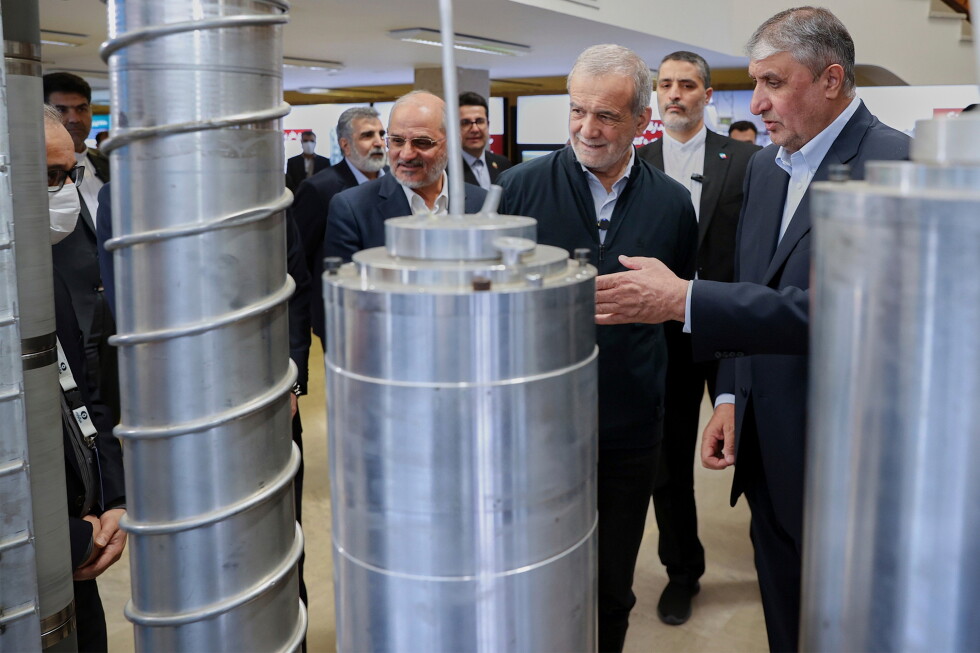
The United States and Iran have signed an interim memorandum intended to end their war, reopen the Strait of Hormuz and start a 60-day negotiation toward a final nuclear and sanctions settlement. The memorandum says Iran will restore toll-free commercial passage for 60 days, while the United States will lift its naval blockade and issue waivers for Iranian oil exports. It also says Iran will not develop nuclear weapons and that the fate of its enriched uranium stockpile will be resolved under International Atomic Energy Agency supervision. The deal is still fragile: Iran’s negotiator has already signalled that Tehran wants service fees after the toll-free period, while US officials have tied broader sanctions relief to nuclear implementation. For Belgium Pulse readers, the centre of gravity is global security and energy: the Strait’s reopening could ease inflationary pressure, but only if shipping, insurance and verification mechanisms hold.
Trust & Evidence📚 7 sources· ✓ Editor reviewed· 🧠 AI-checked· Trust status: not yet independently verifiedView evidence & verification Hide
Verification record
- 📚 7 verified sources — Al Jazeera - Diplomat confirms that US and Iran have signed MoU electronically · Axios - U.S.-Iran deal: Read the full text · Axios - US, Iran sign deal ahead of schedule, sources say · The Guardian - US-Iran deal takeaways: reopening the strait of Hormuz, waived oil sanctions and Lebanon …
- 🧠 High confidence — AI-checked, editor-approved
- 🇧🇪 Belgian impact: Medium
- 📜 Provenance recorded & timestamped
Evidence is generated from the OIS evidence chain and reviewed before appearing on Belgium Pulse.
Powered by OIS / Evidentia
The Iran Conflict: Nuclear, Regional and Diplomatic
The decades-long confrontation between Iran and its adversaries — the United States, Israel, Saudi Arabia, and proxies across the region — covering the nuclear file, sanctions, the JCPOA collapse, the post-October 2023 escalation, and current diplomatic openings.
About this story
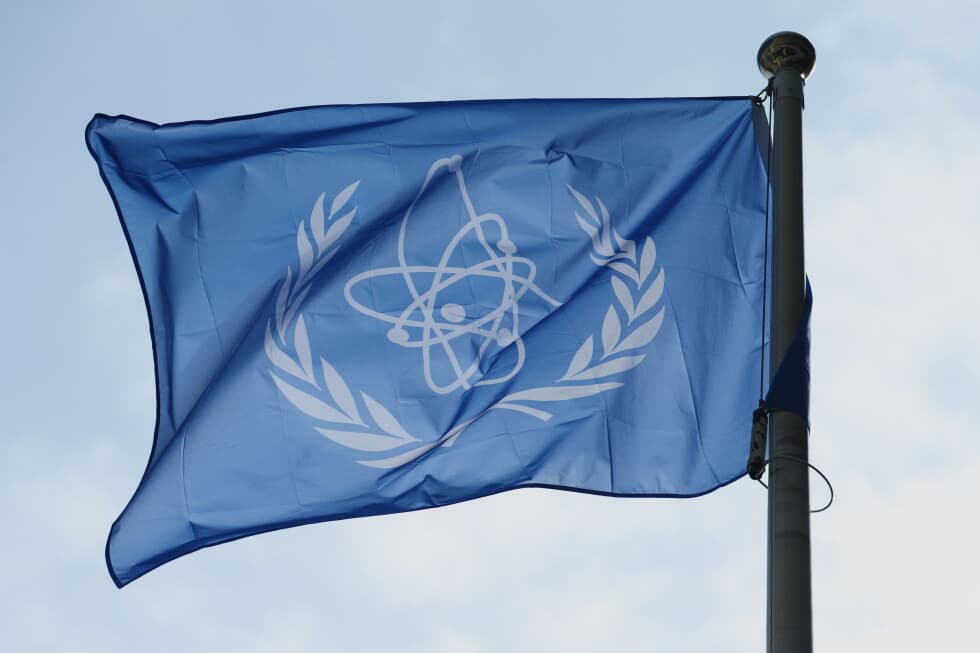
The Strait of Hormuz (narrow waterway between Iran and Oman at the entrance to the Persian Gulf) is a critical route for oil, liquefied natural gas and fertilizers. Masoud Pezeshkian (Iran’s president since 2024) leads Iran’s elected government under the Islamic Republic’s clerical system. Donald Trump (US president) signed for Washington. JD Vance (US vice-president) is expected to lead the US delegation in Switzerland. Mohammad-Bagher Ghalibaf (speaker of Iran’s parliament and former Revolutionary Guards commander) is Tehran’s senior political negotiator. The International Atomic Energy Agency (UN nuclear watchdog based in Vienna, founded in 1957) verifies nuclear commitments. Oman (Gulf state sharing the Strait’s southern coast) is named in the memorandum for future maritime talks. Hezbollah (Iran-backed Lebanese armed movement and party, founded in the 1980s) matters because the text covers Lebanon. The UN Security Council (15-member UN body with binding peace-and-security powers) would endorse any final deal.
How to read this story
The history
The memorandum echoes earlier interim nuclear diplomacy but follows a much sharper security crisis. The 2015 Joint Comprehensive Plan of Action limited Iran’s nuclear programme in exchange for sanctions relief, before the United States withdrew in 2018. The IAEA Board found Iran non-compliant with safeguards obligations in June 2025, and AP reported that the Board again demanded urgent Iranian cooperation and site access on 10 June 2026. The current text adds a maritime dimension: UNCTAD’s 10 March 2026 rapid assessment said the Hormuz crisis had disrupted a chokepoint carrying around a quarter of global seaborne oil trade.
The geopolitics
The deal tests whether coercive control of a maritime chokepoint can be converted into a negotiated security framework. Iran gains a route to sanctions relief and reconstruction talks; Washington gains a possible off-ramp from war and a nuclear-verification process. Gulf states, Israel, the EU, China and shipping markets will judge the outcome by enforcement, not signing optics.
Why now
The trigger is the electronic signing of the memorandum on 17 June 2026 after earlier expectations of an in-person ceremony in Switzerland. The practical urgency is reopening Hormuz sooner and starting the 60-day clock for a final nuclear and sanctions settlement.
What to watch
Watch the planned Switzerland meeting, the first commercial shipping and insurance decisions, US Treasury waiver details, IAEA access arrangements, and any Iranian move to define post-60-day fees with Oman. The decisive test is whether shipping normalizes before the 60-day negotiation window closes.
Local impact
The most concrete Belgian exposure is the logistics and petrochemical economy around the Port of Antwerp-Bruges, where fuel prices, shipping insurance, tanker availability and fertilizer inputs feed into costs for hauliers, chemical firms and farmers. The story does not create a Belgium-specific rule change today, but it affects the price environment those sectors operate in.
International angle
The memorandum is international at its core: it links US-Iran war termination, Gulf maritime access, Iranian oil exports, IAEA nuclear supervision and a possible UN Security Council resolution. For the EU, it intersects with sanctions policy, freedom of navigation and energy-market stability rather than a direct Belgian diplomatic role.
What this means for you
Belgian readers should not expect instant pump-price relief. The immediate practical signal is risk: if tankers, insurers and energy traders trust the reopening, fuel and freight pressure could ease gradually. Businesses with exposure to transport, fertilizers or gas should track contract terms, insurance surcharges and EU sanctions guidance as implementation details emerge.
What happens next
US and Iranian delegations are expected to meet in Switzerland to launch the technical phase. The memorandum says the sides have 60 days, extendable by mutual consent, to settle nuclear, sanctions, asset-release and monitoring details. Shipping companies and insurers will watch whether Iran restores predictable passage within 30 days and whether the US Treasury waivers are broad enough to restart lawful oil flows.
Potential consequences
If the memorandum holds, energy and freight markets could gradually price in lower geopolitical risk, easing some inflation pressure for European consumers and firms. If the text collapses, Belgium and the EU could face renewed fuel volatility, higher shipping insurance and a harder sanctions debate. A disputed Iranian fee system after 60 days could also create a new legal and diplomatic fight over freedom of navigation.
Opposing perspectives
- US administration / White House
US officials frame the memorandum as a conditional de-escalation tool: the oil waiver and blockade removal are meant to reopen shipping quickly, while broader sanctions relief depends on nuclear implementation. The memorandum says the final deal must still be negotiated within 60 days, which gives Washington leverage if Iran stalls.
- Iranian negotiating team
Iran’s negotiators present the text as recognition that the Strait of Hormuz cannot simply return to pre-war arrangements. Iran’s negotiator has already signalled that Tehran sees a role for Iran and Oman in future administration and wants service fees after the toll-free period.
- US congressional hawks and Israeli security establishment
Sceptics argue the memorandum gives Iran early economic breathing room without resolving missiles, proxies or enrichment in a final, enforceable way. Their strongest case is that maritime reopening and oil waivers may reward coercive control of Hormuz before verification proves durable.
- UNCTAD / trade-development analysts
UNCTAD’s March 2026 assessment frames Hormuz primarily as a global supply-chain vulnerability: the policy priority is de-escalation, freedom of navigation and protecting civilian maritime infrastructure because energy, fertilizer and transport shocks can spread quickly into food costs and public finances.
Timeline
- 2015-07-14·Iran and world powers reached the Joint Comprehensive Plan of Action nuclear deal.
- 2018-05-08·The United States withdrew from the 2015 nuclear deal.
- 2026-03-10·UNCTAD published a rapid assessment warning that Hormuz disruption could hit energy, fertilizer and transport costs.
- 2026-06-10·AP reported that the IAEA Board demanded urgent Iranian cooperation and access to nuclear sites.
- 2026-06-17·The United States and Iran signed the interim memorandum electronically, according to multiple reports.
Glossary
- IAEA
- The International Atomic Energy Agency is the UN-linked nuclear watchdog that inspects nuclear programmes and reports safeguards compliance.
- UN Security Council resolution
- A decision by the UN’s 15-member security body; some resolutions are legally binding under the UN Charter.
- Down-blending
- A nuclear process that dilutes highly enriched uranium with lower-enriched or natural uranium to reduce weapons relevance.
- Sanctions waiver
- A temporary legal permission that allows otherwise restricted transactions without fully repealing the sanctions regime.
Related to this story
Live connections from the Belgium Impulse ecosystem — not recommendations.
This briefing was prepared with AI assistance and reviewed by a Belgium Impulse editor before publication. methodology.