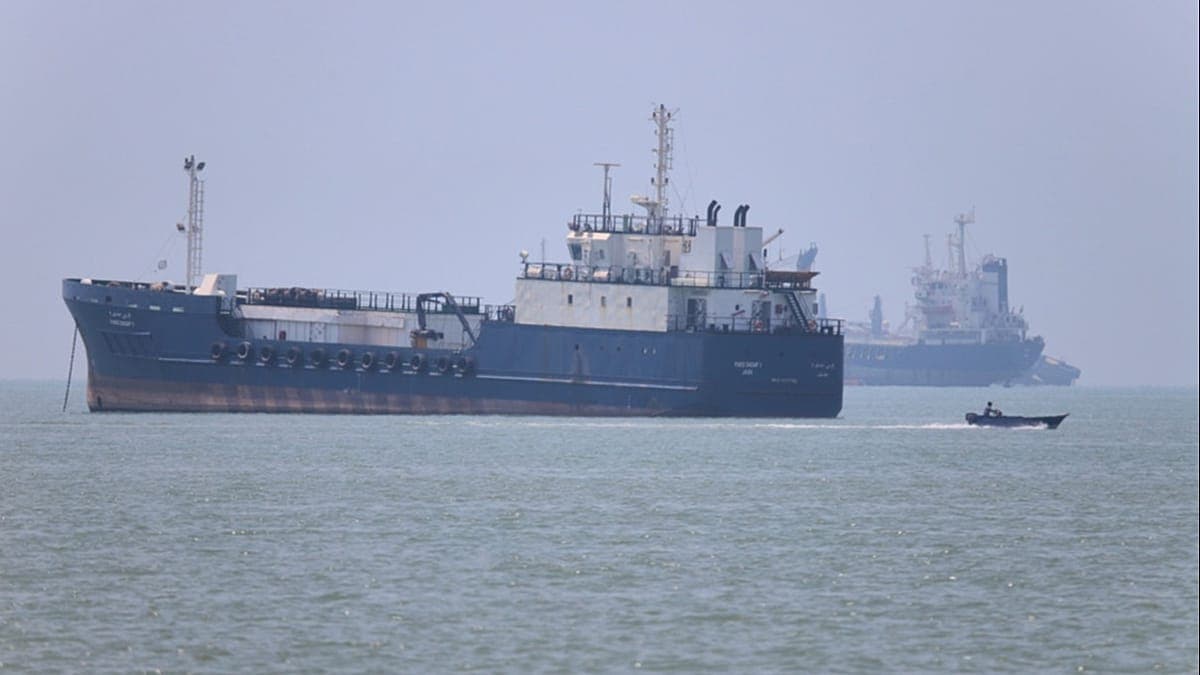
Trump signs Iran memorandum to reopen Strait of Hormuz
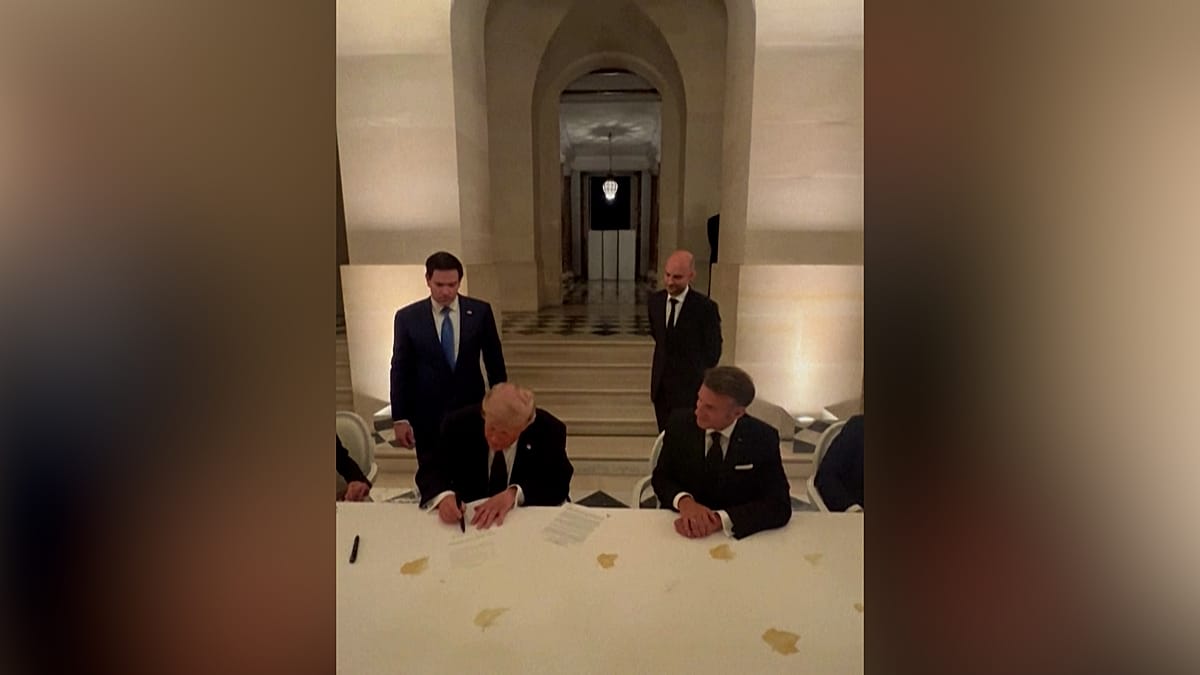
U.S. President Donald Trump has signed a preliminary memorandum of understanding with Iran that U.S. officials say is now in effect and is meant to stop the 2026 U.S.-Iran war, lift the U.S. naval blockade and restart commercial traffic through the Strait of Hormuz. The memorandum gives Washington and Tehran a maximum 60-day window to negotiate a final settlement, while Iran is expected to restore full traffic through Hormuz within 30 days and allow a temporary toll-free period for ships. U.S. officials say the deal links wider sanctions relief to future nuclear commitments, including discussion of IAEA-supervised treatment of Iran's enriched uranium stockpile. The immediate effect is economic de-escalation, not a settled peace: Iran's missile programme, regional allies, future shipping tolls and the final nuclear framework remain open disputes. For Belgian readers, the centre of gravity is global security and energy-market risk, with EU diplomacy now moving from crisis response to implementation pressure.
Trust & Evidence📚 7 sources· ✓ Editor reviewed· 🧠 AI-checked· Trust status: not yet independently verifiedView evidence & verification Hide
Verification record
- 📚 7 verified sources — Euronews France lead: Trump signe l'accord iranien · The Guardian: Trump signs Iran peace plan, claiming deal averts worldwide depression · Axios: U.S. and Iran sign deal ahead of schedule · New York Post: Complete 14-point US-Iran peace deal finally revealed …
- 🧠 High confidence — AI-checked, editor-approved
- 🇧🇪 Belgian impact: Medium
- 📜 Provenance recorded & timestamped
Evidence is generated from the OIS evidence chain and reviewed before appearing on Belgium Pulse.
Powered by OIS / Evidentia
Trump's America: From the First Term to Now
A living dossier on Donald Trump's political project, from the 2016 victory through the post-2020 contested period to his return to the White House in January 2025 — and the political, legal, economic and institutional consequences still unfolding.
About this story
Donald Trump (U.S. president, serving his second term in 2026) signed the memorandum for Washington. Masoud Pezeshkian (Iran's president since 2024) is Tehran's head of government. Mohammad Bagher Ghalibaf (speaker of Iran's parliament and senior conservative power broker) is leading the Iranian delegation for follow-up talks. JD Vance (U.S. vice-president in 2026) is expected to lead the U.S. delegation. The Strait of Hormuz (narrow waterway between Iran and Oman) is one of the world's most important oil and LNG routes. The International Atomic Energy Agency, or IAEA (UN nuclear watchdog founded in 1957), would supervise any technical nuclear steps. Hezbollah (Iran-backed Lebanese armed movement and political party) matters because the memorandum refers to fighting on fronts including Lebanon. The G7 (Canada, France, Germany, Italy, Japan, the UK, the U.S. and the EU) has backed follow-on talks on missiles and regional security.
How to read this story
The history
The memorandum sits in the long arc of U.S.-Iran nuclear diplomacy. The 2015 Joint Comprehensive Plan of Action limited Iran's nuclear programme in exchange for sanctions relief, but the first Trump administration withdrew from it on 8 May 2018. A 2025 Israel-Iran ceasefire, announced on 24 June 2025 after the Twelve-Day War, held only until the wider 2026 escalation. The UN Security Council adopted Resolution 2817 on 11 March 2026 condemning attacks on Gulf states and shipping, according to the UN text, but that did not settle the status of Hormuz or Iran's nuclear programme.
The geopolitics
The deal reflects a shift from military coercion back to transactional diplomacy. Washington wants Hormuz reopened and nuclear risk contained; Tehran wants sanctions relief, sovereignty over its waterways and recognition as a regional actor. Europe wants verification and shipping security but has limited leverage if Iran and the U.S. keep the main channel bilateral. China and Gulf states remain crucial because energy flows and reconstruction funding run through them.
Why now
The trigger is the signing of a preliminary memorandum after months of war and disruption around the Strait of Hormuz. U.S. officials accelerated implementation to reopen shipping before the planned formal meeting and to reduce pressure from energy markets and political critics.
What to watch
Watch whether commercial traffic through Hormuz returns within 30 days, whether Iran demands fees after the toll-free period, whether the IAEA receives a concrete nuclear mandate, and whether the 60-day negotiating window produces a final deal or only another temporary extension.
Local impact
The most local Belgian effect is on transport- and energy-exposed sectors around Antwerp-Bruges port, Brussels Airport and fuel-dependent road haulage. If Hormuz traffic normalises, importers, logistics firms and airlines should face less acute price volatility, although contracts and inventories mean consumers may not see immediate changes at petrol stations or in delivery prices.
International angle
The European dimension is that EU governments are not the main negotiators, but they are directly exposed to the outcome through sanctions policy, energy prices, maritime security and the IAEA framework. France and the UK are pushing a defensive maritime role, while the EU institutions in Brussels will have to align sanctions and verification policy with whatever final text emerges.
What this means for you
Belgian readers should expect market relief before everyday relief. Petrol, heating and freight costs may ease if shipping and insurance normalise, but bills will depend on contracts, inventories and euro-dollar energy pricing. Businesses exposed to fuel, fertiliser, aviation or maritime insurance should track the 30-day Hormuz target and the 60-day nuclear deadline rather than treating the signing as a settled peace.
What happens next
U.S. and Iranian delegations are expected to move into detailed talks led by JD Vance and Mohammad Bagher Ghalibaf. The main deadlines are the 30-day target for full traffic restoration and the 60-day window for a final agreement, which could be extended by mutual consent. The IAEA's role, any UN endorsement and a possible maritime escort arrangement remain key unresolved steps.
Potential consequences
If the memorandum holds, oil and gas risk premiums could ease and Belgium may see less pressure on pump prices, freight costs and inflation expectations. If talks fail, the combination of renewed sanctions, contested Hormuz tolls and possible military action could quickly restore volatility. A weak final deal could also divide the U.S., EU and regional allies over whether economic relief has moved faster than nuclear verification.
Opposing perspectives
- Trump administration
U.S. officials frame the memorandum as a necessary de-escalation that reopens the Strait of Hormuz, stops the naval blockade and creates leverage for a final nuclear settlement. Their strongest argument is that immediate market stabilisation and a 60-day negotiating clock are preferable to an open-ended war whose economic costs were spreading beyond the Gulf.
- Iranian leadership
Iranian negotiator Mohammad Bagher Ghalibaf presents the memorandum as proof that Tehran resisted U.S. pressure and preserved leverage over Hormuz. The strongest Iranian reading is that reopening shipping and discussing nuclear limits do not mean surrendering sovereignty, especially if Tehran later insists on service fees or rejects wider European involvement.
- G7 European governments
The G7 statement treats the memorandum as a useful opening, but not a complete settlement. The European argument is that Hormuz traffic, nuclear verification, missiles and Iran-backed armed groups must be handled in a broader diplomatic framework involving the IAEA and maritime-security partners, because a narrow U.S.-Iran bargain may leave Europe exposed.
- U.S. Republican hawks and Israeli security establishment
Hardliners argue the memorandum gives Iran early economic relief while postponing the most difficult nuclear and missile issues. Their strongest case is that waiving oil sanctions and accepting in-country nuclear steps may weaken pressure before Iran has irreversibly limited enrichment, missiles or support for regional armed allies.
Timeline
- 2015-07-14·Iran and world powers reached the Joint Comprehensive Plan of Action on Iran's nuclear programme.
- 2018-05-08·The first Trump administration withdrew the United States from the JCPOA.
- 2026-02-28·The 2026 U.S.-Israel war with Iran began, triggering the Hormuz crisis.
- 2026-03-11·The UN Security Council adopted Resolution 2817 on attacks against Gulf states and shipping.
- 2026-04-08·A temporary ceasefire was announced, but Hormuz access remained contested.
- 2026-06-17·Trump signed the preliminary U.S.-Iran memorandum to reopen Hormuz and start final talks.
Glossary
- IAEA
- The International Atomic Energy Agency, the UN nuclear watchdog that inspects nuclear facilities and verifies compliance with safeguards.
- G7
- A forum of major advanced economies: Canada, France, Germany, Italy, Japan, the United Kingdom, the United States and the European Union.
- Sanctions waiver
- A temporary legal permission allowing activity that would otherwise be restricted under sanctions rules.
- Memorandum of understanding
- A political agreement that records commitments but may need further legal instruments to become a binding final settlement.
Related to this story
Live connections from the Belgium Impulse ecosystem — not recommendations.
This briefing was prepared with AI assistance and reviewed by a Belgium Impulse editor before publication. methodology.