Trump says US and Iran will sign deal on Sunday
U.S. President Donald Trump said the United States and Iran are scheduled to sign a deal on Sunday that would reopen the Strait of Hormuz, but Iran's foreign ministry spokesperson Esmail Baghaei said the signing would not happen on that timetable and could take place in the coming days. Pakistan's prime minister Shehbaz Sharif and Pakistan's foreign ministry said a virtual signing was being prepared after mediation involving Pakistan and Gulf partners. The core uncertainty is whether the document is a narrow war-ending memorandum, as Iranian officials describe it, or the start of a nuclear settlement, as Trump has suggested. The International Atomic Energy Agency board separately demanded renewed Iranian cooperation this week, underlining why the nuclear file will not disappear even if a ceasefire and shipping deal holds. For Europe and Belgium, the practical issue is energy, shipping and inflation exposure rather than direct diplomacy.
Verified by Validiris·📚 7 sources·🧠 AI-checked·🇧🇪 Belgian: MediumWhy you can trust this
Trump's America: From the First Term to Now
A living dossier on Donald Trump's political project, from the 2016 victory through the post-2020 contested period to his return to the White House in January 2025 — and the political, legal, economic and institutional consequences still unfolding.
About this story
Donald Trump (U.S. president, returned to office in 2025) is presenting the draft as a diplomatic breakthrough. Iran (Islamic Republic in West Asia, governed by clerical and elected institutions since 1979) is treating the timing more cautiously. Shehbaz Sharif (Pakistan's prime minister, in office again since 2024) has acted as a mediator. Esmail Baghaei (Iranian foreign ministry spokesperson) has publicly disputed Trump's Sunday timetable. Abbas Araghchi (Iranian foreign minister and former nuclear negotiator) has signalled that an agreement is closer than before. The Strait of Hormuz (narrow waterway between Iran, Oman and the United Arab Emirates) is a critical oil and gas shipping route. The International Atomic Energy Agency (UN nuclear watchdog based in Vienna, founded in 1957) monitors Iran's nuclear obligations. The G7 (group of major industrial economies) meets next in France, where Hormuz demining and regional security are expected to feature.
How to read this story
The history
The dispute sits on top of two older layers. The 2015 Joint Comprehensive Plan of Action limited Iran's nuclear programme before Trump withdrew the United States from it on 8 May 2018. The Strait of Hormuz has repeatedly been a flashpoint: U.S. and Iranian forces clashed in Operation Praying Mantis in April 1988, and Iran has periodically threatened shipping pressure during nuclear and sanctions crises. According to the IAEA board's June 2026 resolution, inspectors still lack the cooperation and access they say are needed to verify Iran's nuclear material after the 2025 strikes on nuclear sites.
The geopolitics
The proposed memorandum would mark a shift from coercive escalation to transactional de-escalation, but the power balance remains unsettled. Washington wants to claim nuclear restraint and open shipping; Tehran wants war termination and economic relief without appearing to surrender sovereignty. Gulf states want the waterway reopened, while Israel worries that a limited deal may leave Iranian military networks intact.
Why now
The trigger is a convergence of battlefield and market pressure: recent exchanges of fire threatened the April ceasefire, while mediators said a draft was ready and Trump publicly set a Sunday signing expectation on June 13, 2026.
What to watch
Watch whether Iran joins a Sunday virtual signing, whether the published text mentions nuclear obligations, whether Hormuz shipping and insurance data improve, and what the G7 says about demining or maritime security after leaders meet in France.
Local impact
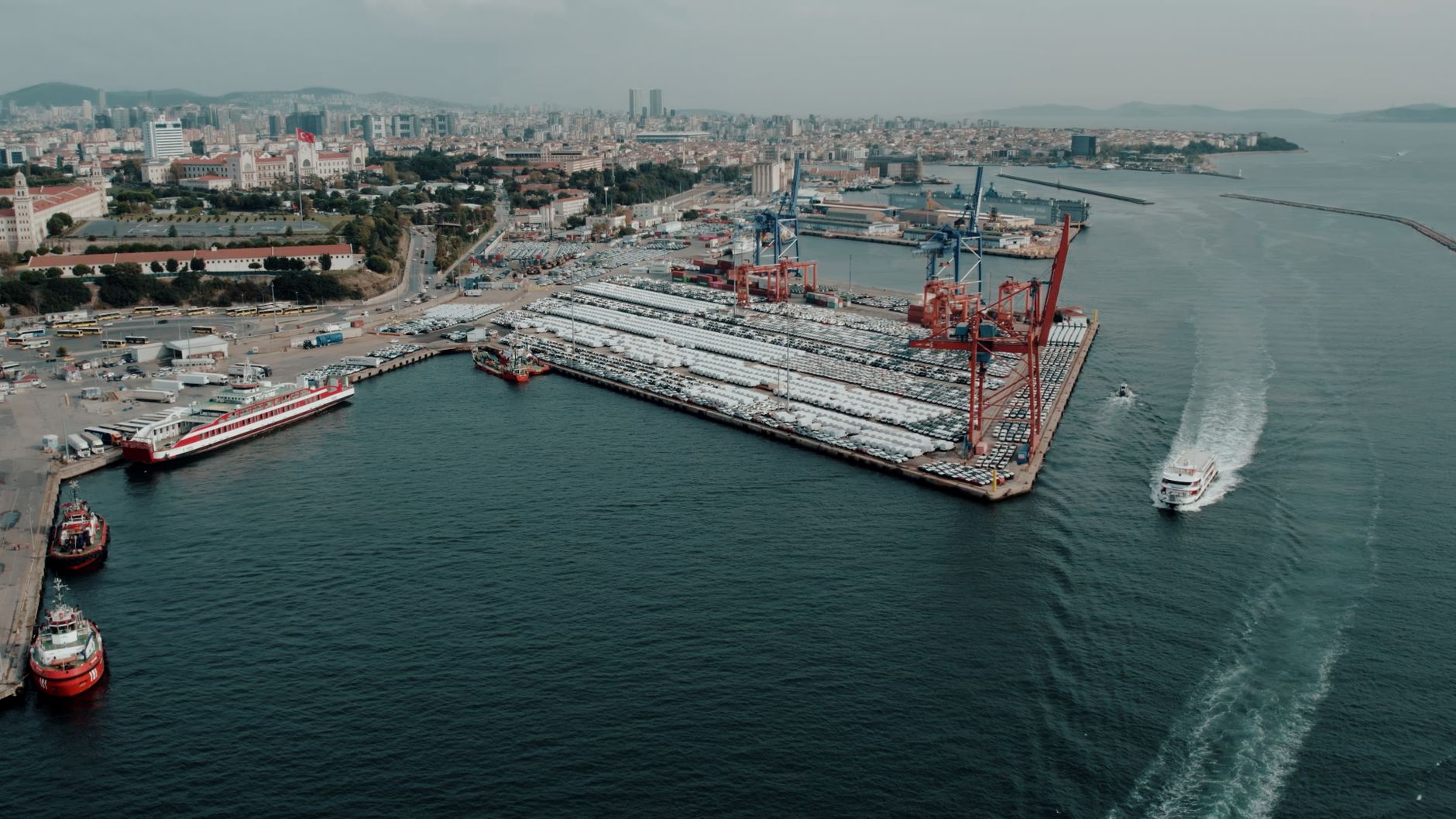
The most concrete Belgian exposure is the Port of Antwerp-Bruges and the logistics, petrochemical and fuel-distribution businesses around it. They are not parties to the diplomacy, but shifts in Gulf shipping risk can feed into tanker availability, insurance, refinery inputs and freight pricing that eventually reach Belgian companies and consumers.
International angle
The story is primarily a U.S.-Iran diplomatic test with European consequences. The EU is not leading the talks, but it is tied in through sanctions policy, the IAEA file, maritime security and energy exposure. France and Britain may also become involved in demining or security support if Hormuz reopening moves from promise to implementation.
What this means for you
Belgian readers should treat the announcement as a risk signal, not a completed settlement. Fuel and freight prices may react quickly to credible signs of reopened shipping, but household bills and business costs will depend on implementation, insurance rates and whether the nuclear dispute triggers renewed sanctions or military threats.
What happens next
The immediate test is whether a virtual signing happens on Sunday or slips into the following days, as Iran suggested. If a memorandum is signed, technical talks are expected to address ceasefire mechanics, Hormuz reopening, mine clearance and the nuclear question's place in follow-up negotiations. Trump is also expected to discuss Hormuz and regional security with G7 leaders and Middle Eastern partners in France.
Potential consequences
If the deal is signed and implemented, energy markets could price in lower risk, easing some pressure on Belgian fuel, freight and input costs. If the parties disagree immediately over whether nuclear issues are included, the memorandum could become another pause rather than a settlement. A failed signing would raise the risk of renewed strikes, further shipping disruption and higher insurance costs for vessels connected to Gulf trade.
Opposing perspectives
- Trump administration
Trump frames the draft as proof that pressure has forced Iran toward a settlement: his public account links the signing to immediate Hormuz reopening and later handling of enriched uranium. This view treats the memorandum as a first step in a broader security bargain, not merely a ceasefire document.
- Iranian foreign ministry
Iran's foreign ministry frames the process more narrowly and cautiously. Esmail Baghaei's statement rejects the Sunday timetable and presents the memorandum as focused on ending the war, leaving nuclear questions outside the immediate signing rather than accepting Washington's wider interpretation.
- Pakistani mediators
Pakistan's prime minister and foreign ministry frame the moment as a mediation breakthrough after months of conflict. Their strongest argument is procedural: if the parties can sign even a limited memorandum, technical talks and Hormuz arrangements can start before battlefield incidents destroy the opening.
- IAEA and Western nuclear states
The IAEA board and the states behind its resolution frame diplomacy as incomplete without verification. Their concern is that a ceasefire or shipping deal cannot substitute for access to nuclear sites and credible information about Iran's enriched uranium stockpile.
Timeline
- 2015-07-14·Iran and world powers agreed the Joint Comprehensive Plan of Action limiting Iran's nuclear programme.
- 2018-05-08·Trump withdrew the United States from the 2015 nuclear deal.
- 2025-06·U.S. and Israeli strikes on Iranian nuclear sites became a central point in later IAEA access disputes.
- 2026-04-07·A tenuous ceasefire began, according to reports on the current talks.
- 2026-06-10·The IAEA board demanded urgent Iranian cooperation and access to nuclear sites.
- 2026-06-13·Trump said a deal was scheduled for Sunday; Iran said the timetable was not that immediate.
- 2026-06-15·The G7 summit in France is expected to include discussion of Hormuz and regional security.
Glossary
- IAEA
- The International Atomic Energy Agency, the Vienna-based UN nuclear watchdog that verifies civilian nuclear programmes and safeguards obligations.
- G7
- A forum of major industrial economies: Canada, France, Germany, Italy, Japan, the United Kingdom, the United States and the European Union.
- Strait of Hormuz
- A narrow maritime passage between the Persian Gulf and the Gulf of Oman used by oil and liquefied natural gas tankers.
- Downblending
- A nuclear process that dilutes highly enriched uranium with lower-enriched or natural uranium to reduce weapons usability.
Related to this story

Live connections from the Belgium Impulse ecosystem — not recommendations.
This briefing was prepared with AI assistance and reviewed by a Belgium Impulse editor before publication. methodology.