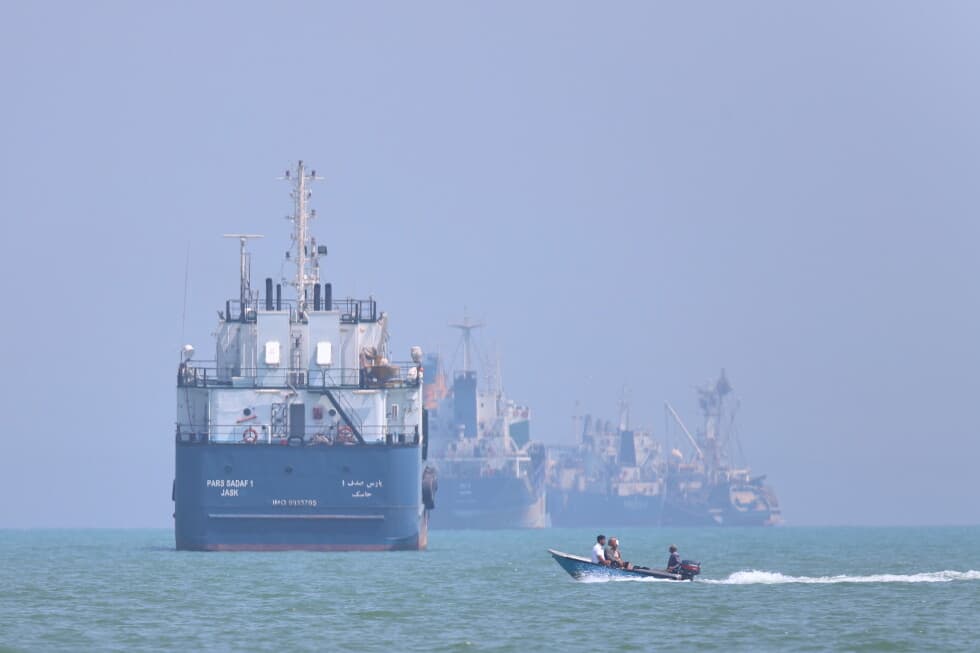
Trump presses Iran to sign interim deal on Hormuz and nuclear talks
U.S. President Donald Trump says Washington is close to an interim agreement with Iran, but Iran's foreign ministry says Tehran has not made a final decision. Diplomats from mediating countries and U.S. officials describe a draft memorandum that would reopen the Strait of Hormuz, extend a temporary ceasefire and create a new window for nuclear negotiations. The reported text appears to defer the hardest issue: what happens to Iran's enriched uranium stockpile and whether sanctions relief is released quickly or only after compliance. For Europe, the key question is not whether a signing ceremony happens, but whether any document restores verifiable nuclear oversight and reduces pressure on energy markets. Belgium is not a direct party, yet Belgian consumers, ports, energy-intensive firms and EU policymakers in Brussels are exposed to any renewed shock in oil, gas, shipping and sanctions policy.
Verified by Validiris·📚 8 sources·🧠 AI-checked·🇧🇪 Belgian: MediumWhy you can trust this
Trump's America: From the First Term to Now
A living dossier on Donald Trump's political project, from the 2016 victory through the post-2020 contested period to his return to the White House in January 2025 — and the political, legal, economic and institutional consequences still unfolding.
About this story
Donald Trump (U.S. president, returned to office in 2025) is driving the latest U.S. position. Iran (Islamic Republic in the Gulf, under heavy nuclear and sanctions pressure) is the counterpart. Abbas Araghchi (Iranian foreign minister and senior nuclear negotiator) is central to Tehran's diplomacy. JD Vance (U.S. vice president) is reported as a possible U.S. signatory. Qatar and Pakistan (regional mediators with channels to Washington and Tehran) have helped broker the draft. The Strait of Hormuz (narrow Gulf waterway between Iran and Oman) is a critical oil and gas route. The International Atomic Energy Agency, or IAEA (UN nuclear watchdog based in Vienna), verifies nuclear safeguards. The JCPOA (2015 Iran nuclear accord endorsed by UN Security Council Resolution 2231) is the collapsed framework behind today's dispute. The E3 (France, Germany and the United Kingdom) are Europe's main Iran nuclear negotiators.
How to read this story
The history
The current bargaining sits on a decade of failed nuclear diplomacy. The UN Security Council endorsed the JCPOA through Resolution 2231 on 20 July 2015, creating limits on Iran's nuclear programme and a sanctions snapback mechanism. The United States left the deal on 8 May 2018, after which Iran progressively reduced compliance. The E3 triggered the snapback process on 28 August 2025, arguing that Iran had stopped performing key commitments. The IAEA has since described access limits and unresolved safeguards questions as central obstacles to confidence in any new deal.
The geopolitics
The draft sits at the intersection of nuclear proliferation, Gulf energy security and U.S. power projection. Iran wants sanctions relief and strategic recognition; Washington wants nuclear restraint and freedom of navigation. Gulf mediators want de-escalation, while Europe wants a deal that lowers energy risk without normalising unverifiable nuclear ambiguity.
Why now
The story is timely because Trump has publicly claimed a deal is close while Iran's foreign ministry says no final decision has been made. That gap turns a possible signing into a test of whether the reported text is real, durable and acceptable to both capitals.
What to watch
Watch for a confirmed signing venue, publication of the memorandum, visible changes in Hormuz shipping, any U.S. sanctions waivers and IAEA access signals. The most important indicator will be whether the interim text leads to technical nuclear talks or simply freezes the dispute for another short period.
Local impact
The most local Belgian effect would be felt in Antwerp-Bruges and Belgium's petrochemical and logistics sectors. These firms are not parties to the diplomacy, but fuel prices, tanker insurance, freight rates and sanctions compliance costs can move through supply chains quickly when Gulf shipping risk changes.
International angle
This is a U.S.-Iran negotiation with direct European consequences. The EU is not the lead broker, but Brussels hosts the institutions that coordinate sanctions policy, energy-security planning and diplomatic responses with member states. Any bilateral arrangement must coexist with the European and UN architecture built around the JCPOA.
What this means for you
Belgian readers should not expect immediate policy changes at home, but fuel, freight and travel costs could react before diplomacy becomes clear. Businesses trading with the Gulf or exposed to sanctions should watch official EU and Belgian guidance rather than treating reported U.S.-Iran terms as operative law.
What happens next
The next step is whether Washington and Tehran confirm a signing date and publish enough text to test the claims. If an interim memorandum is signed, attention will move quickly to implementation: Hormuz traffic, any sanctions waivers, access to frozen funds and the start of a more technical nuclear negotiation. If it fails, military and market pressure could return quickly.
Potential consequences
If the memorandum is signed and implemented, oil and shipping risk premia could ease, giving Belgian consumers and firms some relief through fuel and freight channels. If the text proves vague, Iran and the United States could accuse each other of bad faith within weeks. A deal that weakens inspection leverage could also leave EU governments with lower short-term prices but a harder long-term proliferation problem.
Opposing perspectives
- U.S. administration
U.S. officials say an interim memorandum is the fastest way to reopen Hormuz, preserve a ceasefire and force a structured follow-up negotiation on enriched uranium. Their strongest argument is that a limited deal can reduce immediate market and military risk without pretending that the nuclear dispute is solved.
- Iranian government
Iran's foreign ministry says no final decision has been made, which frames the reported breakthrough as premature. Tehran's strongest argument is that sanctions relief, frozen assets and recognition of Iran's negotiating rights cannot be left to vague future compliance tests set by Washington.
- IAEA and non-proliferation specialists
The IAEA has said access limits are central to judging Iran's programme, while the IISS research context stresses the strategic significance of Iran's missile and nuclear capabilities. This frame treats any signing ceremony as secondary to verifiable inspection, stockpile accounting and enforceable limits.
- European energy and sanctions policymakers
EU policymakers have to weigh de-escalation against sanctions coherence. Their strongest argument is that lower oil-market pressure is valuable, but a U.S.-Iran side arrangement that bypasses verification or European sanctions decisions could weaken the broader non-proliferation framework.
Timeline
- 2015-07-20·The UN Security Council endorsed the JCPOA through Resolution 2231.
- 2018-05-08·The United States withdrew from the JCPOA and reimposed sanctions.
- 2025-08-28·The E3 triggered the snapback process over alleged Iranian non-performance.
- 2026-06-11·Trump said a U.S.-Iran deal was close, while Tehran said no final decision had been made.
- 2026-06-12·Reported draft terms focused on Hormuz, sanctions relief and a later nuclear negotiation.
Glossary
- JCPOA
- The 2015 Joint Comprehensive Plan of Action, the Iran nuclear agreement limiting Tehran's nuclear activities in exchange for sanctions relief.
- E3
- France, Germany and the United Kingdom, the three European powers that negotiate jointly on the Iran nuclear file.
- Snapback mechanism
- A Resolution 2231 procedure allowing previously lifted UN sanctions on Iran to be reimposed after alleged significant non-performance.
- IAEA safeguards
- Verification measures used by the International Atomic Energy Agency to check that nuclear material is not diverted to weapons use.
Related to this story
Live connections from the Belgium Impulse ecosystem — not recommendations.
This briefing was prepared with AI assistance and reviewed by a Belgium Impulse editor before publication. methodology.