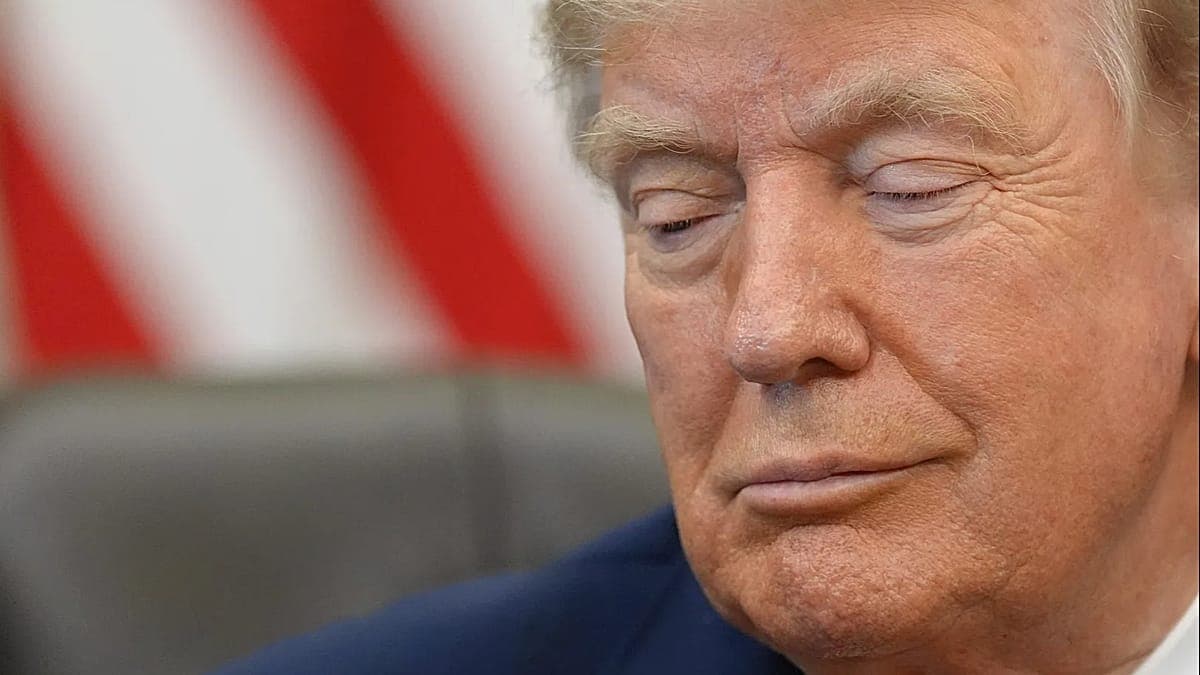
Trump and Araghchi push US-Iran deal toward fragile signing
Donald Trump and Iranian foreign minister Abbas Araghchi both signalled on 12 June that a U.S.-Iran memorandum to extend the ceasefire, reopen the Strait of Hormuz and start follow-up nuclear talks is close, but neither Washington nor Tehran has confirmed a final signed text. A senior U.S. official said the chance of signing in the coming days had risen to 80-85%, while Iran's foreign ministry said internal consultations were still under way. The main gaps remain highly political: when frozen Iranian funds would be released, what happens to enriched uranium, whether Iran accepts full freedom of navigation through Hormuz, and whether Lebanon is covered. Oil markets reacted immediately, with market reports showing Brent crude falling sharply before recovering as contradictory claims emerged. For Belgium and the EU, the story is mainly about energy security, shipping risk and diplomatic fallout, not a bilateral Belgian file.
Verified by Validiris·📚 7 sources·🧠 AI-checked·🇧🇪 Belgian: MediumWhy you can trust this
Trump's America: From the First Term to Now
A living dossier on Donald Trump's political project, from the 2016 victory through the post-2020 contested period to his return to the White House in January 2025 — and the political, legal, economic and institutional consequences still unfolding.
About this story
Abbas Araghchi (Iran's foreign minister since 2024 and a veteran nuclear negotiator) is Tehran's public face in the talks. Donald Trump (U.S. president, returned to office in January 2025) is driving Washington's negotiating line. Shehbaz Sharif (Pakistan's prime minister, in office since 2024) has acted as a mediator around the Islamabad track. The Strait of Hormuz (narrow Gulf waterway between Iran and Oman) is a strategic route for oil and liquefied natural gas. The International Atomic Energy Agency (UN nuclear watchdog based in Vienna) monitors declared nuclear material under safeguards rules. Hezbollah (Iran-backed Lebanese armed movement and political party) is relevant because Iran-linked conflict in Lebanon may be folded into the deal. Benjamin Netanyahu (Israel's prime minister) has pressed for limits on Iran's nuclear and missile capabilities. The Islamic Revolutionary Guard Corps (Iran's powerful military-security force) matters because U.S. officials describe internal Iranian consent as part of the final obstacle.
How to read this story
The history
The dispute sits on two older tracks. The 2015 Joint Comprehensive Plan of Action limited Iran's nuclear programme in return for sanctions relief, but the United States left the deal in 2018 and Iran later expanded enrichment. In June 2025, the IAEA Board of Governors found Iran in breach of safeguards obligations, a major escalation in the nuclear file. The 2026 war and the February closure of Hormuz then fused the nuclear dispute with an energy-security crisis. A provisional ceasefire in April reduced fighting but did not settle freedom of navigation, sanctions relief or Iran's enriched-uranium stockpile.
The geopolitics
The deal would be a temporary bargain between military pressure and economic relief. Washington wants nuclear and regional-security concessions; Tehran wants sanctions relief, access to funds and recognition of its leverage over Hormuz. Israel, Gulf states, Pakistan, the IAEA and EU governments all sit around the conflict even when they are not at the negotiating table.
Why now
The immediate trigger is the 12 June convergence of public signals: Araghchi said the memorandum was closer than before, Trump cancelled renewed strikes and a senior U.S. official said signing prospects had improved, while contradictory leaks forced both sides to manage expectations.
What to watch
Watch for a signed text over the weekend or on Monday, confirmation from both capitals, actual tanker movement through Hormuz, any IAEA role in follow-up nuclear talks, and whether Israel or Hezbollah-related language destabilises the package.
Local impact
The most concrete Belgian effect is in transport and energy-intensive sectors rather than one commune. Antwerp-Bruges port operators, road hauliers, airlines, farmers and chemical producers are exposed to fuel, gas, freight and fertiliser price swings if Hormuz shipping remains constrained or suddenly reopens.
International angle
This is a U.S.-Iran negotiation with consequences for the EU because sanctions, nuclear safeguards, maritime security and energy-market stability all affect European policy. Brussels is not the negotiating centre, but EU institutions and member states will have to respond if the memorandum changes sanctions enforcement, shipping risk or Iran's nuclear-monitoring pathway.
What this means for you
Belgian readers should expect continued volatility in pump prices, freight costs and energy-market headlines until ships move normally through Hormuz and the nuclear timetable is clearer. Businesses with fuel, shipping or fertiliser exposure may need to treat any price relief as provisional until implementation is visible.
What happens next
The next step is a possible remote signing in the coming days, but both sides still need final political consent and a credible technical path for nuclear follow-up talks. Watch for confirmation from Washington and Tehran, visible reopening of Hormuz shipping lanes, any timetable for sanctions relief, and whether Lebanon-related language survives the final text.
Potential consequences
If the memorandum is signed and implemented, energy prices could ease and EU governments may get more room to rebuild stocks before winter. If it collapses, shipping insurers, fuel markets and European inflation expectations could react quickly. A weak text could also defer rather than solve the nuclear dispute, especially if verification, uranium disposal and Lebanon-related commitments are left ambiguous.
Opposing perspectives
- U.S. administration
The U.S. administration's strongest case is that an interim memorandum can reopen Hormuz, hold the ceasefire and create a technical track for disposing of enriched uranium. A senior U.S. official said the sides were close but not finished, making this a staged de-escalation rather than a comprehensive settlement.
- Iranian government
Iran's government frames the memorandum as a way to secure economic relief while preserving sovereignty and avoiding premature publication of terms. Iran's foreign ministry said consultations were still in their final stages, and Araghchi argued that details should wait until finalisation.
- Israeli government
Israel's government reads the talks through nuclear and proxy-war risk. Netanyahu said he and Trump were aligned on preventing Iran from acquiring nuclear weapons, while Israeli concerns focus on whether any memorandum actually constrains missiles, uranium and Hezbollah-linked conflict.
- Energy-market analysts
Energy-market analysts treat the diplomacy less as a peace narrative than as a supply-risk signal. Market reports showed crude prices falling on hopes of Hormuz reopening, then recovering when the public claims diverged, underscoring that traders still need verifiable shipping flows.
Timeline
- 2015-07-14·Iran and world powers agreed the JCPOA nuclear deal.
- 2018-05-08·The United States withdrew from the JCPOA.
- 2025-06-12·The IAEA Board of Governors found Iran in breach of safeguards obligations, according to historical reporting on the nuclear file.
- 2026-02-28·The 2026 Iran war and Hormuz crisis escalated after U.S.-Israeli strikes and Iranian restrictions on shipping.
- 2026-04-08·A provisional ceasefire reduced direct fighting but left shipping and nuclear issues unresolved.
- 2026-06-12·Trump, Araghchi and mediators signalled that an interim U.S.-Iran memorandum was close but unsigned.
Glossary
- Strait of Hormuz
- A narrow waterway between Iran and Oman used by tankers carrying Gulf oil and liquefied natural gas to world markets.
- JCPOA
- The 2015 Iran nuclear deal that limited Iran's nuclear activities in exchange for sanctions relief before the United States withdrew in 2018.
- IAEA safeguards
- International inspections and accounting measures used by the International Atomic Energy Agency to verify declared nuclear material.
- Sanctions relief
- The suspension or removal of economic restrictions, often tied to verified compliance with diplomatic or legal commitments.
Related to this story

Live connections from the Belgium Impulse ecosystem — not recommendations.
This briefing was prepared with AI assistance and reviewed by a Belgium Impulse editor before publication. methodology.