
Qatari mediators push Iran and US toward war deal
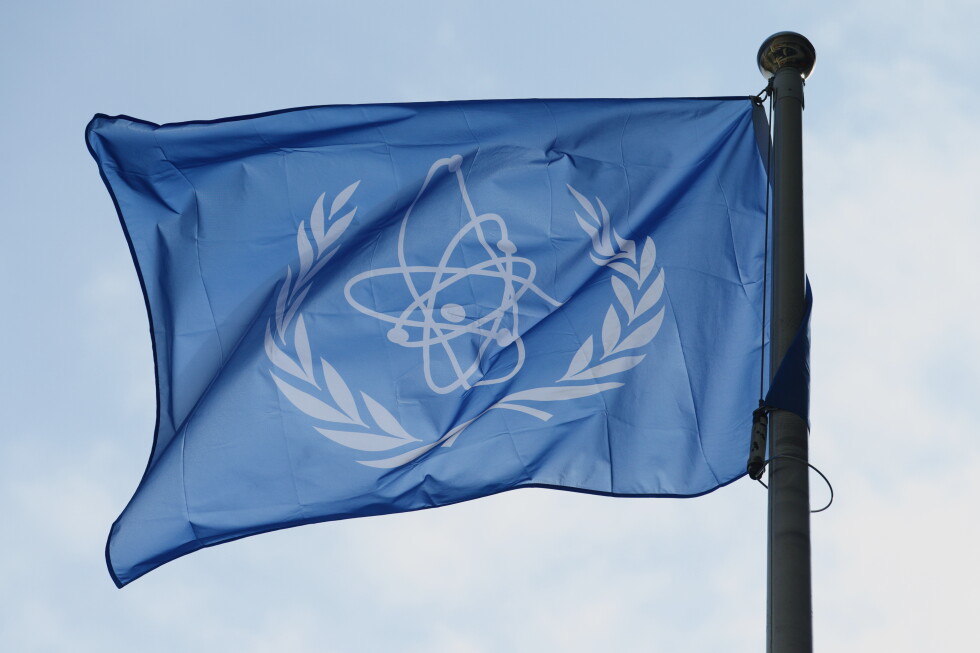
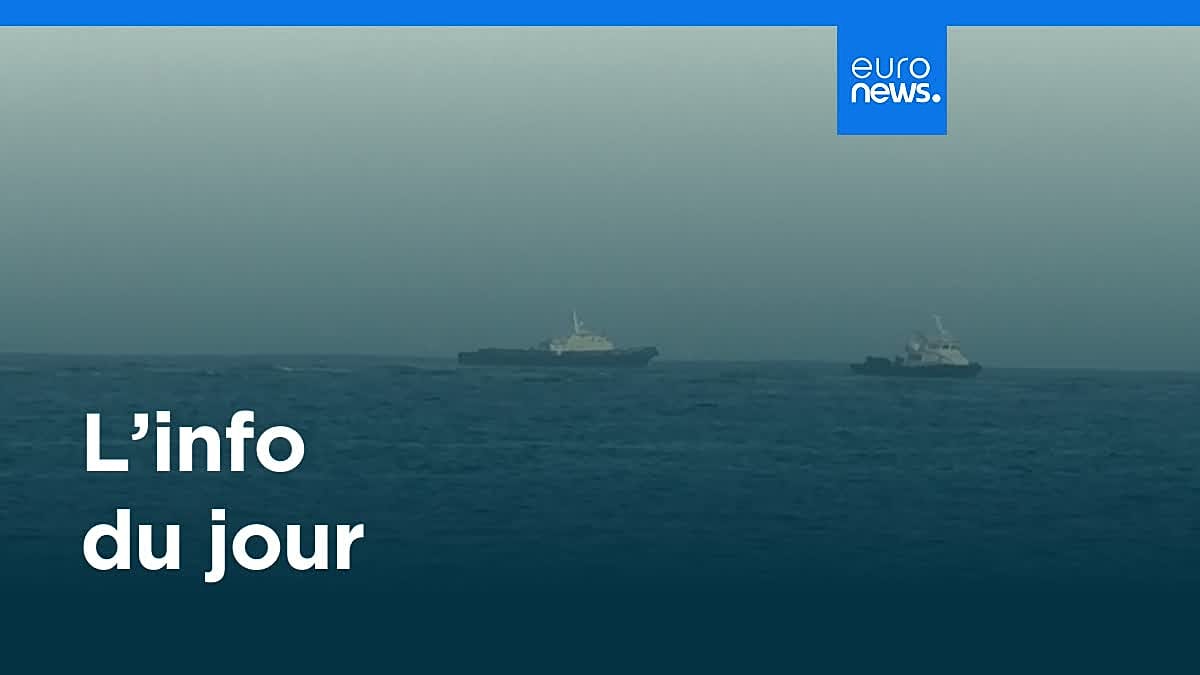
Qatari mediators have travelled to Tehran as the United States and Iran move toward a possible memorandum that could extend the ceasefire, reopen the Strait of Hormuz and create a 60-day window for nuclear and sanctions talks. Pakistani and regional officials say the text is close, while U.S. President Donald Trump and Pakistani Prime Minister Shehbaz Sharif have signalled a Sunday signing. Iran's foreign ministry says the deal may need more time, which leaves the timing unresolved. The core bargain remains narrower than Washington and Israel first sought: it appears to pause the war and open shipping before settling Iran's enriched-uranium stockpile, frozen assets and regional proxy issues. The International Atomic Energy Agency says Iran's nuclear programme remains a verification problem, so any agreement will be judged less by the signing ceremony than by access, sequencing and enforcement.
Verified by Validiris·📚 8 sources·🧠 AI-checked·🇧🇪 Belgian: MediumWhy you can trust this
Trump's America: From the First Term to Now
A living dossier on Donald Trump's political project, from the 2016 victory through the post-2020 contested period to his return to the White House in January 2025 — and the political, legal, economic and institutional consequences still unfolding.
About this story
Shehbaz Sharif (Pakistan's prime minister since 2024) has positioned Islamabad as a mediator between Washington and Tehran. Esmail Baghaei (Iran's foreign ministry spokesperson) is the official voice cautioning that the memorandum is not yet final. Qatar (Gulf state and frequent mediator in regional conflicts) sent envoys to Tehran for final contacts. The Strait of Hormuz (narrow waterway between Iran and Oman) is a critical route for Gulf oil and gas exports. The International Atomic Energy Agency, or IAEA (UN nuclear watchdog based in Vienna), monitors nuclear safeguards and uranium stockpiles. The G7 (Group of Seven industrial democracies) is expected to discuss the maritime and diplomatic fallout. Hezbollah (Iran-backed Lebanese armed movement and political party) matters because Iran wants the Lebanon front considered. The JCPOA (2015 Iran nuclear deal) is the collapsed benchmark against which any new U.S.-Iran arrangement is being compared.
How to read this story
The history
The proposed memorandum sits in the shadow of the JCPOA, the 2015 Iran nuclear agreement endorsed through UN Security Council Resolution 2231 and later weakened after the U.S. withdrawal announced by the Trump administration in 2018. In June 2025, Israeli and U.S. strikes on Iranian nuclear sites turned the nuclear dispute into a direct military crisis. The IAEA said in March 2026 that diplomacy was the only durable route to assurance that Iran would not acquire nuclear weapons. The April 2026 ceasefire reduced fighting but did not resolve verification, sanctions relief or maritime security.
The geopolitics
The draft reflects a shift from maximalist war aims toward crisis management. Washington wants to end an unpopular and economically disruptive conflict without appearing to concede on nuclear material. Tehran wants relief and recognition of security interests. Pakistan and Qatar gain diplomatic weight, while Israel faces the possibility that the war ends before its preferred strategic objectives are fully met.
Why now
The story is timely because U.S. and Pakistani leaders indicated a Sunday signing while Iran publicly slowed expectations. Qatari mediators' arrival in Tehran suggests the final obstacle is no longer whether talks exist, but whether the parties can align timing, wording and implementation.
What to watch
Watch for a signed memorandum, an Iranian confirmation rather than only U.S. or Pakistani statements, the start of technical nuclear talks, any Hormuz demining plan at the G7, and Israel's military posture in Lebanon after the deal is announced or delayed.
International angle
The centre of gravity is international: a U.S.-Iran understanding would affect Gulf security, Israeli calculations, Lebanon's conflict dynamics, global shipping and EU energy policy. Europe is not the mediator of record, but EU governments and institutions will have to respond to sanctions sequencing, maritime security and nuclear verification if the deal advances.
What this means for you
Belgian readers should expect volatility rather than instant relief. Fuel and energy prices may react quickly to signing news, but shipping, insurance and fertiliser costs may take longer to normalise. Businesses exposed to transport or petrochemicals should follow implementation signals, not just the headline announcement.
What happens next
The next step is whether Iran accepts the memorandum timetable and whether a remote signing actually occurs. If it does, technical talks are expected to define nuclear-material handling, sanctions sequencing, frozen assets and maritime clearance. G7 discussions are also expected to address Hormuz demining and a possible security arrangement around the waterway.
Potential consequences
If the memorandum holds, energy markets could price in lower risk and governments may gain time to rebuild a nuclear-verification channel. If it fails, Hormuz uncertainty could return quickly, with higher fuel, shipping and fertiliser costs feeding inflation. A weak deal could also leave Israel, Iran-linked groups and U.S. domestic opponents testing the ceasefire's limits rather than consolidating it.
Opposing perspectives
- U.S. administration
U.S. officials frame the memorandum as a practical sequence: stop the fighting, reopen Hormuz, then use a 60-day technical process to remove or neutralise Iran's enriched uranium. Their strongest argument is that a phased deal gives Washington enforcement leverage while reducing immediate energy and military risks.
- Iranian government
Iran's foreign ministry says the timing is not settled and Tehran wants a broader package, including frozen funds and the Lebanon front. Its strongest case is that Iran should not concede nuclear or regional leverage before sanctions relief, security guarantees and the status of allied fronts are clarified.
- Israeli government
Israel's government is described by officials familiar with the talks as disappointed by a process from which it has been largely sidelined. Its strongest argument is that a ceasefire-first memorandum may leave Iran's missile network, uranium stockpile and support for armed allies insufficiently constrained.
- IAEA and non-proliferation specialists
The IAEA's public position is that verification access is essential and diplomacy is the route to long-term assurance. The strongest technical concern is that any political announcement has limited value unless inspectors can account for nuclear material and monitor agreed limits in practice.
Timeline
- 2015-07-14·Iran and world powers concluded the JCPOA nuclear agreement.
- 2018-05-08·The Trump administration announced the U.S. withdrawal from the JCPOA.
- 2025-06-13·Israel launched strikes on Iran, opening the 2025 escalation around nuclear facilities.
- 2026-03-02·The IAEA director general urged restraint and a return to diplomacy during the Iran crisis.
- 2026-04-07·A fragile U.S.-Iran ceasefire came into effect, according to reports on the negotiations.
- 2026-06-13·Trump and Shehbaz Sharif signalled that a memorandum could be signed on Sunday.
- 2026-06-14·Qatari mediators travelled to Tehran while Iran signalled the timing remained unresolved.
Glossary
- IAEA
- The International Atomic Energy Agency, the Vienna-based UN nuclear watchdog responsible for safeguards inspections and nuclear verification.
- JCPOA
- The 2015 Iran nuclear agreement that limited parts of Iran's nuclear programme in exchange for sanctions relief.
- Strait of Hormuz
- A narrow Gulf waterway between Iran and Oman that is a major route for internationally traded oil and gas.
- G7
- A forum of major industrial democracies: Canada, France, Germany, Italy, Japan, the United Kingdom, the United States and the EU.
Related to this story
Live connections from the Belgium Impulse ecosystem — not recommendations.
This briefing was prepared with AI assistance and reviewed by a Belgium Impulse editor before publication. methodology.