
LOST PROPERTY · Reporting
NMBS will now post lost property to owners for 15 euros
The Belgian rail operator is moving its lost-property service to the iLost platform already used by De Lijn. Travellers can claim items online and have them sent home for 15 euros.
Published: · Content updated:
Based on: VRT NWS

Saved articles and followed stories stay in this browser. No account sync or notifications.
In 30 seconds
NMBS is moving its lost-property service to the iLost platform, letting travellers claim items online and, for the first time, have them posted home for 15 euros.
- Travellers get an overview of all found items on iLost and can claim their own belongings there, instead of filling in a form and waiting.
- Collecting an item at the station where it was handed in remains free; posting it costs 15 euros including shipping.
- Items that reach the central depot can no longer be picked up there, only posted.
- Found items are kept for a maximum of 35 days; unclaimed items are then donated to Spullenhulp.
Sources: VRT NWS
What it means
What’s at stake
For the many travellers who lose belongings on Belgian trains, the change offers a way to recover items without returning to a station, but it also introduces a cost: once an item reaches the central depot, the only way to get it back is to pay 15 euros for postage. Acting quickly matters, as free collection at the station depends on reporting the item within seven days of it being found. Unclaimed items leave the system after 35 days.
Sources: VRT NWS
What to do
If you lose something on a train or in a station, search and claim it on iLost, adding details such as what a bag contains to speed up verification. Report it within seven days of it being found and it stays at the station for thirty days, where collection is free. Otherwise it goes to a central depot and can only be posted, for 15 euros. After 35 days unclaimed items go to Spullenhulp.
Sources: VRT NWS
Context
Background
Until now, NMBS travellers who left something behind on a train or in a station had to fill in a form and then wait to see whether railway staff found a matching item. Owners could collect found items at the station where they had been handed in, and items moved to a central depot could still be picked up there. The new system keeps free collection at the station but ends collection at the depot. The platform NMBS is switching to, iLost, is not new in Belgian public transport: according to VRT NWS, the Flemish public transport company De Lijn has been using it for several years.
Sources: VRT NWS
The wider picture
NMBS is Belgium's national railway company, while De Lijn is a state-owned enterprise run by the Flemish Government that provides bus and tram transport in Flanders. Both are seen as important tools for reducing traffic congestion. By adopting the iLost platform that De Lijn already uses, NMBS brings its lost-property service in line with one that many public transport users in Flanders may already know.
Sources: VRT NWS · Wikipedia: National Railway Company of Belgium (Background reference) · Wikipedia: De Lijn (Background reference)
Why now
NMBS announced the switch to iLost on 19 November 2026, introducing for the first time the option of having lost items posted to their owners for 15 euros.
Sources: VRT NWS
How we got here
De Lijn is founded after the public transport companies of Antwerp and Ghent merge with the Flemish part of the NMVB.
NMBS announces it is switching to the iLost platform and will post lost items to owners for 15 euros.
Sources: Wikipedia: De Lijn (Background reference) · VRT NWS
Reporting
A new platform for lost items
Belgian rail operator NMBS announced on 19 November 2026 that it is switching to the iLost platform to return items that travellers leave behind on trains or in stations, VRT NWS reported. The system, which the Flemish public transport company De Lijn has already been using for several years, also allows lost items to be posted to their owners for the first time, at a cost of 15 euros.
Reporting
Claiming items online
According to VRT NWS, the main change for passengers is that iLost gives them an overview of all items that have been found and lets them claim their own belongings directly on the platform. Until now, travellers had to fill in a form and then wait to see whether railway staff came across a matching object. To make sure the person claiming an item is its rightful owner, the operator will ask for additional details. The company said someone claiming a backpack could, for example, describe what is inside it or the colour of the lunchbox it contains, adding that the more information a traveller provides, the faster an employee can confirm the item really belongs to them.
Reporting
Station pick-up and postage
Some things stay the same. As before, owners can collect their item free of charge at the station where it was handed in. It remains there for thirty days, provided the owner reports it within seven days of it being found, VRT NWS reported. If that does not happen, the object is moved to a central depot. Unlike in the past, items can no longer be picked up there; they can only be sent by post, for 15 euros including shipping costs. Travellers can also have an item posted from the station at the same price.
Reporting
What happens to unclaimed items
Found items are kept for a maximum of 35 days. Anything that has not been claimed by then is donated to Spullenhulp, according to the announcement. The available reporting does not specify where the central depot is located or how quickly posted items are expected to reach their owners.
Analysis
Why it matters
The scale of the issue helps explain the change: about 40000 lost items were found on trains and in stations last year, VRT NWS reported. By moving to iLost, the rail operator aligns its lost-property service with the one De Lijn passengers already know, and gives travellers a way to retrieve belongings without returning to the station. It is not yet known how many of those items were eventually returned to their owners, or whether the new shipping fee will change how often passengers claim them.
Understanding the story
What the main actors are doing
Reported positions, summarised — not direct quotations
NMBS
The rail operator is launching a new system for returning items left on trains or in stations, moving to iLost, asking claimants for extra details to verify ownership and charging 15 euros to post items.
Sources: VRT NWS
De Lijn
The Flemish public transport company has already been using the iLost platform for several years, according to VRT NWS; NMBS is now adopting the same platform.
Sources: VRT NWS
Key terms
- iLost
- An online lost-property platform where travellers get an overview of all found items and can claim their own belongings; used by De Lijn and now by NMBS.
- NMBS/SNCB
- The abbreviations used by Belgium's national railway company: NMBS in Dutch and SNCB in French. The company formally styles itself NMBS/SNCB.
Sources: VRT NWS · Wikipedia: National Railway Company of Belgium (Background reference)
People, places and institutions
- NMBSBelgium's national railway company, which announced the new lost-property system.
- De LijnFlemish public transport company that has used iLost for several years.
- iLostThe platform NMBS is switching to for lost property.
- SpullenhulpReceives found items that remain unclaimed after 35 days.
Sources: VRT NWS · Wikipedia: National Railway Company of Belgium (Background reference)
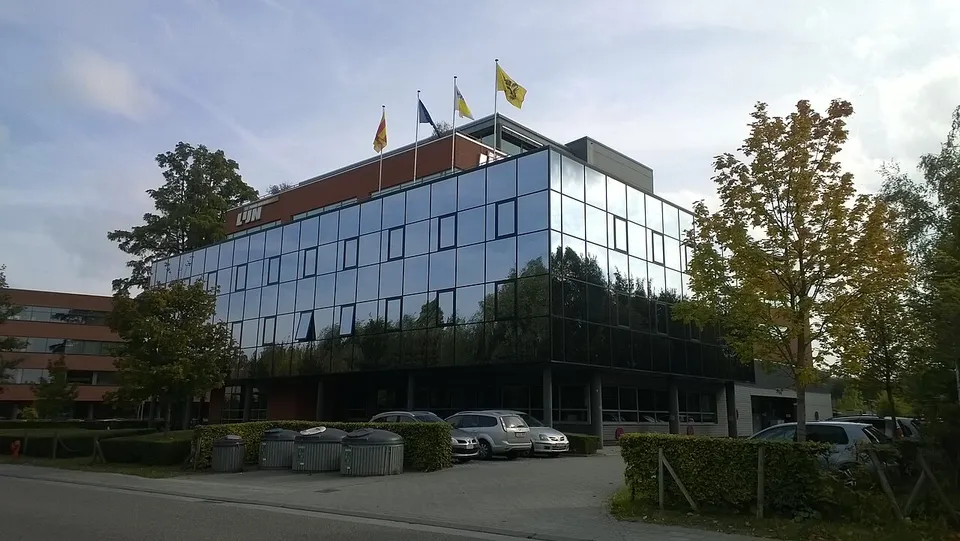
People, places and organisations in this story
File pictures of subjects named in the article, not pictures of the events reported.
Sources and factual attribution (1)
- NMBS stuurt verloren voorwerpen nu ook op naar eigenaar | VRT NWS Nieuws — VRT NWS
Dated report by VRT NWS used for the facts attributed to it.
Source publication date: . Consulted: .
Supports
NMBS is switching to the iLost platform for lost property, a system De Lijn has used for several years.
VRT NWS: NMBS stuurt verloren voorwerpen nu ook op naar eigenaar | VRT NWS NieuwsFound items can now be posted to their owners for 15 euros, including shipping costs.
VRT NWS: NMBS stuurt verloren voorwerpen nu ook op naar eigenaar | VRT NWS NieuwsOn iLost, travellers see an overview of all found items and can claim their item themselves; previously they had to fill in a form and wait.
VRT NWS: NMBS stuurt verloren voorwerpen nu ook op naar eigenaar | VRT NWS NieuwsThe rail operator asks for extra details, such as the contents of a backpack, to check that the claimant is the rightful owner.
VRT NWS: NMBS stuurt verloren voorwerpen nu ook op naar eigenaar | VRT NWS NieuwsItems can still be collected free of charge at the station for thirty days if reported within seven days; otherwise they go to a central depot from which they can only be posted.
VRT NWS: NMBS stuurt verloren voorwerpen nu ook op naar eigenaar | VRT NWS NieuwsFound items are kept for a maximum of 35 days and then donated to Spullenhulp if unclaimed.
VRT NWS: NMBS stuurt verloren voorwerpen nu ook op naar eigenaar | VRT NWS NieuwsLast year, about 40000 lost items were found on trains and in stations.
VRT NWS: NMBS stuurt verloren voorwerpen nu ook op naar eigenaar | VRT NWS Nieuws
How this article was prepared
Revisions and corrections
No corrections recorded.
- First version · 1 —
First publication.