Kennedy Center removes Trump’s name after federal court order
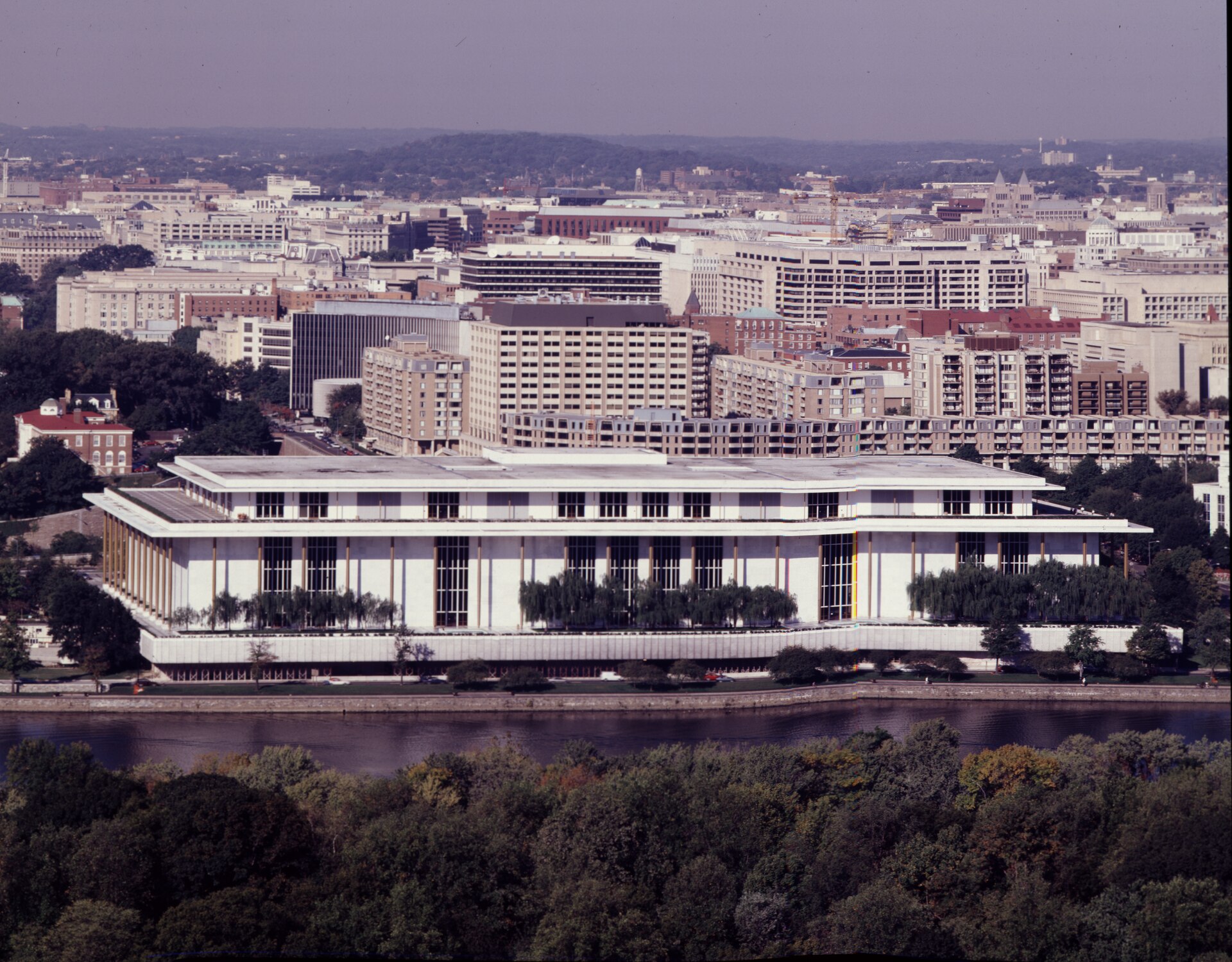
The John F. Kennedy Center for the Performing Arts removed Donald Trump’s name from its Washington facade after a federal court order required the institution to reverse a board-approved rebranding. In a court filing, Kennedy Center executive Matt Floca said the board and the centre had removed physical signage that purported to rename the building after Trump. U.S. District Judge Christopher Cooper had ruled in May that the Kennedy Center’s governing statute designates the building for John F. Kennedy and that the board could not change that formal name on its own. The same decision temporarily blocked a planned two-year closure for renovations after the court found the board had not properly weighed its statutory responsibilities. The dispute now shifts from the facade to appeal proceedings and to the broader question of how far a sitting president can reshape publicly backed cultural institutions.
Trust & Evidence📚 6 sources· ✓ Editor reviewed· 🧠 AI-checked· Trust status: not yet independently verifiedView evidence & verification Hide
Verification record
- 📚 6 verified sources — Al Jazeera - Donald Trump’s name removed from Kennedy Center · Associated Press - Trump’s name is gone from the Kennedy Center’s facade after court rulings · The Guardian - Workers remove Trump’s name from Kennedy Center after court rulings · U.S. Code, 20 U.S.C. § 76i - John F. Kennedy Center for the Performing Arts …
- 🧠 High confidence — AI-checked, editor-approved
- 🇧🇪 Belgian impact: Low
- 📜 Provenance recorded & timestamped
Evidence is generated from the OIS evidence chain and reviewed before appearing on Belgium Pulse.
Powered by OIS / Evidentia
Trump's America: From the First Term to Now
A living dossier on Donald Trump's political project, from the 2016 victory through the post-2020 contested period to his return to the White House in January 2025 — and the political, legal, economic and institutional consequences still unfolding.
About this story
The John F. Kennedy Center for the Performing Arts (Washington performing arts complex opened in 1971 and legally designated as a memorial to President John F. Kennedy) is one of the United States’ most visible national arts venues. Donald Trump (U.S. president, returned to office in 2025) became Kennedy Center chair after replacing trustees and backing a rebrand. John F. Kennedy (U.S. president assassinated in 1963) is the figure Congress chose to memorialise when it renamed the former National Cultural Center in 1964. Joyce Beatty (Democratic U.S. representative from Ohio and ex officio Kennedy Center trustee) brought the legal challenge. Christopher Cooper (U.S. District Judge for the District of Columbia) issued the order requiring the name removal. Matt Floca (Kennedy Center executive director and chief operating officer) certified compliance to the court. The Congressional Research Service (nonpartisan research arm of the U.S. Congress) provides background on how Congress handles commemorative naming and memorial legislation.
How to read this story
The history
The statutory background predates Trump by decades. The National Cultural Center Act was signed in 1958, and Congress amended the law in 1964 to designate the building as the John F. Kennedy Center for the Performing Arts after Kennedy’s assassination. The centre opened in 1971. The Congressional Research Service’s 2025 report on commemorations explains that Congress has long used legislation to name public buildings and memorialise people or events, while later rules tried to reduce excessive commemorative measures. Against that history, Cooper’s ruling treated the name not as a branding choice but as a congressional designation.
Why now
The story became timely because the court’s compliance deadline arrived in mid-June and the Kennedy Center filed a declaration saying Trump-related signage had been removed after last-minute efforts to delay the order failed.
What to watch
Watch for appeal filings, any congressional proposal concerning the centre’s name or ownership, and the Kennedy Center’s summer programming decisions after the court blocked the planned closure. The durability of the ruling will depend on what higher courts do next.
International angle
The story’s international dimension is institutional rather than geopolitical. It gives European readers a concrete case study in how U.S. courts, Congress and executive-aligned boards contest control over public memory. For Brussels audiences, it also feeds a wider transatlantic conversation about cultural independence, democratic guardrails and the politicisation of national institutions.
What happens next
The next phase is legal and operational. The Kennedy Center board and Trump-aligned lawyers could continue appeal efforts, while the centre must manage programming after the court also blocked the planned two-year closure. Readers should watch whether Congress takes up any ownership, naming or funding proposal and whether artists return to the venue’s calendar.
Potential consequences
The ruling could constrain future attempts by presidents or politically aligned boards to personalize public cultural institutions without explicit legislative authority. It could also deepen uncertainty around the Kennedy Center’s programming, donor confidence and renovation planning while appeals continue. For international observers, the episode may become a reference point in debates over whether cultural institutions can remain nonpartisan when governing boards are remade for political purposes.
Opposing perspectives
- Joyce Beatty and rule-of-law supporters
Joyce Beatty’s statement frames the removal as a restoration of legal limits and public ownership: a national cultural institution created by Congress cannot be turned into a personal monument by a board majority. This view treats the case less as partisan symbolism than as a boundary between statutory authority and presidential self-branding.
- Kennedy Center board and Department of Justice lawyers
The Kennedy Center’s legal filings argued that immediate removal risked confusion and unnecessary disruption if an appeal later succeeded. The strongest version of this view is procedural: the board wanted appellate review before making visible, costly and potentially reversible changes to a landmark’s identity.
- Trump and renovation supporters
Trump’s public statements framed the rebrand and planned closure as part of a broader rescue of a building he described as physically and financially troubled. Supporters of that view would argue that presidential attention, donor energy and major renovation plans could revive an institution they see as underperforming.
Timeline
- 1958-09-02·The National Cultural Center Act was enacted, creating the statutory basis for the future venue.
- 1964-01-23·Congress amended the statute to designate the building as the John F. Kennedy Center for the Performing Arts.
- 1971-09-08·The Kennedy Center officially opened in Washington, D.C.
- 2025-12-18·The Kennedy Center board voted to add Donald Trump’s name to the centre’s public identity.
- 2026-05-29·U.S. District Judge Christopher Cooper ordered Trump’s name removed and temporarily blocked the planned closure.
- 2026-06-13·Matt Floca certified in court that Trump-related physical signage had been removed from the building and grounds.
Related to this story

Live connections from the Belgium Impulse ecosystem — not recommendations.
This briefing was prepared with AI assistance and reviewed by a Belgium Impulse editor before publication. methodology.