How did a Belgian visa dispute nearly derail two Senegalese artists’ European tour?
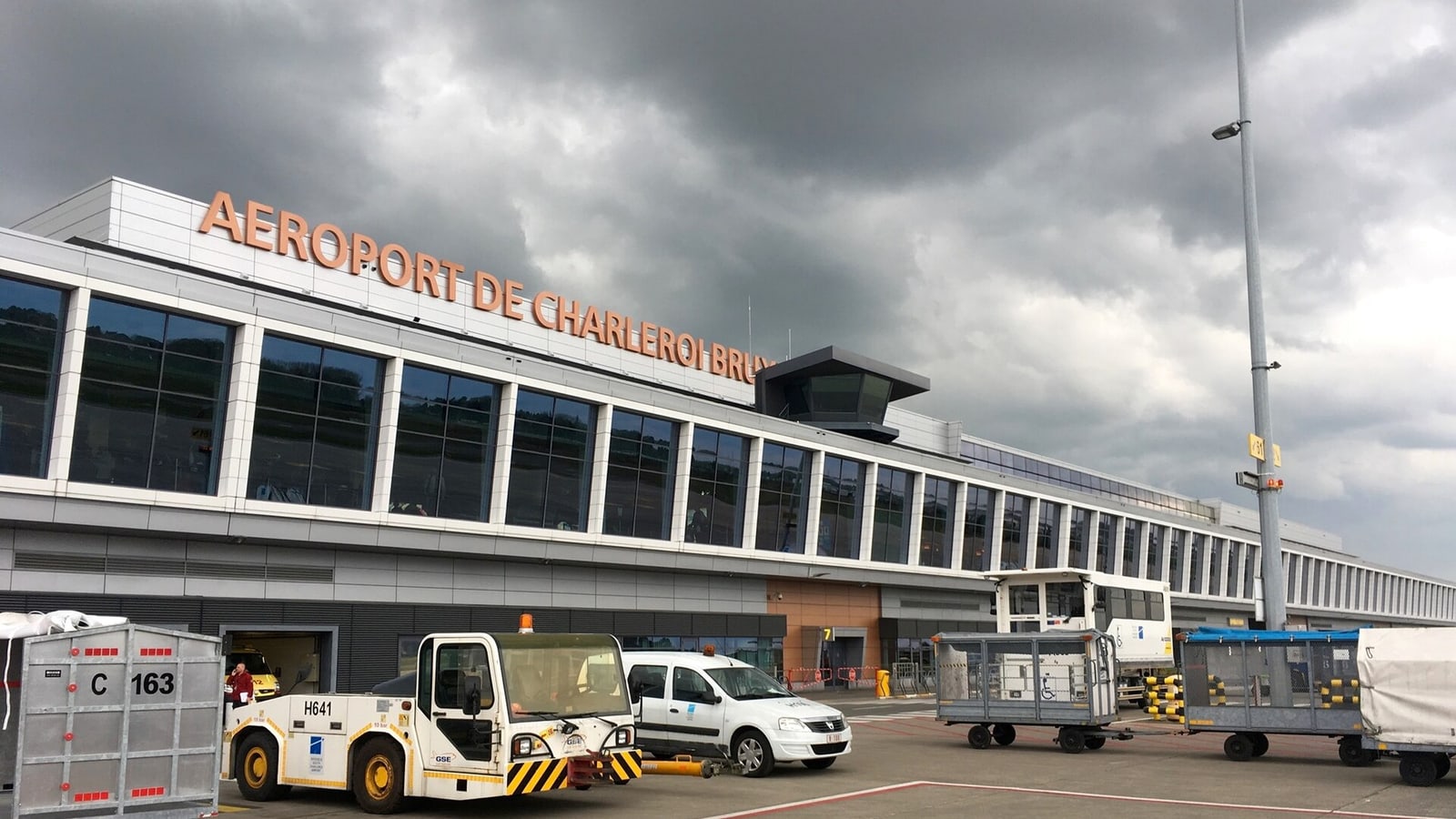
Senegalese performers Astou Ndeye Ndiaye and Seynabou Faye have arrived at Brussels Airport after Belgium approved renewed visa applications, allowing their European tour to proceed despite five cancelled performances.
In 30 seconds
- Astou Ndeye Ndiaye and Seynabou Faye reached Brussels after renewed Belgian visa applications were accepted.
- Five performances and the artists’ appearance at a Charleroi industry showcase were lost during the delay.
- TOF Théâtre identifies Djarama as its Senegalese production partner and WBI and the CITF as supporters.
- La Libre reported that approximately €200,000 had been invested in the collaboration.
Senegalese performers Astou Ndeye Ndiaye and Seynabou Faye arrived at early on Saturday after Belgium approved their renewed visa applications, ending a last-minute dispute that had already cost their Belgian-Senegalese production five performances. La Libre reported that the pair landed at Zaventem at about 05:00, exhausted but able to continue the European tour of the puppet show Keur Mame Boye.
The outcome matters directly to Belgium because the production joins Senegal’s Djarama and Yaak’Art project with TOF Théâtre, a prominent French-speaking Belgian puppet company, and has received support from Wallonie-Bruxelles International and the Commission internationale du théâtre francophone. According to La Libre, roughly €200,000 has been invested in the wider collaboration. The visa delay therefore threatened not only two artists’ livelihoods but a publicly supported cultural project built over several years.
The performers had been expected at the Rencontres Théâtre Jeune Public in Charleroi, an important showcase attended by Belgian and foreign programmers. Their initial refusal, communicated shortly before that event, forced five cancellations and deprived them of a potentially valuable professional introduction. They nevertheless arrived in time to continue towards Le Grand-Bornand in France, where Keur Mame Boye was scheduled for 12 performances at the Au Bonheur des Mômes festival, before further Belgian and French dates.
Belgian political intervention helped unlock the case. La Libre attributed the effort to the offices of Elisabeth Degryse, minister-president of the French Community government and its culture minister, and federal Foreign Minister Maxime Prévot. Degryse’s office said the renewed application was complete, met the legal requirements and was accepted by the Belgian embassy in Senegal. Neither the Immigration Office nor the embassy appears to have issued a detailed public account of what went wrong in the first procedure.
That distinction matters. Belgium’s embassy in Dakar says TLScontact receives many applications as an external service provider, but decisions to refuse entry are taken by Belgium’s Immigration Office, part of the federal interior administration. Applicants may appeal or submit a fresh application. In this case, the available reporting describes the initial refusal as resulting from technical deficiencies that could allegedly have been corrected earlier had the organisers been alerted. The precise deficiency and the authorities’ full reasoning have not been published.
TOF Théâtre presents Keur Mame Boye as a wordless puppet-and-object production for audiences aged five and above, created with young Senegalese artists in Toubab Dialaw. Its story follows an older woman dispensing humorous dental-hygiene advice from her shop. The company says the collaboration is intended to help establish and strengthen theatre for young audiences in Senegal, rather than merely import a finished African production for European stages.
The episode exposes two legitimate but sharply different frames. Belgian immigration authorities are responsible for applying common Schengen rules consistently and assessing each file individually; political urgency cannot replace the legal requirements. TOF Théâtre founder Alain Moreau, by contrast, sees the affair as evidence that administrative systems can obstruct artists whose contracts, hosts and itinerary are already documented. His concern is shared more broadly within European cultural policy: the describes international mobility as essential to artistic careers and acknowledges that visas and other administrative procedures can impede it.
For Belgium, the lesson is institutional as much as cultural. The French Community and Walloon- bodies finance international collaboration, while federal authorities control access to the territory. When those systems do not align, organisers can lose performances, public money and professional opportunities even if a corrected application ultimately succeeds.
Where this is happening
View on map Brussels Airport →Ndiaye and Faye can now resume the tour, but the immediate rescue does not resolve the procedural questions. Organisers will be watching whether the remaining dates proceed, whether the cancelled appearances can be recovered and whether Belgian authorities explain how comparable cases can be handled earlier. The artists reached Brussels; the harder question is whether the route will be less precarious next time.
What to do
For Belgium-based cultural organisers inviting artists from Senegal, the Belgian Embassy in Dakar advises submitting visa applications as early as possible—up to six months before departure. Its guidance warns that TLScontact appointment waits can range from several weeks to three months and that the stated 15-day processing objective may be exceeded when additional examination is required. Organisers should therefore build visa milestones and cancellation contingencies into contracts, tour schedules and budgets. Applicants refused a visa may submit a new application or appeal through the Belgian judicial procedure described in the refusal notice; TLScontact does not make the refusal decision.
The Belgian angle
French-speaking Belgium lost five scheduled performances and the artists’ participation in the Charleroi professional showcase. Wallonia-Brussels cultural organisations also faced the possible loss of a substantial investment in the co-production.
EvidenceWell established · 1 primary source + 2 official documents + 1 independent reporting sourceExplore evidence →Hide evidence ↑
- Published:
- 22 Aug 2026, 02:00
- Retrieved by ODIN:
- 26 Aug 2026
- Publication date unavailable
- Retrieved by ODIN:
- 26 Aug 2026
- Published:
- 17 Apr 2026, 02:00
- Retrieved by ODIN:
- 26 Aug 2026
- Publication date unavailable
- Retrieved by ODIN:
- 26 Aug 2026
Voices & reactions
What the main actors are doing
Reported positions, summarised — not direct quotationsBelgian immigration authorities
Belgium’s official framework treats the case as an individual Schengen visa procedure: an external provider may receive documents, but the Immigration Office assesses legal compliance and takes any refusal decision. From this perspective, cultural importance or political support cannot substitute for a complete application.
TOF Théâtre and cultural-mobility advocates
TOF Théâtre founder Alain Moreau frames the episode as a threat to artists’ freedom of movement and to years of cross-border work. That view stresses the disproportionate cultural and financial damage caused when correctable administrative problems are communicated only after performances become impossible.
The story, connected
Explore the people, places and ideas in this story
Go beyond the headline. Open a card for sourced context, maps, official links and the other subjects connected to this report.
Continue reading

This story was assembled from verified evidence, with its sources and reasoning recorded as it was written.
This briefing was prepared with AI assistance and passed Belgium Impulse source, provenance and publication-quality checks. methodology.