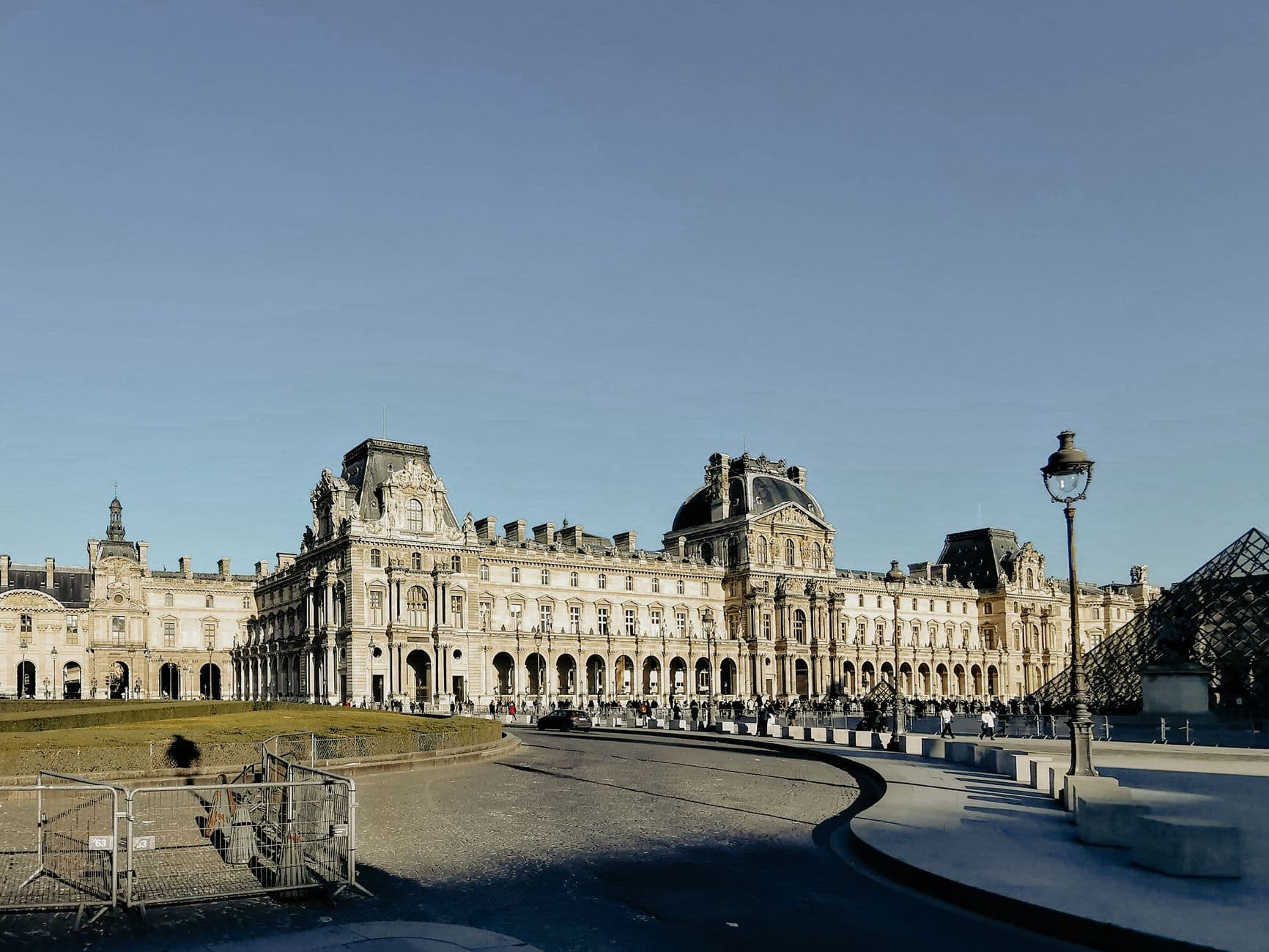
Does the Louvre jewel heist now have a Belgium trail?
Belgian investigators have entered the frame of the Louvre jewel-heist investigation after arrests in Belgium of suspects who reportedly had photographs of the Paris museum on their phones, according to VRT NWS. For a Belgium-based reader, the key point is not that Belgium has been proven to be a command centre for the robbery. It is that a French cultural-crime case may now depend partly on cross-border police work, phone data and possible Belgian transit links. The original robbery remains a French case. On 19 October 2025, thieves used a vehicle-mounted lift to reach the Galerie d'Apollon at the Louvre in Paris and stole eight pieces linked to the French crown jewels. AP, citing Paris prosecutor Laure Beccuau, reported that two suspects later partly acknowledged involvement, that DNA evidence linked suspects to the crime scene or escape vehicles, and that the jewels remained missing. Belgium matters because stolen jewels and cultural goods rarely respect borders. Belgium has federal police units, prosecutors and customs services that can be drawn into mutual legal assistance with France. Antwerp's diamond district is also an unavoidable reference point whenever high-value stones may be dismantled, although there is no public evidence that the Louvre jewels have entered the Belgian diamond trade. That distinction is essential: Belgium is relevant to the investigation, not publicly accused as the destination of the loot. The broader European concern is organised cultural-property crime. Interpol says its Stolen Works of Art database is the main international tool against traffic in cultural property, containing police-certified data on almost 57,000 stolen or missing objects. A separate AP report on a Europol and Eurojust-supported antiquities case in November 2025 showed how cultural goods can move through multi-country networks, with 35 arrests across seven countries and more than 3,000 artefacts seized. For now, the Belgian lead should be read as an investigative development, not a solved case. The practical questions are narrow but important: were the museum photos ordinary tourist images, reconnaissance material, or something else; were the Belgium arrests linked to the Louvre suspects already charged in France; and have Belgian authorities received or executed French judicial requests? Until prosecutors answer those questions, the Belgium trail remains significant but unproven.
Trust & Evidence📚 3 sources· ✓ Editor reviewed· 🧠 AI-checked· Trust status: not yet independently verifiedView evidence & verification Hide
Verification record
- 📚 3 verified sources — VRT NWS · AP News · Interpol
- 🧠 High confidence — AI-checked, editor-approved
- 🇧🇪 Belgian impact: High
- 📜 Provenance recorded & timestamped
Evidence is generated from the OIS evidence chain and reviewed before appearing on Belgium Pulse.
Powered by OIS / Evidentia
About this story
The subject is the investigation into the 19 October 2025 Louvre jewel heist in Paris and a reported Belgian connection after arrests in Belgium of suspects whose phones allegedly contained photographs of the museum. Named stakeholders include the Paris prosecutor Laure Beccuau, French police investigators, Belgian Federal Police and prosecutors, Interpol, Europol, Eurojust, the Louvre Museum, and Belgium's Antwerp diamond sector represented institutionally by the Antwerp World Diamond Centre.
How to read this story
The history
The Louvre has long been a symbol of national patrimony as well as a tourist institution. The 2025 robbery revived memories of earlier museum thefts, including the 1911 Mona Lisa theft and the Louvre's 1998 Corot theft. In Belgium, the context is also shaped by past high-value art and jewel crime, from the 2003 Antwerp diamond heist to Belgian recoveries of stolen artworks, which show why investigators treat cultural-property crime as organised property crime rather than romantic museum folklore.
Regional impact
The Belgian impact is national rather than local. The most relevant Belgian nodes are federal law enforcement and, indirectly, Antwerp's diamond and jewellery ecosystem because dismantled gems can be difficult to trace once separated from historic settings. No public source currently shows that the stolen Louvre jewels passed through Antwerp or any Belgian market.
Local impact
For Belgium, the immediate impact is investigative rather than public-safety related. Belgian residents should expect this to unfold through prosecutors and courts, not through broad public alerts.
International angle
The main story remains international: a French museum robbery with possible cross-border investigative links. France, Belgium, Interpol, Europol and Eurojust are the relevant geographic and institutional frame.
What this means for you
Do not treat possession of museum photos as proof of guilt. For Belgian museums and collectors, the practical lesson is to maintain inventories, photograph valuable objects, review access points and use recognised stolen-art databases when checking provenance.
Opposing perspectives
- VRT NWS Belgian-reader framing
VRT NWS frames the development from the Belgium end: the news value is that suspects were arrested in Belgium and reportedly had museum photos on their phones. That makes the Belgian question legitimate for Flemish readers, but the phrasing remains interrogative rather than a claim that Belgium organised the robbery.
- Paris prosecutor's judicial framing
Paris prosecutor Laure Beccuau's publicly reported framing is narrower: French investigators have charged suspects, linked some evidence by DNA and said the jewels remain missing. This keeps the legal centre of gravity in Paris and treats accomplice networks as an evidentiary question, not a geographic assumption about Belgium.
- EU policing and cultural-heritage framing
Interpol, Europol and Eurojust frame such cases as cross-border cultural-property crime. Their emphasis is on databases, police-certified object identification, searches, seizures and judicial cooperation. That differs from a dramatic heist narrative because the hard work often comes after the robbery, when objects, phones, vehicles and money trails cross borders.
- Belgian diamond-sector caution
Belgium's Antwerp diamond sector is a named stakeholder because high-value stones raise questions about possible dismantling and resale. But responsible Belgian framing should avoid implying that Antwerp is the destination without evidence. The sector operates under compliance and customs scrutiny, and no public source shows the Louvre jewels entered that market.
Related to this story
Live connections from the Belgium Impulse ecosystem — not recommendations.
This briefing was prepared with AI assistance and reviewed by a Belgium Impulse editor before publication. methodology.