Belgium’s heatwave now sits inside a wider European extreme-weather test
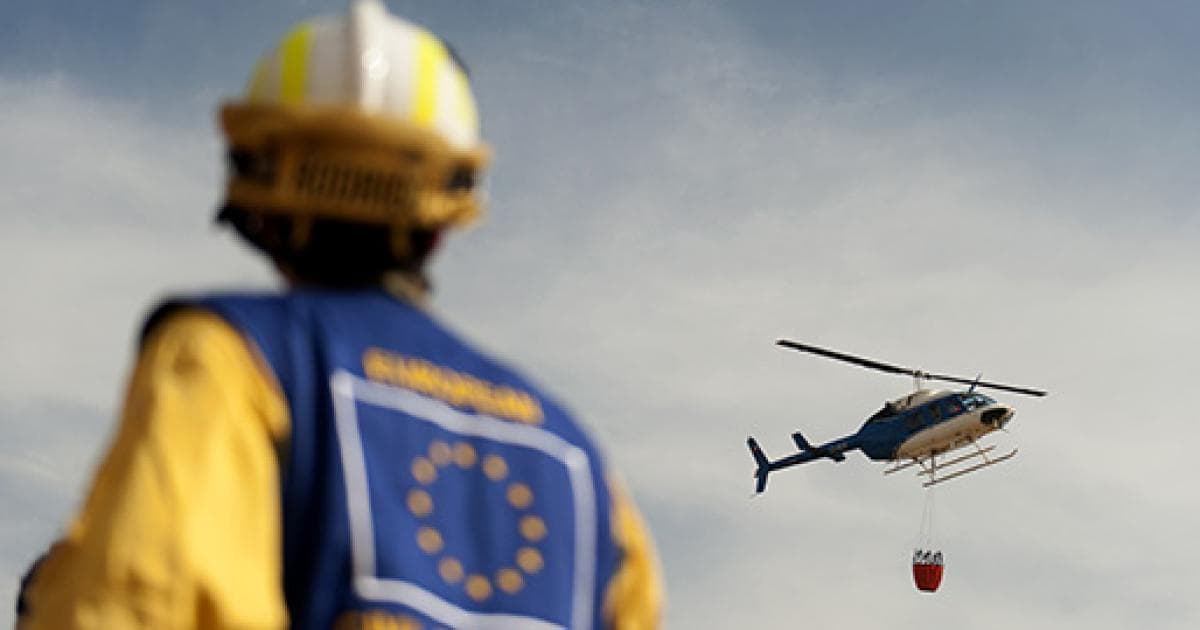
Belgium is moving through a dangerous early-summer heat episode that has already disrupted public events, sport and transport across western Europe, while thunderstorms have added a second layer of risk. For Belgium-based readers, the practical question is immediate: how long the heat lasts, how high the felt temperature becomes, and whether late-day storms turn a health warning into a safety and mobility problem. The Royal Meteorological Institute remains the key reference for Belgian warnings, with regional health actors such as AVIQ in Wallonia, Brussels Environment and the federal public health authorities translating heat into public advice. The European layer is also close to home: the EU’s Emergency Response Coordination Centre, based in Brussels under DG ECHO, monitors major disasters and coordinates assistance when national systems are overwhelmed. This is not only a Belgian heat story. France, Germany, Czechia, Poland and Spain have seen record or near-record conditions, excess deaths, wildfires, transport disruption and emergency-service pressure. Belgium’s role is smaller but concrete: public-event organisers, cycling authorities, municipalities, hospitals, care homes, outdoor workers and commuters are adjusting to a pattern that combines very high apparent temperatures with a rising risk of severe thunderstorms.
Trust & Evidence📚 6 sources· 🧠 AI-checked· Trust status: not yet independently verifiedView evidence & verification Hide
Verification record
- 📚 6 verified sources — La DH · Associated Press · Royal Meteorological Institute of Belgium · European Commission DG ECHO …
- 🧠 Medium confidence — AI-checked
- 🇧🇪 Belgian impact: High
- 📜 Provenance recorded & timestamped
Evidence is generated from the OIS evidence chain and reviewed before appearing on Belgium Pulse.
Powered by OIS / Evidentia
About this story
The subject is an early and intense European heatwave affecting Belgium and neighbouring countries in late June 2026. In Belgium, the operational focus is on IRM/KMI warnings, public-health guidance from federal and regional authorities, event decisions such as the Waterloo reenactment cancellation, and sectoral measures by bodies including Belgian Cycling. The broader European picture includes France’s excess mortality figures, record temperatures in central Europe, and EU civil-protection monitoring from Brussels.
How to read this story
The history
Comparisons with the canicules 1976 2003 are useful but limited. The 1976 heatwave is remembered for duration and drought; 2003 became the European public-health benchmark after tens of thousands of excess deaths across the continent. Today’s episode differs because warning systems, heat-health plans and climate attribution science are more developed, while Europe’s baseline climate is warmer. In Belgium, a climate heatwave is generally understood as at least five consecutive days of 25C or more, including at least three days of 30C or more, but health impacts can occur before a formal climate threshold is reached.
Regional impact
Wallonia and Brussels-Francophone audiences are especially concerned with urban heat, vulnerable residents and storm risk. Dense Brussels neighbourhoods can retain heat overnight, while Walloon municipalities and event organisers must balance tourism, heritage events, sport and public safety. The Waterloo reenactment cancellation shows how heat planning now reaches cultural and historical events, not only schools or care homes.
Local impact
In Brussels and Wallonia, the most immediate local issues are urban heat at night, vulnerable residents, outdoor work, public transport comfort, event safety and storm debris. Municipalities may need cooling spaces, welfare checks and rapid communication if IRM/KMI warnings escalate.
International angle
The heatwave spans western and central Europe, with France, Germany, Czechia, Poland, Spain and the UK all reporting major impacts. Belgium is part of this regional weather system, not an isolated case.
What this means for you
Avoid strenuous activity during the hottest hours, drink before feeling thirsty, check on isolated neighbours, keep homes shaded by day and ventilated when cooler, never leave children or pets in vehicles, and treat thunderstorm warnings as travel and tree-fall risks, not just rain forecasts.
Opposing perspectives
- Belgian public-safety framing
Belgian institutions and organisers frame the episode less as a spectacle of record temperatures than as an operational risk. IRM/KMI warnings, municipal decisions and the Waterloo organisers’ message of “safety first” put emphasis on preventing avoidable harm to participants, volunteers, emergency workers and the public.
- European climate-attribution framing
Climate scientists and European public-health voices frame the episode as part of a changed baseline, not an isolated hot week. World Weather Attribution researchers cited by AP argue such heat is now far more likely because of human-caused warming, while WHO Europe stresses that Europe is the fastest-warming continent.
- Event and sport continuity framing
Sporting bodies and event organisers, including Belgian Cycling and heritage-event organisers, face a different pressure: preserving competition or public programming while adding water, shade, timetable changes or cancellations. Their calculation is practical rather than ideological: heat plus thunderstorms can make normal crowd management unsafe.
Related to this story
Pulse Insight — This topic connects to 10 associations, 3 funding programmes, 89 upcoming events and 1568 jobs through the Brussels ecosystem.
Live connections from the Belgium Impulse ecosystem — not recommendations.
This briefing was prepared with AI assistance and reviewed by a Belgium Impulse editor before publication. methodology.