Can free sport ease the summer burden on families in Cureghem?
Les Gazelles de Bruxelles has reopened its Anderlecht courtyard for free summer activities for children and teenagers aged 6 to 18, offering families in one of Brussels’ lowest-income neighbourhoods an alternative to paid holiday camps.
In 30 seconds
- The free programme serves ages 6 to 18 and is scheduled through 31 August 2026.
- IBSA reported a 28% poverty-risk rate in Brussels in 2023, versus 15% in Wallonia and 8% in Flanders.
- Increased health-insurance reimbursement covered 54% of Cureghem Rosée and 50% of Cureghem Vétérinaire residents in 2023.
- Les Gazelles de Bruxelles is registered as ASBL BE 0555.737.546.
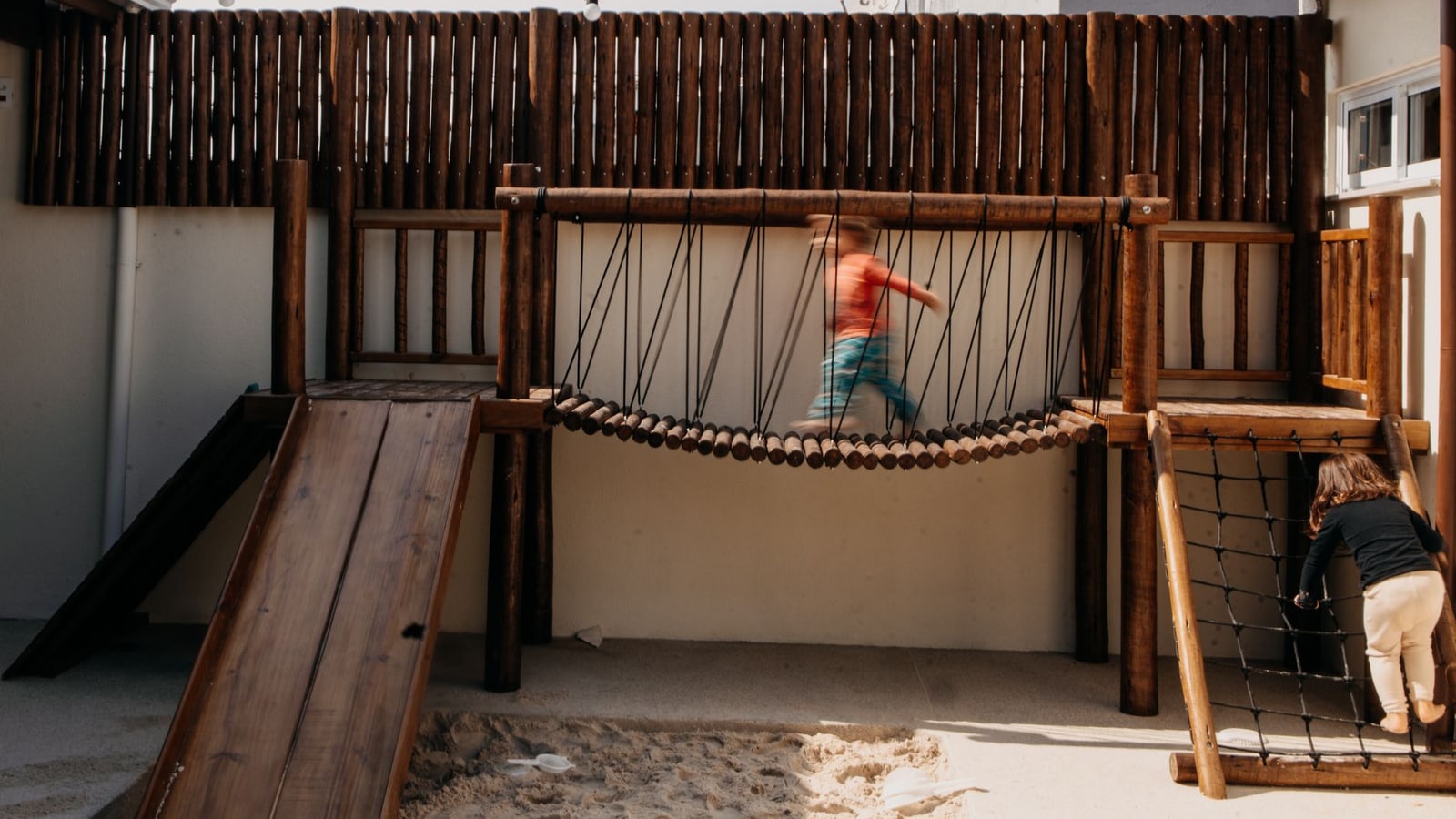
Les Gazelles de Bruxelles has reopened its courtyard at 145 Chaussée de Mons in Cureghem for free summer activities serving children and teenagers aged 6 to 18 until 31 August. The non-profit’s programme, which returned in August after an initial run in July, combines free play with workshops including yoga, dance and boxing. BRUZZ reported on 7 August that the organisation had turned its new premises into a meeting place for young people and neighbours; the official youth-activities directory lists weekday opening hours from 10:00 to 18:00.
The formula is deliberately simple. Children can move, play or spend time in the courtyard while supervisors remain nearby, and an adjoining neighbourhood bar gives parents and other residents somewhere to meet. Les Gazelles says its events are free and open to everyone, although its wider mission is to reach people for whom cost, equipment, language, mobility or confidence make organised sport difficult to access. The summer initiative therefore sits somewhere between a sports programme, informal childcare and community infrastructure.
That combination has concrete economic value for households. Commercial holiday camps can represent a substantial additional expense, especially when several children need places over multiple weeks, while limited availability can force parents to rearrange working hours or rely on relatives. The Cureghem programme does not provide the same contracted childcare service as an accredited holiday centre, and Les Gazelles has not published a monetary estimate of the savings delivered to families. Its free, daytime access nevertheless removes both an admission cost and part of the organisational burden during the long school break.
The local income figures explain why that matters. Brussels’ statistics institute IBSA reported that 28% of the region’s population lived in a household below the poverty-risk threshold in 2023, compared with 15% in Wallonia and 8% in Flanders. A separate administrative indicator shows an even sharper concentration in Cureghem: 54% of residents in Cureghem Rosée and 50% in Cureghem Vétérinaire received Belgium’s on 1 January 2023. The Brussels-wide share was 27%. These measures are not interchangeable, but both point to unusually tight household budgets in the neighbourhood.
Les Gazelles itself is a small economic actor rather than a large sports operator. Registered under Belgian enterprise number BE 0555.737.546, the association describes its work as using sport to strengthen people living in precarious circumstances. It began with accessible running activities and later added programmes such as dance and fitness. Its Cureghem site also accommodates Sportswitch, a second-hand sportswear shop, alongside community activities. The model stretches limited resources by combining subsidised non-profit work, volunteers, donated or reused equipment and a physical neighbourhood base.
That distinguishes the initiative from both fee-paying holiday camps and larger social-sport organisations. BX1 has previously reported, for comparison, that Sport2Be offered about 18 free weekly sessions to almost 2,000 young Brussels residents across several disadvantaged neighbourhoods. Les Gazelles operates on a much smaller scale and has not disclosed how many children attended its courtyard programme in July or how many places remain in August. The absence of attendance, staffing and unit-cost data means its economic reach cannot yet be measured against other providers.
The broader issue is a fragmented market for out-of-school time. Municipal services, community organisations, sports clubs and private operators all provide activities, but their prices, registration systems, languages and capacity differ. Families with flexible work, transport and disposable income can assemble a summer schedule from that patchwork. For households working irregular hours or watching every euro, an activity that is nearby, free and does not require specialist equipment has a different practical value. It can also create breathing room without presenting itself as a complete answer to childcare poverty.
There are reasonable differences over how such provision should develop. Social-sport organisations emphasise informality because it helps reach children who may not join conventional clubs. Parents who need dependable childcare, however, may require guaranteed places, fixed supervision standards and hours aligned with work. Municipal and community funders must meanwhile decide whether to support flexible neighbourhood projects, expand accredited holiday care, or combine the two. Those options serve overlapping but not identical needs.
Where this is happening
View on map Anderlecht →Cureghem’s industrial history and dense, diverse population have long made it an arrival neighbourhood close to Brussels-Midi station and the canal. Today it lies within the capital’s so-called poor crescent, where low incomes and dependence on social assistance are concentrated. The courtyard initiative reveals how modest urban spaces are increasingly being asked to perform several jobs at once: recreation area, social meeting point, preventive youth service and support for household resilience.
The programme is scheduled to continue through 31 August. The immediate questions are practical: how many young people use it, whether demand exceeds available supervision, and whether the courtyard will return next summer. The more important business and policy question is whether Brussels funders can turn successful neighbourhood experiments into dependable provision without stripping away the low-threshold character that makes them accessible. Les Gazelles has demonstrated that a courtyard, some equipment and trusted supervision can fill a real gap; the scale and durability of that contribution remain unquantified.
What to do
Parents or guardians in Brussels seeking low-cost summer activities can consider the free Cureghem programme for children and teenagers aged 6 to 18. The published end date is 31 August 2026, so families should check the organiser’s current timetable, activity details, registration arrangements and availability before travelling. No fee is reported, but capacity has not been disclosed and a place should not be assumed. Readers comparing holiday-care options should also note that the programme offers activities rather than documented full-day childcare.
The Belgian angle
The initiative adds free daytime capacity to Brussels’ uneven holiday-activity market and targets an area where poverty indicators are markedly worse than the regional average. Its overall impact cannot be quantified without attendance and cost data.
EvidenceWell established · 2 primary sources + 2 official documents + 1 independent reporting source · Background sources: 1Explore evidence →Hide evidence ↑
- Published:
- 7 Aug 2026, 02:00
- Retrieved by ODIN:
- 25 Aug 2026
- Publication date unavailable
- Retrieved by ODIN:
- 25 Aug 2026
- Published:
- 1 Jul 2024, 02:00
- Retrieved by ODIN:
- 25 Aug 2026
- Published:
- 1 Mar 2025, 01:00
- Retrieved by ODIN:
- 25 Aug 2026
- Published:
- 17 Jun 2026, 02:00
- Retrieved by ODIN:
- 25 Aug 2026
- Publication date unavailable
- Retrieved by ODIN:
- 25 Aug 2026
Voices & reactions
What the main actors are doing
Reported positions, summarised — not direct quotationsSocial-sport organisations
Community operators favour free, informal and low-registration activities because conventional club fees, equipment requirements and administrative procedures can exclude families facing financial, linguistic or confidence barriers.
Working parents seeking childcare
Families who must cover fixed working hours may need guaranteed places, formal enrolment, clear supervision ratios and opening times extending beyond the working day; an informal drop-in space cannot automatically replace accredited holiday care.
Municipal and community funders
Public funders must balance support for flexible neighbourhood projects against investment in larger, regulated holiday-care services. The two models overlap, but they deliver different levels of certainty, capacity and safeguarding.
The story, connected
Explore the people, places and ideas in this story
Go beyond the headline. Open a card for sourced context, maps, official links and the other subjects connected to this report.
Continue reading
This story was assembled from verified evidence, with its sources and reasoning recorded as it was written.
This briefing was prepared with AI assistance and passed Belgium Impulse source, provenance and publication-quality checks. methodology.