Does your Brussels crèche give children enough time outdoors?
Bruzz and Knack reported outdoor-play shortcomings in inspected Dutch-language Brussels crèches on 9 September 2026. For parents, the practical takeaway is to ask how outdoor play actually happens, then check the nursery’s inspection record.
In 30 seconds
- Bruzz and Knack published their findings on 9 September 2026.
- Opgroeien’s published framework distinguishes outdoor-play access from an adjoining garden.
- The Brussels regional portal provides separate Dutch- and French-language childcare routes.
- Opgroeien’s Kinderopvangzoeker links licensed locations with inspection information.
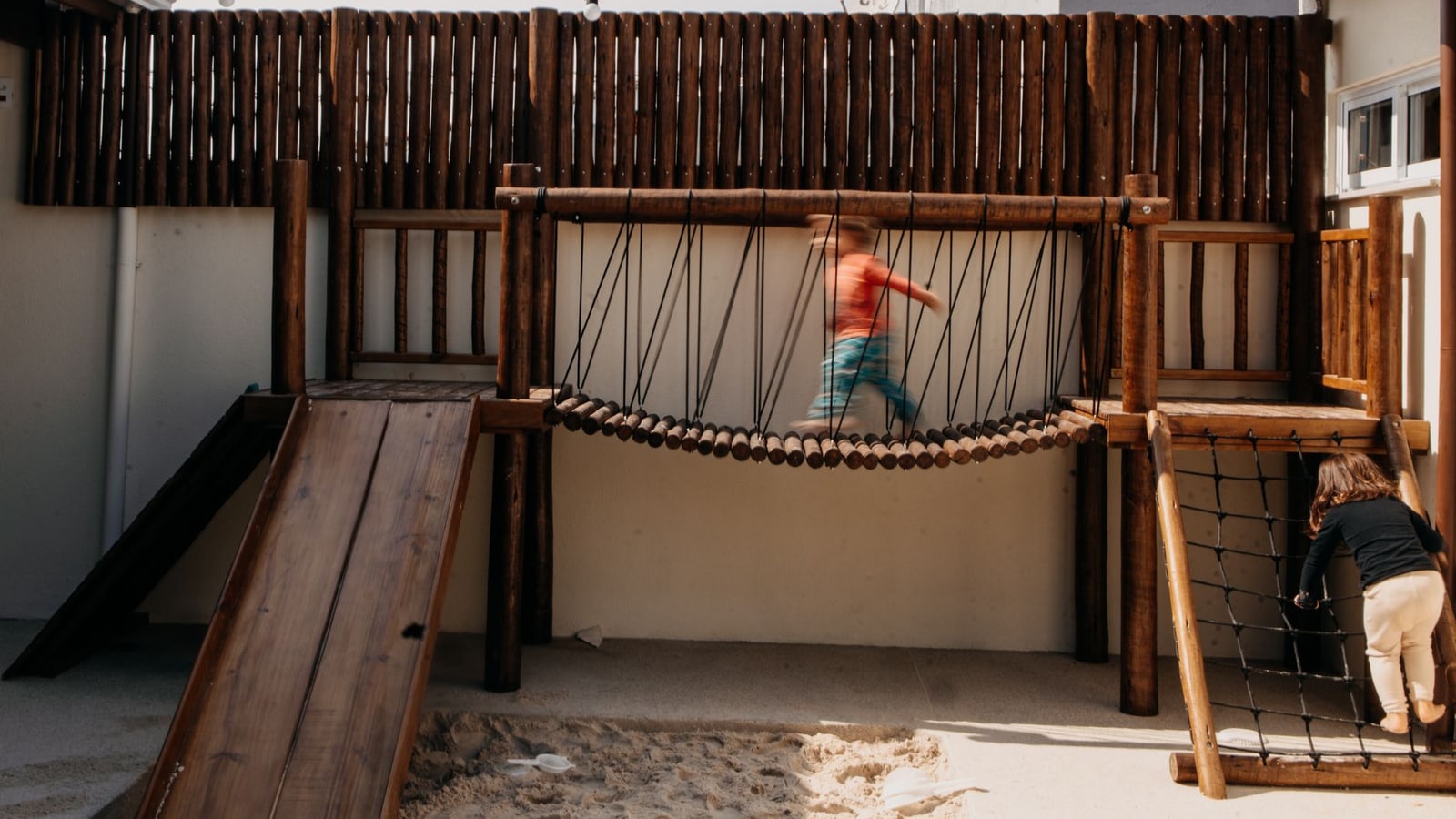
Bruzz and Knack reported shortcomings in outdoor space or outdoor-play provision at Dutch-language Brussels crèches on 9 September 2026, following an analysis of inspection records. For parents choosing childcare, the practical takeaway is straightforward: ask staff to explain when and how children go outside, then check the inspection record. The investigation identifies a quality concern, but a nursery’s garden photograph cannot tell you how a child spends the day. [Bruzz’s reporting](https://www.bruzz.be/actua/samenleving/te-weinig-buitenruimte-brusselse-creches-kinderen-moeten-proeven-wat-sneeuw-2026-09-09) provides the starting point for that conversation.
The distinction between space and practice matters. Opgroeien’s published licensing reference framework calls for sufficient outdoor-play opportunities that children can reach easily and safely, suited to their ages and the number of licensed places. Its explanation recommends an adjoining outdoor area but allows nearby alternatives. That makes the useful question more specific than whether a crèche owns a garden: where can this group of children actually play? These are provisions in the Flemish framework, rather than a statement of the rules for every Brussels nursery. [Opgroeien’s reference framework](https://www.opgroeien.be/sites/default/files/intern/referentiekader-vergunningsbesluit.pdf) explains the distinction.
During a visit, ask the manager to describe a recent ordinary day. Did babies go outside as well as walking toddlers? What happened when it rained? If the destination is a nearby park, ask staff to explain the route, supervision and arrangements for children who cannot walk. Request concrete examples of what children do once they arrive. These questions are suggestions for assessing daily practice, rather than an additional official checklist.
There is a revealing example in Uccle/Ukkel. Prutske director Martine De Varé told Bruzz that every child there goes outside at least once each day throughout the year. Her approach illustrates what parents should seek to understand: an established routine, with staff able to explain how it works. It is an example from the reporting, not an independently inspected recommendation by Belgium Pulse.
For families unfamiliar with Brussels institutions, first establish which authority oversees the nursery. The Brussels regional portal directs parents towards the Vlaamse Gemeenschapscommissie’s Kinderopvang in Brussel service for Dutch-language provision and the Office de la Naissance et de l’Enfance, or ONE, for French-language provision. Ask about the language used with children and the language available for parent meetings separately. A clear conversation about outdoor routines should not depend on a parent understanding administrative Dutch or French perfectly. The [regional childcare portal](https://be.brussels/nl/hulp-sociaal-gezondheid/online-diensten-om-u-te-helpen/kinderopvang) links to both systems.
A concrete municipal example helps. As checked on 9 September 2026, the City of Brussels directs applications for its Dutch-language crèches through kinderopvanginbrussel.be. Its French-language application route includes BeKid and requires an ONE pre-registration number. The city also says families can arrange visits with their selected nurseries after receiving a waiting-list dossier number. These are City of Brussels procedures; families dealing with another commune, or gemeente, should check that provider’s process. The city’s [registration page](https://creches.brussels.be/nl/inschrijvingen) sets out the steps, while its [Early Childhood service](https://www.brussel.be/creches-van-de-stad-brussel) lists assistance on 0800 17 071 and its Brucity address at Hallenstraat 4.
Inspection information adds another layer. Opgroeien describes its Kinderopvangzoeker as a source of licensed addresses and inspection reports. It explains that Zorginspectie carries out inspections, while Opgroeien handles licensing and assesses the findings. Search for the exact location, read the dates and ask the manager what has changed since any shortcomings were recorded. The agency’s [guide to institutional responsibilities](https://www.opgroeien.be/aanbod/kinderopvang/wie-doet-wat) also identifies Opgroeipunt as its route for reports and complaints.
This visibility has a history. VRT NWS reported on 19 December 2022 that the Flemish authorities had begun publishing childcare inspection reports online, following demands for greater transparency. Opgroeien subsequently explained that its search tool brings together inspection information and enforcement records, and that providers must inform parents about reports and measures affecting them. The practical lesson is to read a finding alongside its follow-up: an old report alone cannot establish what happens today. [VRT’s account](https://www.vrt.be/vrtnws/nl/2022/12/17/inspectierapporten-van-de-kinderopvang-openbaar/) and [Opgroeien’s explanation](https://pers.opgroeien.be/kinderopvangzoeker-is-cruciale-informatiebron-voor-ouders-van-babys-en-peuters-op-zoek-naar-opvangplek) trace that change.
The broader issue is how childcare turns urban space into something children can use. Brussels Environment’s Gids Natuuropvang offers practical and pedagogical advice drawn from five Brussels pilot nurseries, supported by Apis Bruoc Sella and developed with ONE. It addresses planting, ecological maintenance and sensory experiences. Its value for parents is as a conversation starter: ask what an existing courtyard could offer, which improvements staff consider feasible, and who would maintain them. The [regional environment agency’s guide introduction](https://leefmilieu.brussels/blog-pro/praktische-tips/tover-de-buitenruimte-van-je-kinderdagverblijf-om-tot-een-groene-speelplek) connects physical changes with how staff use the space.
Parents can take that discussion further without turning a visit into an interrogation. Ask what clothing to provide, how outdoor plans accommodate an individual child’s needs, and how the nursery communicates cancelled outings. If improvements are promised, ask for a realistic timetable and a later update. The sources reviewed establish a problem and useful ways to investigate it; they do not establish whether every affected nursery has since corrected its shortcomings. The next meaningful evidence will be updated inspection findings and demonstrable changes in children’s daily routines.
What to do
Request a visit, discuss a recent ordinary day, ask how outings include younger or less mobile children, and obtain a timetable for any promised improvements.
The Belgian angle
The issue concerns Brussels childcare directly. Its implications include how providers use their premises and how families assess available places.
EvidenceWell established · 1 primary source + 7 official documents · Background sources: 1Explore evidence →Hide evidence ↑
- Published:
- 9 Sept 2026, 02:00
- Retrieved by ODIN:
- 9 Sept 2026
- Publication date unavailable
- Retrieved by ODIN:
- 9 Sept 2026
- Publication date unavailable
- Retrieved by ODIN:
- 9 Sept 2026
- Publication date unavailable
- Retrieved by ODIN:
- 9 Sept 2026
- Publication date unavailable
- Retrieved by ODIN:
- 9 Sept 2026
- Publication date unavailable
- Retrieved by ODIN:
- 9 Sept 2026
- Published:
- 19 Dec 2022, 01:00
- Retrieved by ODIN:
- 9 Sept 2026
- Published:
- 28 Nov 2023, 01:00
- Retrieved by ODIN:
- 9 Sept 2026
- Publication date unavailable
- Retrieved by ODIN:
- 9 Sept 2026
Continue reading

This story was assembled from verified evidence, with its sources and reasoning recorded as it was written.
This briefing was prepared with AI assistance and passed Belgium Impulse source, provenance and publication-quality checks. methodology.