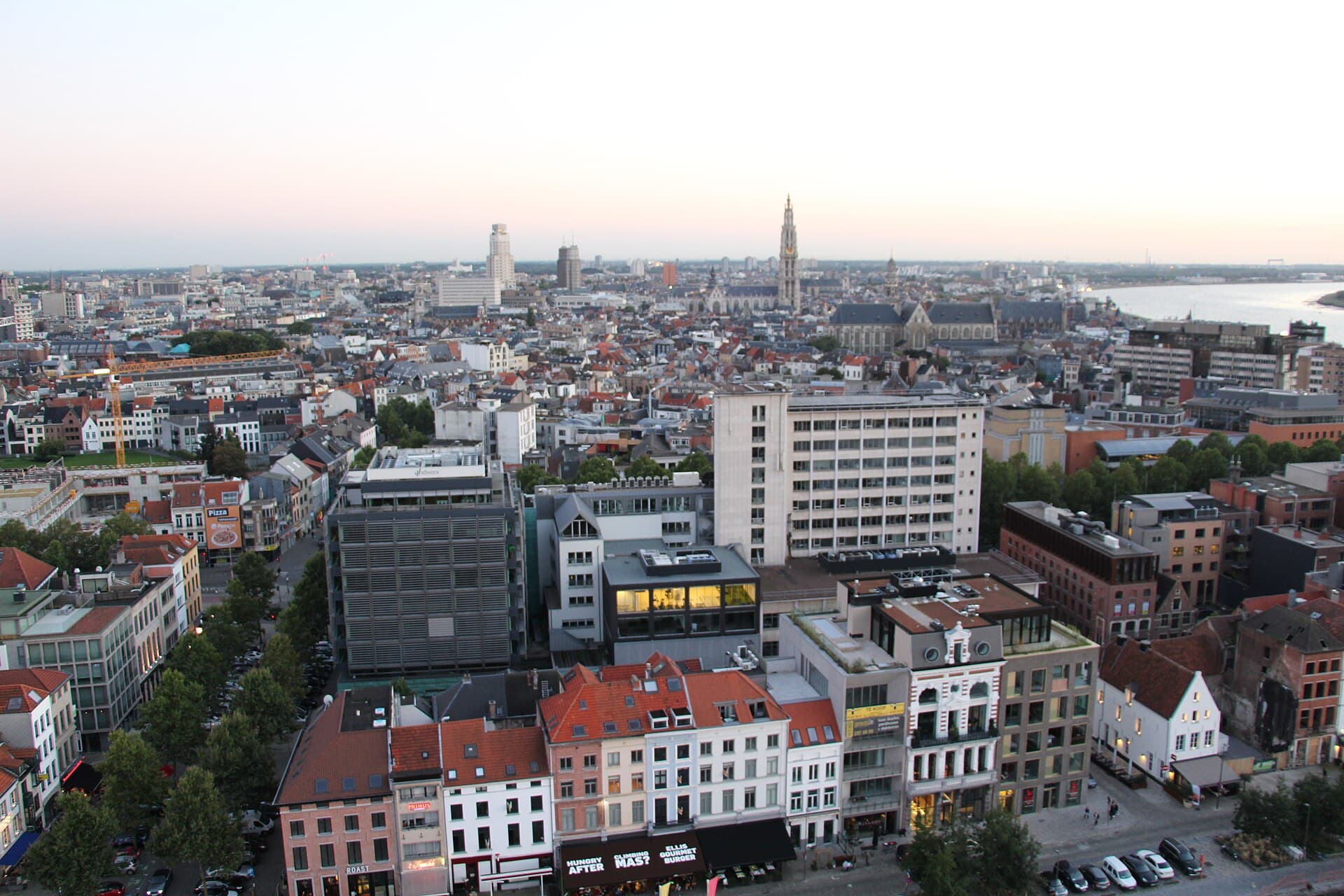
Can Antwerp’s student historians make a 400-year-old city feel present again?
History students in Antwerpen are turning early-modern lives into public-facing stories, using archival work to make the city of the sixteenth century opnieuw leven for today’s residents, students, newcomers and visitors. The project, reported by Het Nieuwsblad, matters beyond a campus exercise: it sits at the meeting point of Flemish higher education, Antwerp’s heritage economy and the European push to make cultural memory more accessible. For Belgium-based readers, the practical question is not only what happened 400 jaar geleden, but who gets to interpret that past now: universities, museums, city authorities, private heritage operators or local communities.
Trust & Evidence📚 6 sources· ✓ Editor reviewed· 🧠 AI-checked· Trust status: not yet independently verifiedView evidence & verification Hide
Verification record
- 📚 6 verified sources — Het Nieuwsblad - geschiedenisstudenten brengen zestiende-eeuws Antwerpen tot leven · Het Nieuwsblad - renovatie kasteel Sterckshof start nog dit jaar · University of Antwerp - History programme and institutional context · Europeana - European digital cultural heritage platform …
- 🧠 Medium confidence — AI-checked, editor-approved
- 🇧🇪 Belgian impact: High
- 📜 Provenance recorded & timestamped
Evidence is generated from the OIS evidence chain and reviewed before appearing on Belgium Pulse.
Powered by OIS / Evidentia
About this story
The central subject is a student-led historical reconstruction project in Antwerp, apparently linked to history education and public history. Its reported aim is to let students connect archival research to people who lived centuries ago, turning sixteenth-century Antwerpen from a textbook setting into a recognisable urban world of traders, craftspeople, religious communities, migrants and institutions. Named stakeholders include history students and lecturers, the University of Antwerp as the likely academic ecosystem, the City of Antwerp’s heritage and tourism services, the Province of Antwerp, DIVA museum, and Flemish heritage authorities. A related local development is the planned renovation of Sterckshof castle in Deurne, another example of Antwerp experimenting with how to make historical sites usable rather than static.
How to read this story
The history
In the sixteenth century, Antwerpen became one of Europe’s great commercial cities after Bruges declined. Its exchange, printing houses, art market and port connected the Low Countries with Iberia, Italy, England, the Baltic and the wider Atlantic economy. That prosperity was fragile. Religious conflict, the Dutch Revolt and the fall of Antwerp in 1585 reshaped the city, sending many skilled residents north and changing the balance between Antwerp and Amsterdam. Any modern project that makes this period accessible should therefore hold together success, cosmopolitanism, violence, exclusion and decline.
Regional impact
The immediate impact is in Antwerp and Flanders: local schools, university students, museums, guides and heritage venues gain reusable stories and methods. It also strengthens Antwerp’s offer to international residents who know the port and diamond district but may not know the city’s early-modern European role.
Local impact
For Antwerp, the practical benefit is a richer local memory infrastructure: better stories for classrooms, heritage walks, museums and expat orientation. The strongest local test is whether residents recognise complexity, not only decorative history.
International angle
Antwerp’s past is inherently international. The sixteenth-century city was linked to Iberian trade, Italian finance, English cloth, Baltic grain, German banking families, printing networks and religious migration. That makes the story relevant to EU workers and international residents who experience Antwerp today as a Belgian city with European depth.
What this means for you
For Belgium-based readers: follow university or city heritage channels for public presentations; use the project as a starting point for visiting Antwerp archives, MAS, DIVA or historic walking routes; and treat immersive heritage claims as invitations to ask what sources, voices and omissions sit behind the story.
Opposing perspectives
- Student public-history framing
The student-facing view, captured in the Dutch line ‘Je maakt een connectie met iemand van 400 jaar geleden’, treats history as an encounter with individual lives. This is a Belgian educational framing: the value lies in making Antwerp’s past legible through people, streets and documents, not in turning the city into a generic Renaissance backdrop for tourists.
- Heritage-entertainment framing
The Sterckshof redevelopment language points in another direction: ‘museaal entertainment’ with the possibility of overnight stays. That view treats heritage as an experience economy, potentially useful for funding and public reach, but different from the university model because atmosphere, hospitality and commercial viability become part of the historical product.
- Institutional heritage framing
Museums, city archives and Flemish heritage bodies usually emphasise preservation, documentation and public access. Their likely concern is accuracy and stewardship: student projects and private venues can bring new audiences in, but the archival record, protected buildings and contested urban histories need professional context.
Related to this story

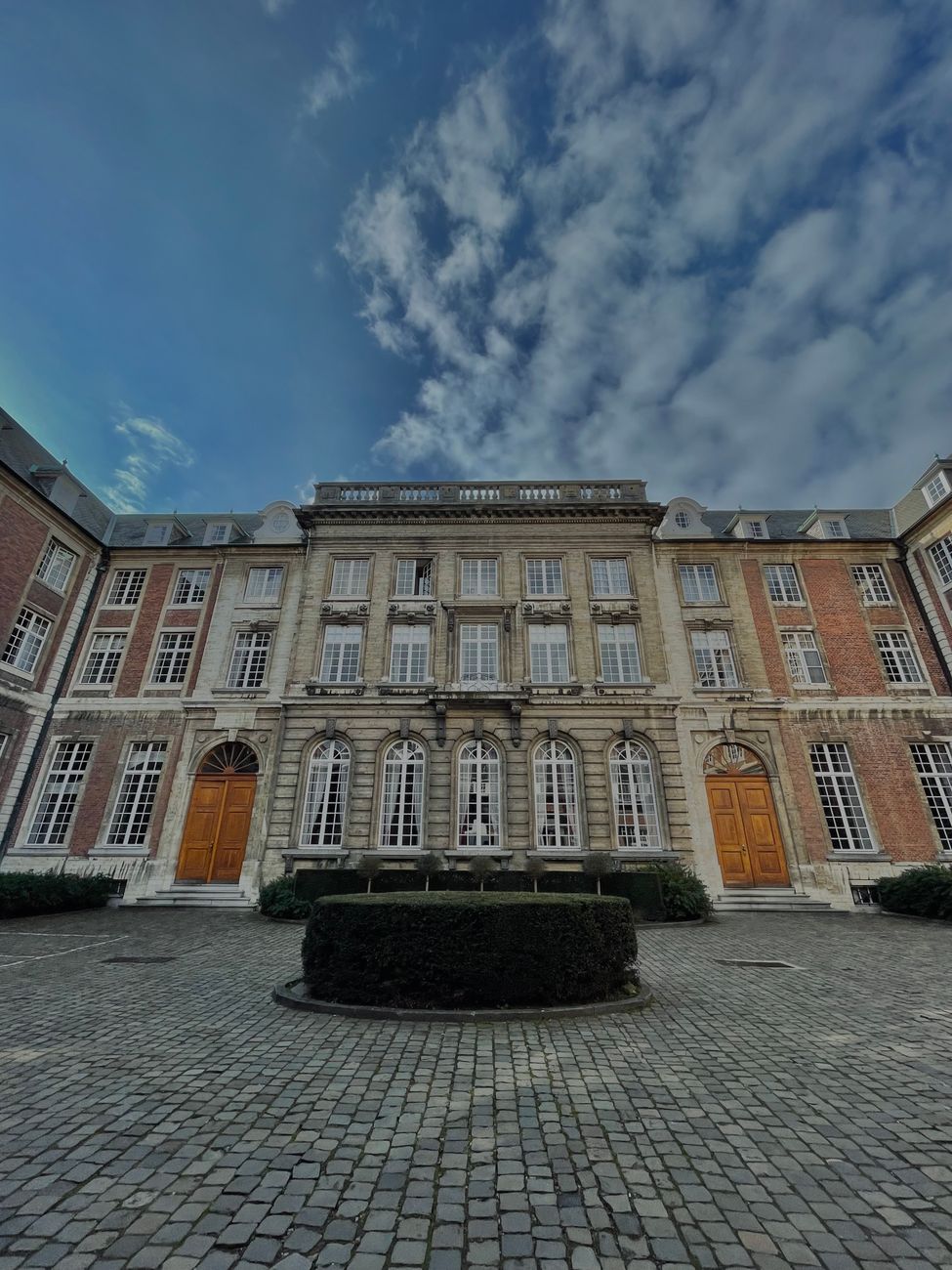
Pulse Insight — This topic connects to 10 associations, 3 funding programmes, 127 upcoming events and 4441 jobs through the Flanders ecosystem.
Live connections from the Belgium Impulse ecosystem — not recommendations.
This briefing was prepared with AI assistance and reviewed by a Belgium Impulse editor before publication. methodology.