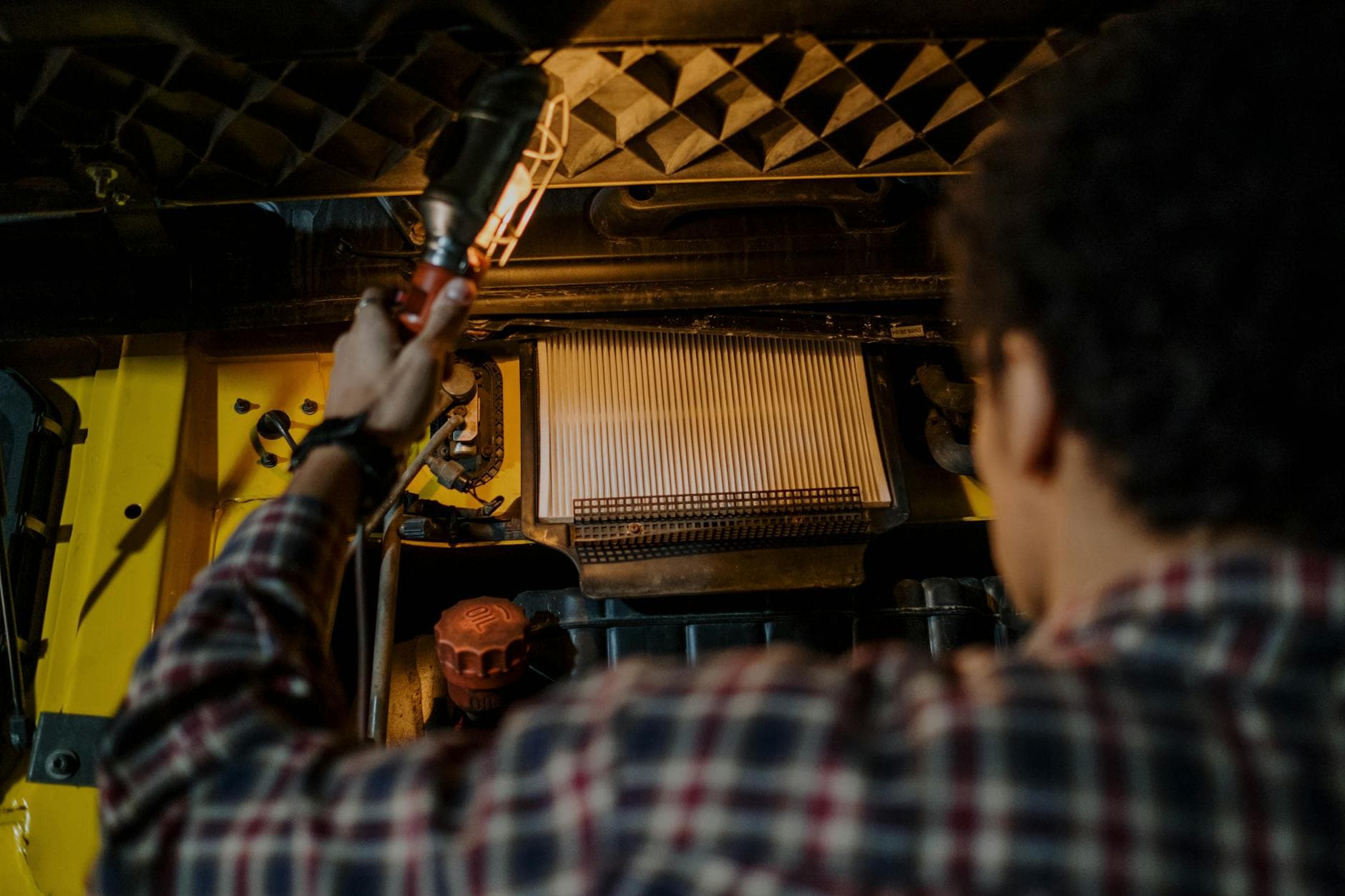
Can a voiture qui tombe panne really improve learning at Liege’s Haute École?
Practical takeaway: a deliberately engineered breakdown can be a training asset when curriculum, supervision and assessment are designed around it. A French-language local report from June 2026 says etudiants haute ecole in Liege used a creent voiture tombe panne scenario to make technical learning more concrete, suggesting that students can practise diagnosis and recovery under pressure rather than by memorising abstract fault trees alone. For students, parents, and expat families, the real question is not whether a machine fails, but whether the school’s pedagogy is designed around real incidents: planned scenarios, structured debriefs and clear grading criteria. In Belgium, this style is most common in programme clusters where project work is already a formal part of modules and where schools connect workshop work to employer standards. As of 2026, similar models sit inside official apprenticeship and alternance frameworks, so this is no one-off stunt; it is an example of a broader shift toward “learn by doing” in vocational pathways. If you are deciding on Liège technical options, check three things first: Is the school explicit on how workshops link to competencies? Are there safe, supervised failure simulations? And are there documented links to internships or industry placements?
Verified by Validiris·📚 7 sources·🧠 AI-checked·🇧🇪 Belgian: HighWhy you can trust this
About this story
### What the reported story appears to show The local headline frames a project where students from a Liege haute ecole did not just repair a car; they built or configured a scenario where the machine was likely programmed to fail, then used that for diagnosis drills. In practical terms, this is the difference between theory-first training and error-safe simulation-first training. The framing phrases from the story, including "tombe panne ameliorer" and "voiture qui tombe en panne", reflect the didactic intent: expose learners to controlled breakdowns, then improve applied decision-making in stages. ### The educational model in context From institution pages at the HEPL/Province de Liège family, project-based learning is not accidental in this ecosystem: - projects run through planned activities in modules, - workshops are paired with guided reflection, - internships/stages and project-end assessments are built into the program, - teachers are explicit about active pedagogy and employability skills. That means the Liege initiative is aligned with existing structure, not isolated experimentation. ### How this works for residents and families A small workshop exercise can have practical upside only if there is a route from school to work: 1. clear outcomes (what competencies are assessed), 2. supervised access to workshop environments, 3. language support where needed (French-speaking context in Liège, but mobility across communities if students attend broader Belgian pathways), 4. documented pathways to alternance/internship. ### Language and access notes In Liège, most HEPS/HEPL technical tracks are French-language in delivery; for families crossing communities, check whether programmes in Flanders or Brussels are in Nederlands, French, or bilingual settings before enrolling. For secondary-route transitions, consult official admission channels and use the correct forms and deadlines for the region.
How to read this story
The history
Belgium has long balanced general and technical pathways in a community-based education system, with a strong tradition of alternating theory and workplace exposure. The Decret/landscape reform model in francophone higher education formalised project-based and module-linked learning in many sectors, while Belgium’s broader apprenticeship framework explicitly legitimises mixed classroom-workplace training. The Liege project sits in that lineage: hands-on pedagogy, not as a replacement for theory, but as an accelerant to applied competence.
Regional impact
Liège has a visible concentration of training ecosystems (HEPL, HEPL-linked partnerships, industry-facing institutes, technical sectors in surrounding communes like Seraing). A local project like this helps schools demonstrate that higher and post-secondary technical curricula are not purely theoretical and that students can transfer competence to real service/repair contexts in the region.
Local impact
For communes around Liège and Seraing, this type of model can support partnerships between schools, communes and local employers, while giving residents clearer visibility on what applied education looks like day-to-day.
International angle
Globally, vocational systems are rebalancing toward real-work competence, and Belgium is among the systems experimenting with mixed workplace-aligned modules. The Liège case is therefore local proof of an international trend in applied education design.
What this means for you
If you are evaluating Liege options: verify that a programme states its project learning outcomes in writing; ask whether the vehicle/technical lab is supervised with formal safety procedures; request placement routes and language support before enrollment. For non-native French-speaking students, compare regional pathways early, especially if mobility into another community (Flemish institutions with Dutch delivery) is part of your plan.
Opposing perspectives
- Workshop instructors and industry partners
They argue that an intentionally failing system can strengthen diagnostic discipline because students learn sequencing, triage and communication under pressure. From their perspective, a controlled panne is safer than real roadside accidents for early-stage trainees: the learner repeats the process, gets feedback, and builds confidence before facing unpredictable customer cases.
- Curriculum quality teams and assessment coordinators
Some caution that simulation-rich projects can drift into performance theatre if schools do not define clear outcomes and rubrics. Their view is that employers value repeatable method more than isolated troubleshooting bravado, so grading must measure evidence, safety protocol, tool use and explanation quality, not only whether the fault is fixed.
- Students with language barriers or heavy study loads
A smaller group stresses inclusivity and workload. If workshop tasks are introduced before students have baseline vocabulary (French technical terms in Liege or Dutch equivalents for future Flemish placements), some students can become dependent on peers. They also warn that too many projects without time budgeting can compress exam preparation and increase drop-off in blended cohorts.
Related to this story
Pulse Insight — This topic connects to 10 associations, 4 funding programmes, 89 upcoming events and 12389 jobs through the Wallonia ecosystem.
Live connections from the Belgium Impulse ecosystem — not recommendations.
This briefing was prepared with AI assistance and reviewed by a Belgium Impulse editor before publication. methodology.