Can a 1,500-signature petition save Brussels’ shared e-scooters?
A Brussels petition seeking to preserve shared e-scooters has passed 1,500 signatures, requiring the Brussels Parliament to examine the initiative as the region prepares to end the service.
In 30 seconds
- The petition passed 1,500 signatures, above the threshold for parliamentary consideration.
- The Brussels government decided on 11 June 2026 to end shared e-scooters from 1 January 2027.
- The Council of State annulled current shared-mobility licences on 29 July 2026.
- Brussels Mobility initially instructed affected operators to withdraw vehicles by 1 September 2026.
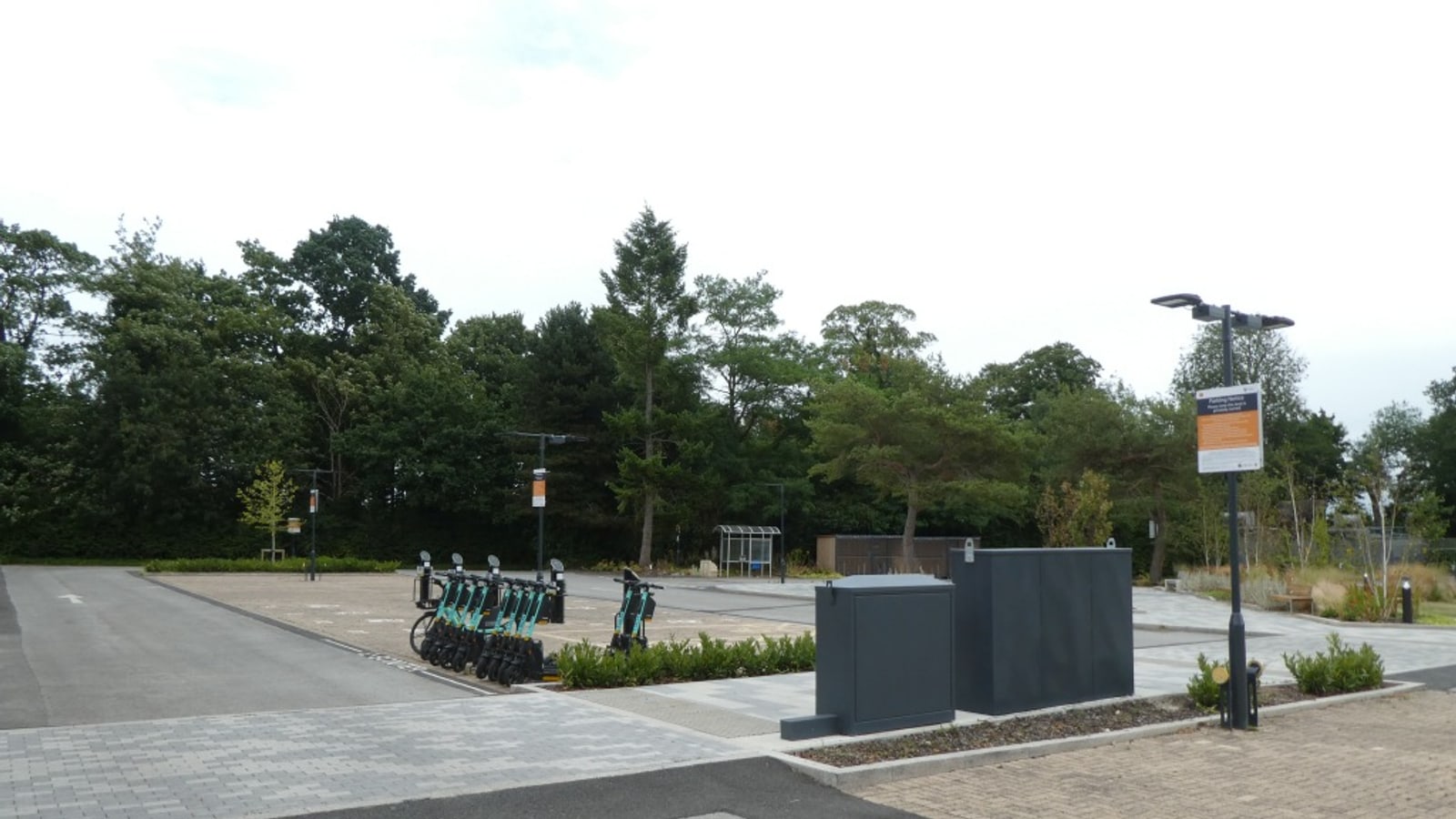
A citizen petition seeking to preserve shared e-scooters in Brussels has collected more than 1,500 signatures, passing the threshold that requires the Parliament of the Brussels-Capital Region to examine the initiative. BX1 reported the milestone on 17 August, turning a campaign promoted by shared-mobility operator Dott into a formal political test for the regional government’s plan to remove rental e-scooters from the capital.
The petition does not itself overturn the policy. Under Brussels’ participatory rules, reaching the threshold secures parliamentary consideration rather than a binding referendum or an automatic reversal. The Parliament must determine the initiative’s admissibility and follow the applicable procedure; depending on its classification, that can lead to examination by the competent committee, an opportunity for petitioners to be heard or a reasoned decision on whether to take the proposal further. The precise timetable had not been announced when the threshold was reported.
Its immediate demand is politically clear: retain regulated shared e-scooters instead of eliminating them. Dott began urging users at the end of July to support the initiative on the official Democratie.brussels platform. BRUZZ reported that it already had more than 600 signatures on 31 July and noted that the campaign followed a Council of State ruling that disrupted the licensing system for both shared scooters and free-floating bicycles.
That court ruling added urgency to a dispute that had previously centred on 2027. On 29 July, the Council of State annulled the licences awarded under the region’s 2023 selection procedure after litigation brought by Lime, which had not obtained one of the permits. Brussels Mobility subsequently told Bolt, Dott and Voi to remove their vehicles from public space by 1 September 2026, while scheduling consultations with the companies to consider the judgment and possible next steps, according to BRUZZ. This accelerated deadline affects shared bicycles as well as scooters because both relied on the annulled licensing decisions.
The legal interruption should nevertheless be distinguished from the government’s separate policy choice. On 11 June, the Brussels government led by Minister-President Boris Dilliès of the French-speaking liberal MR decided that shared e-scooter licences would not continue beyond 31 December 2026. Brussels Minister for Mobility Elke Van den Brandt of Groen and Dilliès said rental scooters would therefore disappear from 1 January 2027, while a strengthened, station-based shared-bicycle system would become the preferred alternative. The Council of State did not decide whether that future ban was good policy; it ruled on the legality of the earlier licensing procedure.
The government’s case combines road safety, accessibility and public security. Van den Brandt’s office told BX1 that the decision followed rising accident numbers, nuisance for other road users and criminal use of rental scooters. Dilliès presented the change more bluntly, saying Brussels was turning the page after too many accidents, disturbances and abuses. Officials have also stressed the difficulties created when vehicles obstruct pavements, particularly for blind people, wheelchair users and parents with pushchairs.
Supporters of the petition offer a different diagnosis. Way To Go, the Belgian shared-mobility network, told BRUZZ that shared bicycles and scooters generated 14.5 million trips and 1.3 million active user accounts in Brussels during 2025. It argues that the services fill first- and last-kilometre gaps, especially at night or during public-transport disruption, and that a legally sound transition should preserve limits on fleet sizes, speeds, parking zones, data sharing and enforcement. Dott and Bolt similarly maintain that regulated fleets are more controllable than privately owned scooters because operators can impose geofenced speed and parking restrictions.
Road-safety specialists provide a more qualified frame. Benoît Godard, spokesperson for the Vias Institute, told BX1 that removing shared fleets would not necessarily solve the underlying safety problem if riders instead bought private, potentially non-compliant scooters. Mobility adviser Damien Deroanne, appearing in the same discussion, challenged the idea that rental scooters are an inexpensive universal service: he estimated that a typical 15-minute journey costs about €5, making frequent use considerably more expensive than public transport.
The economic argument also has named advocates. The socialist metalworkers’ union ABVV-Metaal warned that mechanics, drivers, warehouse workers and administrative employees could lose their jobs if operators leave Brussels. The mobility-sector federation Traxio and its ShareMob branch have called for dialogue and a predictable replacement framework. These interests do not negate concerns about pavement access or collisions, but they show that the decision redistributes costs among users, workers, operators and people who rely on unobstructed public space.
Institutionally, this is a regional rather than federal decision. The Brussels-Capital Region licenses free-floating operators, regulates fleet numbers and drop zones, and manages regional mobility policy. Federal authorities remain responsible for national road-traffic rules and questions such as vehicle standards or any future registration regime for privately owned scooters. The 19 municipalities also manage much of the local public realm and enforcement, but they cannot independently recreate a region-wide licensing system.
The petition lands early in the regional legislature that began after the prolonged post-2024 formation period and produced the Dilliès government in February 2026. It gives parliamentarians an early opportunity to scrutinise a mobility decision made by the new seven-party coalition and to ask whether tighter regulation could meet the government’s objectives without a full withdrawal. Parliamentary examination will also reveal whether the coalition treats participatory mechanisms as channels for policy revision or primarily as opportunities to explain decisions already taken.
For users, nothing changes solely because the petition crossed 1,500 signatures. The more immediate issue remains whether Brussels Mobility and the operators can agree on a lawful transition following the Council of State judgment and whether services must disappear on 1 September. Parliament must now establish the petition’s procedural route, identify the competent committee and decide how petitioners will be heard. The central unanswered question is whether the process can influence policy before the current licences and the government’s political deadline converge at the end of 2026.
What to do
The petition does not suspend any deadline. Users should check operator applications and Brussels Mobility notices before travelling, particularly around 1 September, while employees and subscribers await clarification about service continuity.
The Belgian angle
The dispute affects all 19 municipalities because the licensing regime and planned withdrawal apply across the Brussels-Capital Region. Consequences will be most visible for late-night travellers, first- and last-kilometre users, mobility-sector workers and people who need pavements kept free of obstacles.
Across the language divide
BX1 frames it around institutional process and the region-wide ban, leading with the petition crossing the threshold that obliges Parliament to examine it and pairing the government's January 2027 prohibition with operator reactions.
BRUZZ foregrounds operator agency and urgency, headlining Dott's 'red de steps' push to force parliamentary intervention and the concrete order to clear shared scooters and bikes from the street by 1 September.
EvidenceWell established · 1 primary source + 3 official documents + 2 independent reporting sourcesExplore evidence →Hide evidence ↑
- Published:
- 17 Aug 2026, 02:00
- Retrieved by ODIN:
- 17 Aug 2026
- Published:
- 31 Jul 2026, 02:00
- Retrieved by ODIN:
- 17 Aug 2026
- Published:
- 30 Jul 2026, 02:00
- Retrieved by ODIN:
- 17 Aug 2026
- Publication date unavailable
- Retrieved by ODIN:
- 17 Aug 2026
- Publication date unavailable
- Retrieved by ODIN:
- 17 Aug 2026
- Published:
- 11 Jun 2026, 02:00
- Retrieved by ODIN:
- 17 Aug 2026
- Publication date unavailable
- Retrieved by ODIN:
- 17 Aug 2026
Continue reading

This story was assembled from verified evidence, with its sources and reasoning recorded as it was written.
This briefing was prepared with AI assistance and passed Belgium Impulse source, provenance and publication-quality checks. methodology.