Brussels unifies police command and deploys extra unit after drug-linked shootings
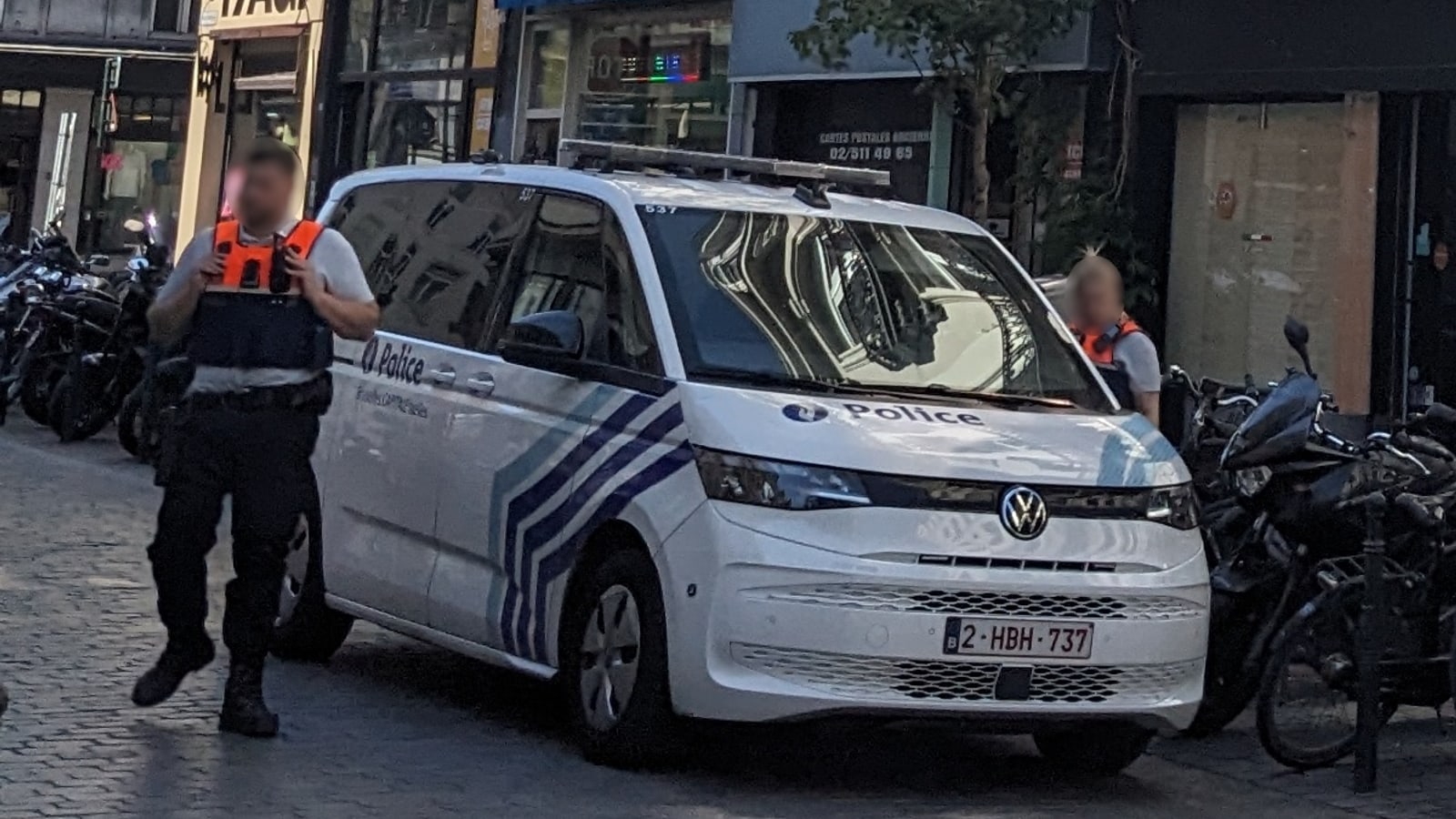
Brussels’ six police zones placed their response to the latest shootings under a single operational command on 26 August, while the federal government assigned about 50 additional police officers to the capital.
In 30 seconds
- The six Brussels police zones are operating under one Gold command for the response.
- An additional Federal Police infantry platoon of about 50 officers is being deployed.
- BRUZZ reported 57 Brussels shootings, two deaths and 21 injuries through July 2026.
- The additional platoon consists of police officers, not military personnel.
Updated 26 August 2026, 17:03 CEST — . The Conference of Brussels Mayors placed the capital’s six police zones under a single “Gold” operational command on Wednesday, 26 August, while federal Interior Minister Bernard Quintin ordered an additional police infantry platoon of about 50 officers onto the streets. BX1 reported that the measures took immediate effect after a new series of shootings associated with disputes in the drug trade.
Under the mayors’ plan, police will concentrate personnel in identified hotspots, particularly during evenings and nights. According to BX1, the unified command will coordinate 170 officers from specialised local assistance units, while the six dispatch centres are to be brought together at safe.brussels under a senior commissioner. The ARGOS service, which processes surveillance-camera and automatic number-plate data, is to develop round-the-clock capacity.
Quintin separately announced stronger deployment of the federal police’s special units, continued Full Integrated Police Action operations and structural reinforcements for Brussels’ federal judicial police, BX1 reported. The extra infantry platoon belongs to the police, not the armed forces. It forms part of the Federal Police’s public-security support capacity for violent or dangerous incidents.
The decision follows a sustained rise in firearms incidents. Federal Police figures reported by BRUZZ recorded 57 shootings across Brussels’ 19 municipalities between 1 January and 31 July 2026, leaving two people dead and 21 injured. BRUZZ reported 101 shootings, eight deaths and 43 injuries during all of 2025. Judicial investigations must still establish a drug-trafficking connection in every individual case.
Brussels was already receiving military support before Wednesday’s announcement. The Defence Ministry says has deployed around 30 soldiers since 3 April, initially around railway and metro infrastructure. Those soldiers work under police direction and do not replace police officers. A federal protocol permits mixed patrols and support during integrated police operations for six months.
Where this is happening
View on map Brussels →The immediate test is whether unified direction produces faster deployments and better information-sharing across the fragmented policing system. A regional security council was due to examine the response on Wednesday evening, according to BX1. Authorities have not published the duration, precise neighbourhood assignments or performance targets for the new police deployment.
What to do
People living, working or travelling in Brussels may encounter more officers and coordinated police activity, particularly in identified hotspots during evenings and nights. The measures took effect on 26 August 2026; the supplied information gives no end date, new restrictions, public cost or change to residents’ legal obligations. The additional personnel are police officers, not soldiers. If an operation affects access or travel, follow instructions from police and check updates from the relevant local police zone. In an immediate emergency, use Belgium’s established emergency channels.
The Belgian angle
The response covers the entire Brussels-Capital Region but focuses resources on neighbourhoods identified by police as shooting and drug-trafficking hotspots, particularly during evenings and nights.
Across the language divide
The FR outlets frame the story around the institutional response, foregrounding the operational reorganisation — a single 'commandement unique' across the six zones and a Federal Police infantry platoon — with headlines casting Brussels as 'organising itself' to confront the drug-linked shootings.
The NL source foregrounds the scale of the violence itself, headlining a 'nieuw record' of 57 shootings between January and July 2026 and framing the story around the mounting statistics rather than the command-structure response.
EvidenceWell established · 1 primary source + 3 official documents + 1 independent reporting source · Background sources: 1Explore evidence →Hide evidence ↑
- Published:
- 26 Aug 2026, 02:00
- Retrieved by ODIN:
- 26 Aug 2026
- Published:
- 26 Aug 2026, 02:00
- Retrieved by ODIN:
- 26 Aug 2026
- Published:
- 21 Aug 2026, 02:00
- Retrieved by ODIN:
- 26 Aug 2026
- Published:
- 7 Apr 2026, 02:00
- Retrieved by ODIN:
- 26 Aug 2026
- Published:
- 21 Mar 2026, 01:00
- Retrieved by ODIN:
- 26 Aug 2026
- Publication date unavailable
- Retrieved by ODIN:
- 26 Aug 2026
Voices & reactions
What the main actors are doing
Reported positions, summarised — not direct quotationsFederal enforcement approach
Interior Minister Bernard Quintin argues that the scale of the violence requires a stronger federal presence, special-unit support and sustained operations against trafficking networks, alongside wider security measures.
Prevention and structural approach
Justice Minister Annelies Verlinden says enforcement alone cannot resolve organised crime and calls for coordinated investment in housing, education, integration, youth opportunities and administrative action against criminal finances.
The story, connected
Explore the people, places and ideas in this story
Go beyond the headline. Open a card for sourced context, maps, official links and the other subjects connected to this report.
Continue reading
This story was assembled from verified evidence, with its sources and reasoning recorded as it was written.
This briefing was prepared with AI assistance and passed Belgium Impulse source, provenance and publication-quality checks. methodology.