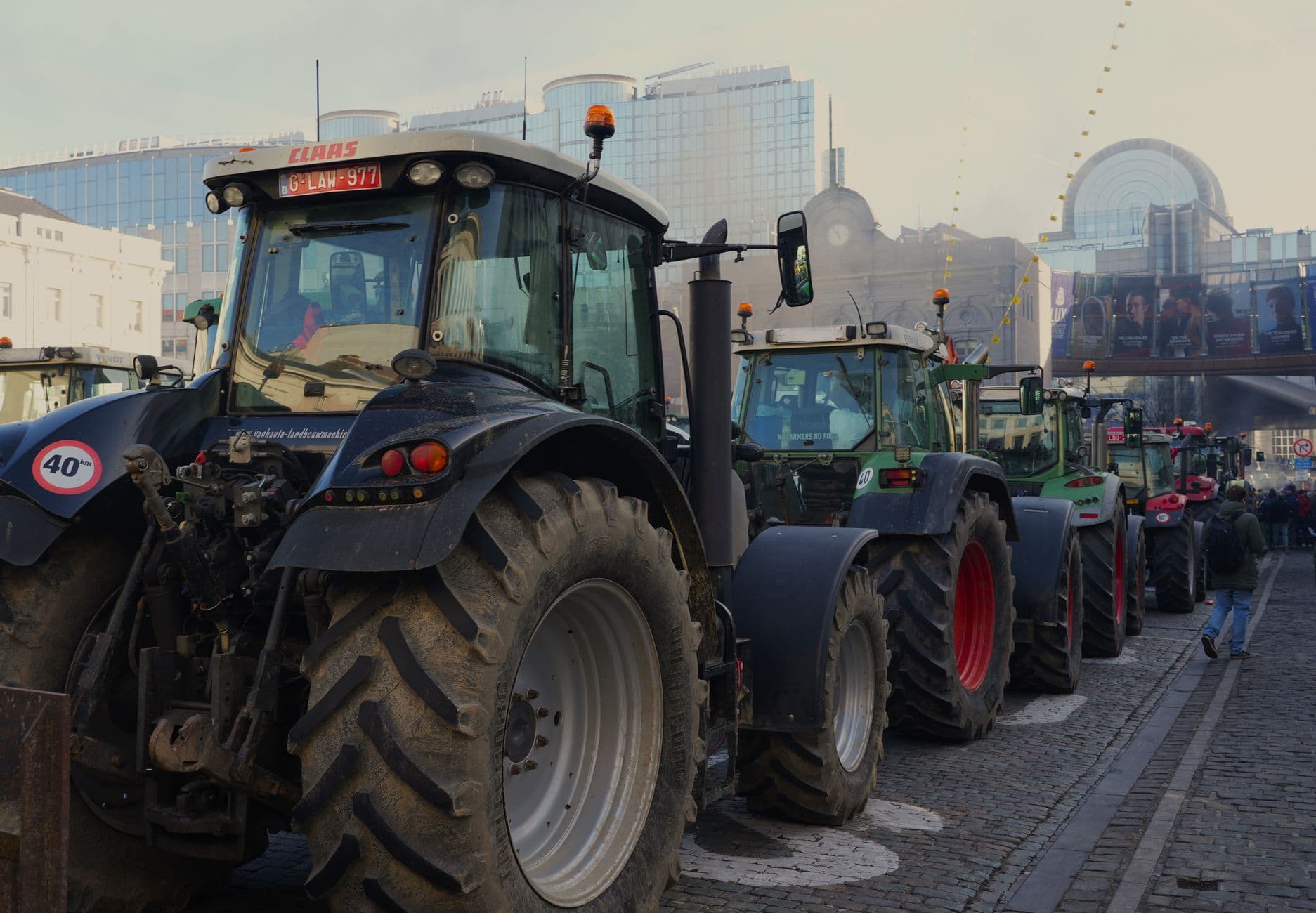
Brussels transport keeps facing continuing disruptions as farmers’ march overlaps EU summit
Brussels, 18 December 2025, 14:38 CET (updated): Le Soir reported that perturbations poursuivent in transports commun across the city centre as the farmers’ march continued into the afternoon. Police and Brussels Mobility guidance remained in force, with route closures, blocked streets and altered metro and bus operations still affecting commuters. The article confirms that the disruption in transports commun was not limited to the opening hour and had moved into an extended “transports commun soir” phase in parts of the city.
Evidenced on the trust ledger·📚 5 sources·🧠 AI-checkedWhy you can trust this
About this story
The latest update is about a Brussels demonstration linked to agricultural policy and trade concerns that ran alongside an EU leaders’ period. Le Soir described the situation as ongoing transport disruption rather than a one-hour spike. Police in the Brussels Capital Zone and Brussels-based outlets reported closures of streets around the European quarter, pressure on tunnels and major roads, and a warning to avoid private-car travel into the city. The STIB/MIVB network reported station access and route changes in the same corridor, including the EU-quarter axis, so the operational effect reached beyond the immediate protest route into daily commuting and intercity transfer planning.
How to read this story
The history
Brussels regularly absorbs overlapping pressure when social mobilisation and EU-level security overlap. Demonstrations in the capital have historically triggered mixed patterns: road-side closures, public transport rerouting, and staged advisories asking commuters to leave cars behind and use transit. This event follows that pattern and reinforces how Brussels’ role as an EU hub increases disruption duration and coordination complexity.
Regional impact
In the Brussels-Capital Region, disruption is concentrated in transport corridors around Rue de la Loi, the European quarter and streets feeding the demonstration route. The practical effect is overcrowded alternatives, longer access times for offices and delayed local trips rather than a total shutdown of the network.
Local impact
Metro and tram users near Arts-Loi, Maelbeek, and the Luxembourg axis face the sharpest delays and rerouting, while drivers face parking and corridor restrictions that reduce route choice.
International angle
The protest is directly tied to EU agricultural and trade policy tensions, and with heads of state in Brussels the disruption has cross-border effects for diplomats, conference delegations and frequent cross-border commuters.
Opposing perspectives
- Farmers’ organisations and agri lobbies
The agricultural sector argues the protest is a direct response to pressure on European farmers, particularly from CAP rules and trade policy. It says current terms in Brussels would expose European producers to uneven competition and underlie rising operating pressure in rural regions. From this view, mobilising transport and public space is a legitimate escalation to force policy recognition before summit negotiations lock in long-term trade and subsidy outcomes.
- EU institutions and summit-side security planners
EU institutions and mobility planners stress that large social events near European institutions must be managed with strict safety and continuity planning. Their position is that restrictions and service modifications are a necessary trade-off to protect delegates, secure streets, and keep critical travel links operational where possible. They argue disruption is an acceptable short-term cost where mass assemblies overlap with summit-level security operations and dense commuter demand.
Related to this story

Pulse Insight — This topic connects to 10 associations, 3 funding programmes, 97 upcoming events and 848 jobs through the Brussels ecosystem.
Live connections from the Belgium Impulse ecosystem — not recommendations.
This briefing was prepared with AI assistance and reviewed by a Belgium Impulse editor before publication. methodology.