Brent jumps as Iran-Israel strikes revive Hormuz transit risk
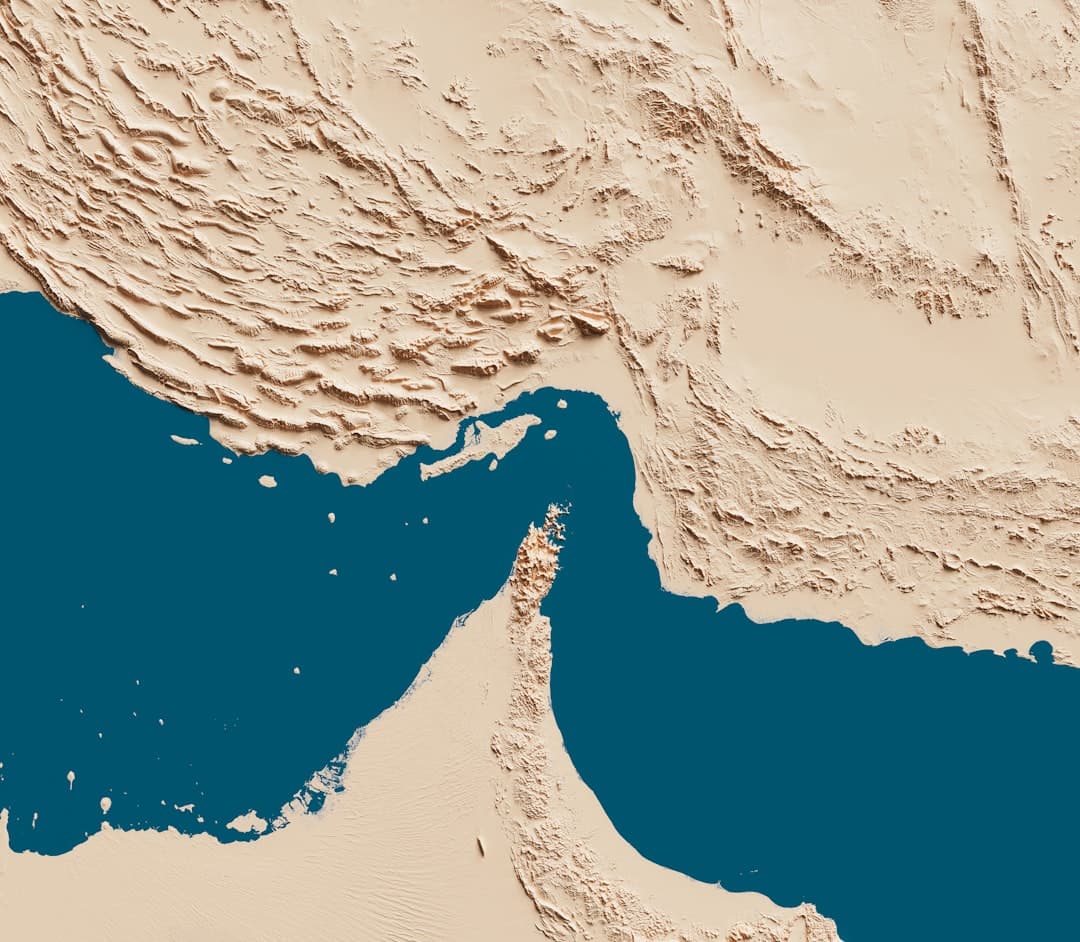
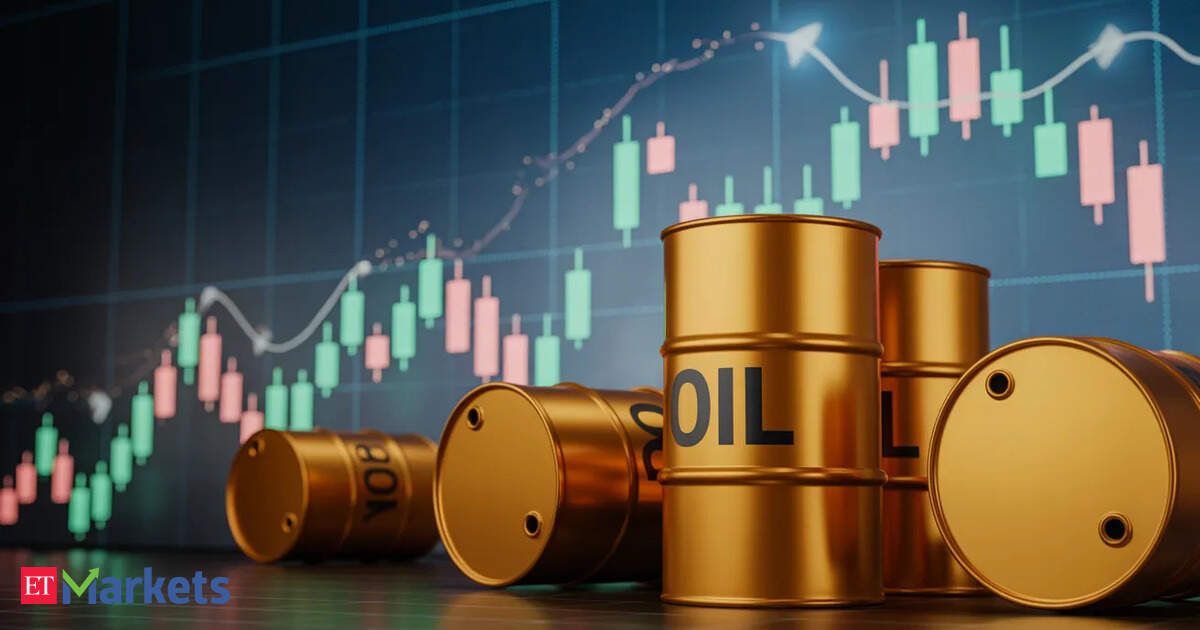
Oil futures jumped on 8 June 2026 after Iran and Israel traded strikes, reviving concern over tanker movement through the Gulf. Market data showed Brent futures rise 3.39% to about $96.24 a barrel, while WTI was near $93.41. Another session read also showed Brent at about $95.49 and WTI at $92.70 as the escalation replayed in real time. The spike followed a chain of reciprocal strikes in which Iranian authorities said they had fired missile waves and Israeli officials said they responded from Iranian targets. It was the first direct Iranian missile exchange since the 8 April ceasefire framework, so traders treated the event less as a short-term news shock than a route-risk repricing tied to the Strait of Hormuz’s security environment. The immediate effect was a wider oil-risk premium across transport and insurance desks rather than a confirmed physical supply interruption at destination markets.
Verified by Validiris·📚 12 sources·🧠 AI-checked·🇧🇪 Belgian: LowWhy you can trust this
The Iran Conflict: Nuclear, Regional and Diplomatic
The decades-long confrontation between Iran and its adversaries — the United States, Israel, Saudi Arabia, and proxies across the region — covering the nuclear file, sanctions, the JCPOA collapse, the post-October 2023 escalation, and current diplomatic openings.
About this story
Donald Trump is the U.S. president at the centre of this escalation cycle, and his administration has used public security messaging as part of pressure on reopening Gulf shipping lanes. Benjamin Netanyahu is Israel’s prime minister and the political head of the operational decisions that have driven the latest exchange of strikes. Iran’s Revolutionary Guard-linked command and state media are the main official channels for claims from Tehran on retaliation logic. The Strait of Hormuz is the narrow Gulf choke point that normally channels a large share of global seaborne oil and most Gulf LNG exports; disruption there has immediate price effects worldwide. Brent is the North Sea crude benchmark used in global pricing, while WTI is the main U.S. benchmark contract. The International Energy Agency (IEA) is the intergovernmental energy body that publishes oil market diagnostics and emergency-coordination guidance. FPS Economy is Belgium’s Federal Public Service for Economy, the regulator publishing official max fuel rates. ASEVA is part of Belgium’s formula for adjusting petroleum prices through taxes and levies. The OECD is the economic-policy research body that models inflation transmission in member economies. Eurostat is the EU statistical office publishing cross-country fuel-price inflation data that frames household impact in the EU.
How to read this story
The history
The June price move is an extension of the 2026 regional shock path rather than an isolated event. The war phase began on 28 February, and by April the first ceasefire framework had not fully reduced risk on shipping routes. IEA reporting in March and May documented a near-stop in tanker movement through Hormuz, with large portions of Gulf exports disrupted and cumulative losses rising above prior comfort levels. IEA members then coordinated emergency stock releases, and policy institutions still tracked cumulative deficits into summer. By mid-May, the same data set described more than 14 million barrels per day still effectively shut in and over one billion barrels of supply removed from normal flows. In that context, each new strike cycle feeds an already fragile market structure and pushes risk premiums higher.
The geopolitics
The episode combines strategic signalling and commodity risk. Security operations in Lebanon and across Gulf-linked theatres quickly feed into insurance, routing, and futures pricing from Asia to Europe. Brussels, where EU policy, transport, and finance desks sit near the same time as the market shift, faces that geopolitics-as-commodity transmission in near real time.
Why now
The trigger was fresh strike-to-reprisal logic after a period of fragile ceasefire stability, at a moment when summer transport demand is seasonally higher. That combination makes the repricing immediate and potentially persistent, even when physical supply conditions have not yet changed.
What to watch
Watch confirmed progress in mediation messages, tanker advisories, and any fresh strategic stock-release actions; follow FPS Belgium updates to the official petroleum rates; and track Eurostat energy-index releases for second-round household effects.
International angle
The case illustrates how a Gulf transit shock quickly spills into EU inflation, transport economics and fiscal debates. Brussels-based institutions monitor these indicators because Belgium is tightly linked to global fuel price pass-through through consumption, logistics, and budget planning.
What this means for you
Belgian consumers should track official rate postings and not just headline global quotations. Businesses should review fuel hedges and transport contracts for short-term diesel volatility. Public transport operators and logistics managers should budget for higher maintenance and insurance pass-through, while policy watchers should treat fuel-rate adjustments and EU inflation prints as the operational signal for near-term cost pressure.
What happens next
In the coming days, market sentiment will follow any credible step on Hormuz transit de-escalation and on whether emergency stock coordination is adjusted. If route safety improves, futures can moderate, but transport hedges are likely to stay elevated for some time. If escalation persists, Belgium and EU-wide freight and mobility costs are likely to stay near high risk levels through the summer demand window.
Potential consequences
If tanker risk persists, Belgian transport chains could face repeated margin pressure, harder-to-recover freight contracts, and higher inflation in daily consumer costs. Extended volatility also raises the political value of temporary fuel-policy responses and wage adjustments. If Hormuz access stabilises, consequences may be less about physical rationing and more about a reset to a higher-risk pricing baseline in logistics and municipal mobility budgets.
Opposing perspectives
- US administration communication (Trump-linked strategic messaging)
The U.S. policy framing prioritises coercive leverage, with high-level messaging focused on forcing changes in Iranian behaviour to restore Gulf navigation. In this frame, temporary market pain is accepted as the cost of restoring shipping compliance and state pressure rather than an end in itself.
- IEA/OECD energy-management frame
Energy institutions frame the episode as a supply-risk management issue: the key variable is how fast tanker throughput resumes and whether coordinated reserves can dampen the deficit. This view stresses buffer management, demand adaptation, and inflation targeting, not further military escalation as a market stabiliser.
Timeline
- 2026-02-28·U.S.-Israel military action against Iran expands and the broader Gulf conflict cycle intensifies.
- 2026-04-08·A ceasefire framework is put in place through international mediation, but strikes and local security frictions continue.
- 2026-06-07·Iran launches direct missile operations against Israel after prior regional escalation.
- 2026-06-08·Israel responds with strikes and global oil futures spike on heightened Hormuz transit and security risk.
- 2026-06-08·Belgium publishes official petroleum rates effective 6 June, with diesel at 2.065 €/l and petrol at 1.874 €/l.
Glossary
- Strait of Hormuz
- A narrow Gulf sea route that carries a large share of global oil and LNG cargoes, so disruptions there quickly influence international oil pricing.
- Brent
- The North Sea crude benchmark used widely for global pricing and contracts in petroleum trading.
- WTI
- West Texas Intermediate, the U.S. benchmark crude contract used in North American and global energy comparisons.
- FPS Economy rate
- Belgium’s official petroleum price framework where pump ceilings are set with taxes, levies, and distribution inputs.
Related to this story
Live connections from the Belgium Impulse ecosystem — not recommendations.
This briefing was prepared with AI assistance and reviewed by a Belgium Impulse editor before publication. methodology.