Belfast police use water cannon as anti-immigrant riots continue
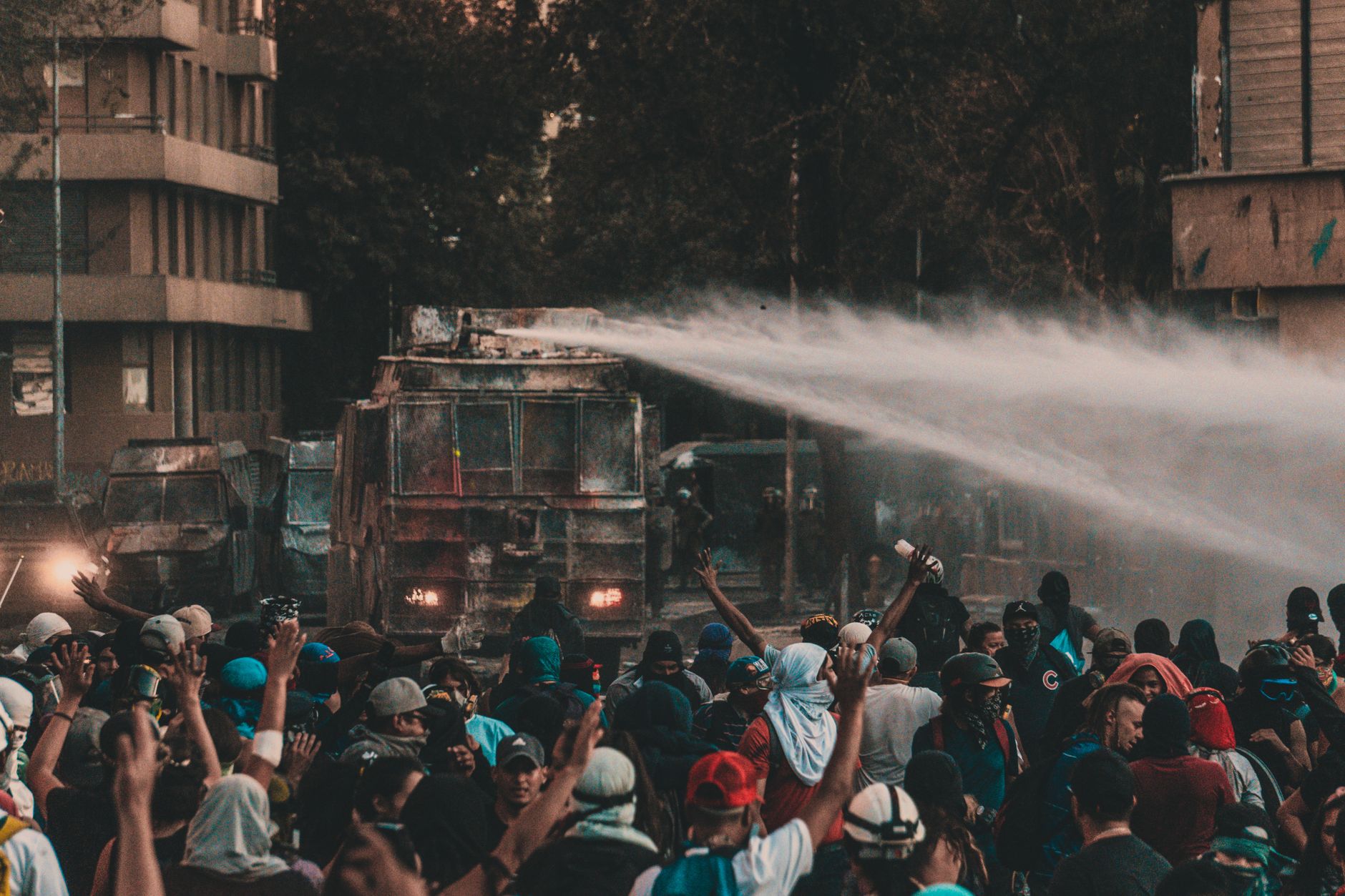
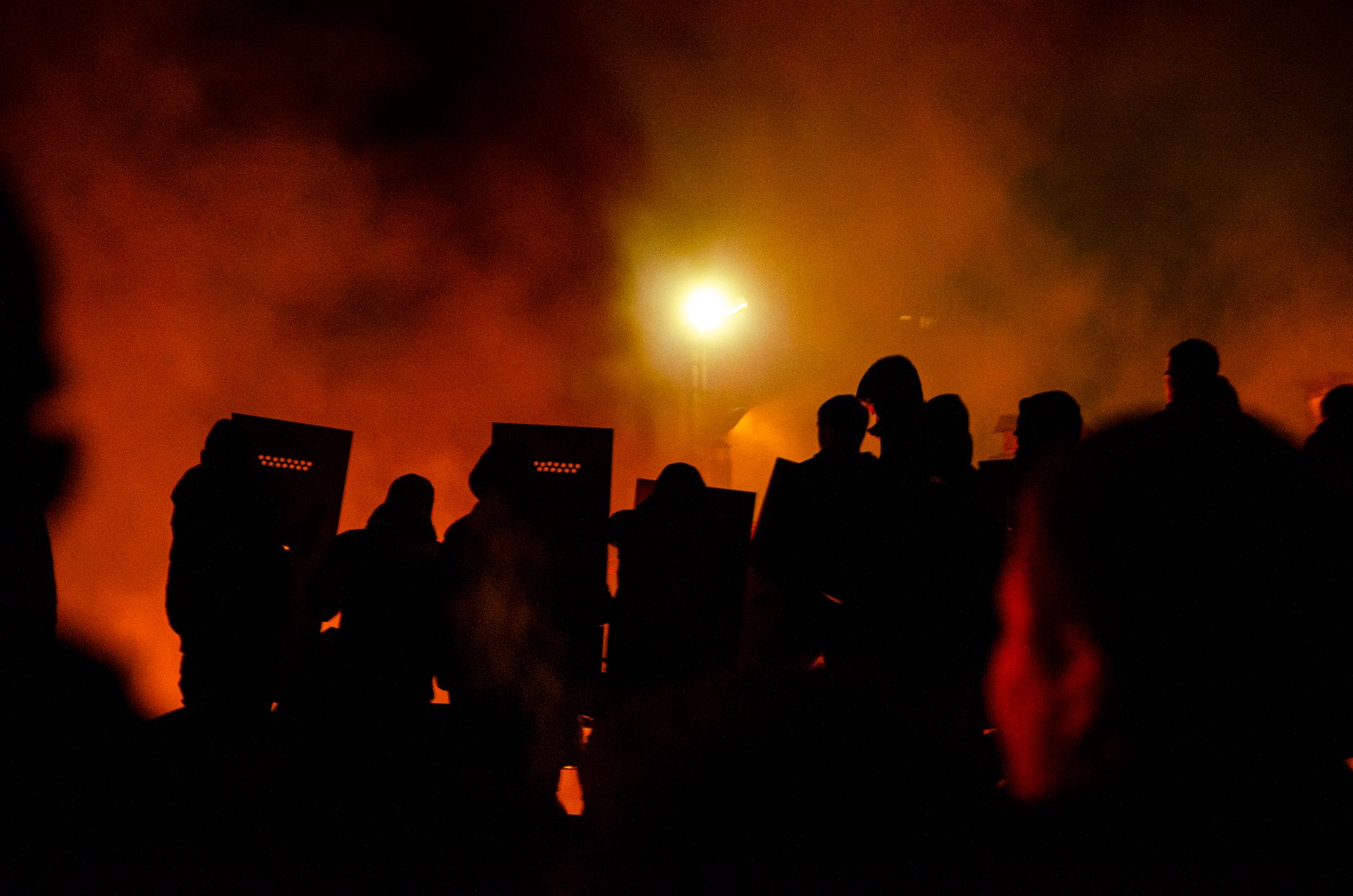
Belfast police used water cannon during a second night of anti-immigrant unrest after Hadi Alodid, a 30-year-old Sudanese man, appeared in Belfast Magistrates' Court charged with attempted murder over a knife attack on Stephen Ogilvie. The Police Service of Northern Ireland said there was no information suggesting the attack was terrorism-related, while court proceedings heard that Ogilvie suffered severe injuries including the loss of his left eye. Police and political leaders said rioters targeted homes believed to house migrants, set vehicles and bins alight, and attacked officers with projectiles. The victim's family appealed for the attack not to be used to fuel hostility. The wider issue is no longer only one criminal case: it is how a violent incident, a viral video and anti-migrant mobilisation can destabilise a city still shaped by peace-process sensitivities and an open land border with Ireland.
Evidenced on the trust ledger·📚 6 sources·🧠 AI-checked·🇧🇪 Belgian: LowWhy you can trust this
About this story
Belfast (Northern Ireland's capital and largest city) remains politically sensitive because many neighbourhoods still carry the legacy of the Troubles. Newtownabbey (a town north of Belfast, now within Antrim and Newtownabbey Borough) was one focus of the second night of disorder. The Police Service of Northern Ireland, or PSNI (Northern Ireland's post-2001 police force, created after policing reforms linked to the peace process), led the response. Hadi Alodid (a Sudanese man charged in Belfast Magistrates' Court in June 2026) is the defendant in the knife-attack case. Stephen Ogilvie (the injured Belfast resident named in court proceedings) is the victim whose family appealed for calm. Belfast Magistrates' Court (the local court handling first appearances in criminal cases) remanded Alodid in custody. The Common Travel Area (the UK-Ireland travel arrangement predating EU membership) has become politically salient because police said Alodid entered Northern Ireland from Ireland.
How to read this story
The history
Northern Ireland has a long history of street disorder tied to identity, territory and policing. The 1998 Good Friday Agreement largely ended the Troubles, a conflict in which AP reports almost 3,600 people were killed before the peace accord. More recent unrest shows how old geography can host new triggers: the 2024 UK riots followed false online claims after the Southport killings, while anti-migrant demonstrations around asylum accommodation spread across parts of the UK in 2025. The Belfast disorder fits that newer pattern, but in a city where police legitimacy and community boundaries remain unusually sensitive.
The geopolitics
The unrest sits inside a wider European pattern in which migration, platform algorithms and identity politics interact with local grievances. It is not a great-power crisis, but it does expose a strategic vulnerability for liberal democracies: violent or graphic incidents can be rapidly reframed by transnational online networks before courts, police and local leaders establish a shared factual baseline.
Why now
The immediate trigger was the June 8 knife attack, the rapid circulation of footage online and Alodid's June 10 court appearance. Those events turned public anger into organised gatherings and then street disorder over two consecutive nights.
What to watch
Watch whether further protests are called before the July 8 court date, whether police announce arrests over arson or online targeting, and whether UK or Irish ministers propose changes to Common Travel Area enforcement or online-safety rules.
International angle
The cross-border dimension is central: police said Alodid entered Northern Ireland from the Republic of Ireland, bringing the Common Travel Area back into UK-Irish political debate. Because Ireland remains in the EU while Northern Ireland is part of the UK, any border-security argument also touches post-Brexit arrangements watched closely in Brussels.
What this means for you
Belgian readers with travel plans to Belfast should monitor local transport and policing updates if unrest continues. For Belgian public authorities and employers, the practical lesson is crisis readiness: when violent footage circulates, clear communication, protection for targeted communities and early monitoring of online calls for mobilisation can matter quickly.
What happens next
Hadi Alodid is expected to remain in custody until the next listed court hearing on July 8, while police continue disorder investigations and prepare for possible further protests. Northern Ireland's executive, UK ministers and Irish border policymakers could face renewed questions over online incitement, asylum procedures and the practical policing of the Common Travel Area.
Potential consequences
If the disorder continues, Belfast could see more emergency policing, early transport closures, pressure on migrant housing and a sharper UK debate over asylum routes from Ireland. Online incitement may also bring renewed scrutiny of platform regulation. For Belgium and EU readers, the likely second-order effect is comparative: officials may study how quickly a local crime, viral footage and activist networks can produce real-world threats to minority communities.
Opposing perspectives
- Police Service of Northern Ireland
The PSNI's strongest frame is public-order protection: police said the attack was not known to be terrorism-related, while Chief Constable Jon Boutcher said families across communities were endangered by the disorder. In that reading, the immediate priority is separating the criminal case from collective punishment and preventing targeted intimidation from spreading.
- Stephen Ogilvie's family
The victim's family frames the unrest as a misuse of their suffering. Their statement says migrants make a valuable contribution and that the attack should not be used to divide people or fuel hostility. This view accepts public anger over the stabbing but insists that peaceful protest is the only legitimate response.
- Northern Ireland justice minister Naomi Long
Naomi Long's frame is that outside online actors are amplifying local fear for their own agenda. She argued that people targeting homes because of skin colour are engaging in racism, not legitimate protest. The stronger version of this argument is that platform-driven mobilisation can turn a criminal case into community-wide danger.
- UK and Irish border-control sceptics
Border-control sceptics argue that the case exposes a weakness in the Common Travel Area when non-British and non-Irish nationals move from Ireland into Northern Ireland. Their strongest argument is that maintaining an open peace-process border requires stronger shared checks elsewhere, otherwise confidence in the arrangement erodes.
Timeline
- 2026-06-08·A knife attack in north Belfast seriously injured Stephen Ogilvie, according to court proceedings reported by multiple outlets.
- 2026-06-09·Anti-immigrant unrest broke out in Belfast, with homes and vehicles targeted, according to police and multiple reports.
- 2026-06-10·Hadi Alodid appeared in Belfast Magistrates' Court charged with attempted murder and was remanded in custody.
- 2026-06-10·Police used water cannon during a second night of disorder in Newtownabbey and Belfast.
- 2026-07-08·The case is scheduled to return to court, according to court reporting.
How this story developed
2 reports on this subject — earliest first. You are reading the highlighted entry.
Related to this story
Live connections from the Belgium Impulse ecosystem — not recommendations.
This briefing was prepared with AI assistance and reviewed by a Belgium Impulse editor before publication. methodology.