InternationalBruxelles
Crise Liban-Israël

La réunion d’urgence de l’ONU peut-elle empêcher le sud du Liban de devenir une zone tampon permanente ?

Bruxelles a un intérêt institutionnel direct dans la crise Liban-Israël, car la prochaine phase sera façonnée par le Conseil de sécurité de l’ONU, la diplomatie de l’UE et l’architecture juridique autour de la résolution 1701.
Belgium Impulse Editorial·1 July 2026·3 min read·
Établi· 1 source primaire + 1 document officiel + 3 sources de presse indépendantes
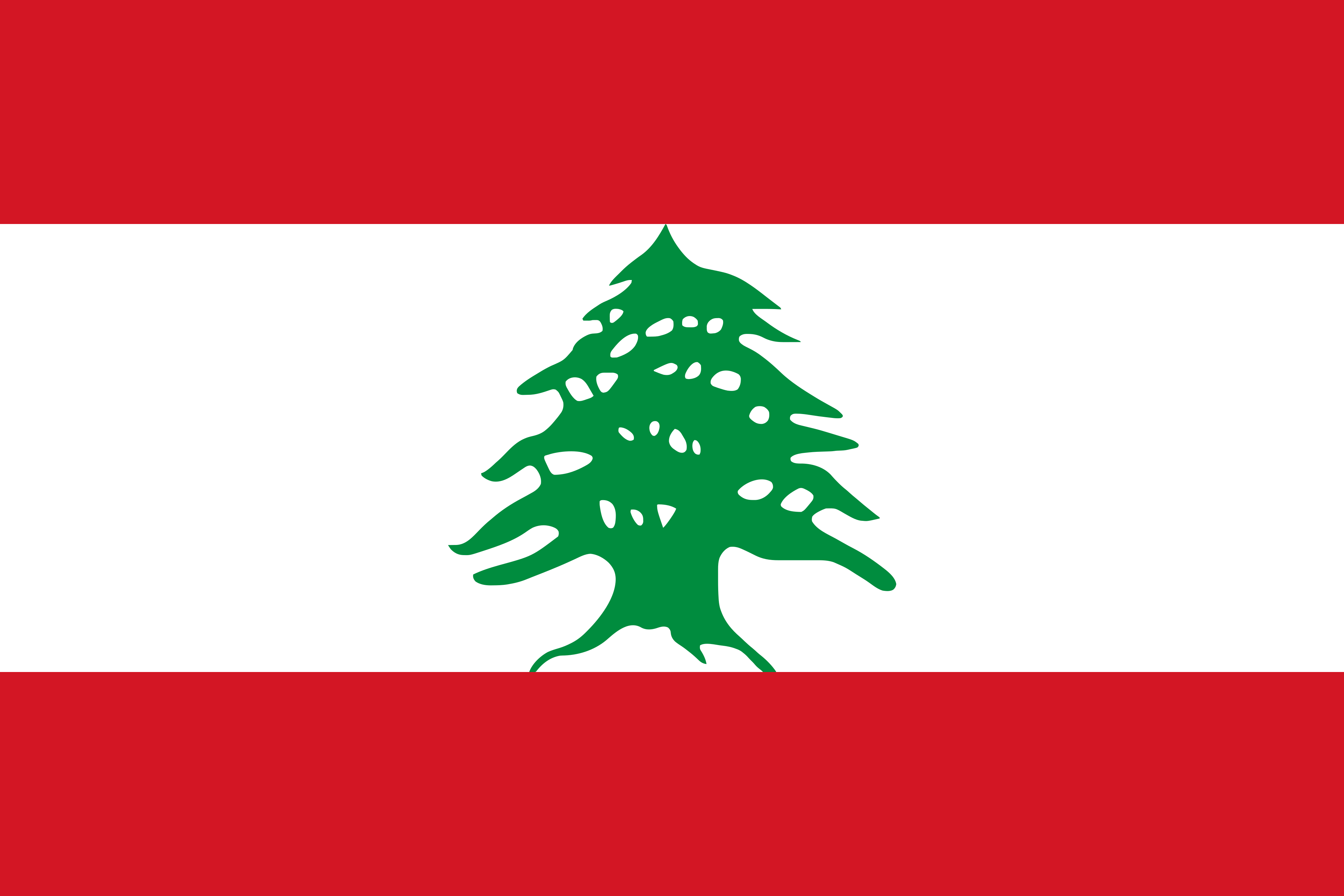
Lebanon — Lebanon
WikimediaWikimedia Commons

En 30 secondes

  • Israël a élargi ou consolidé ses positions dans le sud du Liban tout en affirmant que le retrait dépend du désarmement du Hezbollah.
  • Le Liban a porté le différend devant le Conseil de sécurité de l’ONU, une couverture en direct en français signalant une réunion d’urgence du Conseil lundi.
  • Un cadre négocié sous médiation américaine le 26 juin prévoit le contrôle de zones pilotes par les Forces armées libanaises, mais pas un retrait israélien complet immédiat.
  • Le Hezbollah rejette ce cadre et avertit qu’un désarmement forcé pourrait déclencher un conflit interne.

Le véritable sujet est l’ordre sécuritaire d’après-guerre à la frontière Israël-Liban. Israël, dirigé par le Premier ministre

Personne

Benjamin Netanyahu

Israel's Prime Minister leading Israel's position

Pourquoi c’est important

Israel's Prime Minister leading Israel's position

About

Benjamin Netanyahu, nicknamed "Bibi", is an Israeli politician and diplomat who has served as Prime Minister of Israel since 2022. Having previously held office from 1996 to 1999 and from 2009 to 2021, Netanyahu is Israel's longest-serving prime minister.

et le ministre de la Défense
Personne

Israel Katz

Israel's Defence Minister supporting Israel's security-zone position

Pourquoi c’est important

Israel's Defence Minister supporting Israel's security-zone position

About

Israel Katz is an Israeli politician and member of the Knesset for Likud currently serving as Minister of Defense and a member of the Security Cabinet of Israel. Katz has been recognized for his role in modernizing Israel's transportation infrastructure, including the expansion of highways, the development of high-speed rail, and reforms to Israel's ports that increased competition and reduced shipping costs.

, affirme que sa présence militaire dans une zone de sécurité du sud du Liban est nécessaire pour empêcher les forces Radwan du
Organisation

Hezbollah

armed group Israel wants disarmed and Lebanon wants replaced south of the Litani River

Pourquoi c’est important

armed group Israel wants disarmed and Lebanon wants replaced south of the Litani River

About

Hezbollah is a Lebanese Shia Islamist political party with an active paramilitary wing whose military and security activities have been prohibited by the Lebanese government since March 2026, amid Israel's war on Lebanon. Hezbollah's paramilitary wing is the Jihad Council, and its political wing is the Loyalty to the Resistance Bloc party in the Lebanese Parliament. Its armed strength was assessed to be equivalent to that of a medium-sized army in 2016.

, ses tunnels et ses infrastructures de roquettes de menacer le nord d’Israël. Le Liban, dirigé par le président
Personne

Joseph Aoun

Lebanon's President framing Israel's presence as an infringement of sovereignty

Pourquoi c’est important

Lebanon's President framing Israel's presence as an infringement of sovereignty

About

Joseph Khalil Aoun is a Lebanese politician and former army general who has served as the 14th president of Lebanon since 2025. He has previously served as the commander of the Lebanese Armed Forces, and is the fifth president with a military background.

et le Premier ministre
Personne

Nawaf Salam

Lebanon's Prime Minister framing Israel's presence as an infringement of sovereignty

Pourquoi c’est important

Lebanon's Prime Minister framing Israel's presence as an infringement of sovereignty

About

Nawaf Abdallah Salim Salam is a Lebanese politician, diplomat, jurist, and academic who has been serving as the 53rd prime minister of Lebanon since 8 February 2025.

, présente cette même présence comme une atteinte à la souveraineté qui doit prendre fin au titre de la résolution 1701 du Conseil de sécurité de l’ONU. Le Hezbollah, dirigé par
Personne

Naim Qassem

Hezbollah leader rejecting disarmament under a US-brokered framework

Pourquoi c’est important

Hezbollah leader rejecting disarmament under a US-brokered framework

About

Naim Qassem is a Lebanese Shia cleric and politician who became Hezbollah's secretary-general on 29 October 2024, the fourth person to hold the position. He participated in the founding of Hezbollah in 1982, and previously served as the first deputy secretary-general from 1991 to 2024.

, rejette le désarmement dans le cadre négocié sous médiation américaine et affirme que le retrait israélien doit intervenir en premier. L’angle européen passe par les institutions bruxelloises ; l’angle belge passe par la diplomatie du ministre des Affaires étrangères Maxime Prevot, le soutien de la Belgique au droit international, et les communautés libanaises et israéliennes de Belgique.

Contexte

Le sud du Liban est une ligne de fracture récurrente depuis l’invasion israélienne de 1978, la création de la FINUL, l’invasion de 1982, l’occupation par Israël d’une ceinture de sécurité dans le sud jusqu’en 2000, la guerre Israël-Hezbollah de 2006 et la résolution 1701. Cette résolution appelait au retrait israélien, à l’autorité de l’État libanais, à l’absence de groupes armés non autorisés au sud du Litani, et au soutien de la FINUL. Le différend actuel montre le même compromis non résolu : Israël veut une sécurité applicable ; le Liban veut la souveraineté ; le Hezbollah veut conserver ses armes comme levier ; l’ONU est appelée à superviser ce que les parties elles-mêmes ne parviennent pas à régler.

Context & what happens next

Impact

Regional — En Belgique, l’impact est indirect mais réel. Les familles belgo-libanaises, les communautés juives et israéliennes, les ONG, le personnel de l’UE et les diplomates à Bruxelles sont les plus susceptibles d’en ressentir les conséquences à travers des préoccupations consulaires, des manifestations, des collectes de fonds humanitaires et une pression politique sur les responsables belges et européens. Aucune nouvelle déclaration spécifique du gouvernement belge sur la réunion d’urgence du Conseil de sécurité signalée pour lundi n’a été trouvée au moment de la rédaction ; ce silence est notable compte tenu de l’accent régulièrement mis par la Belgique sur le droit international humanitaire.

Sources et preuves
Établi · 1 source primaire + 1 document officiel + 3 sources de presse indépendantes
Explorer les preuves
L'Echo via Google News RSS, live coverage: En direct | Liban: Israel etend son occupation, reunion d'urgence du Conseil
Publié le:
29 Jun 2026, 02:00
Consulté par ODIN le:
1 Jul 2026
Lire l’original
Le Monde English, Lebanon and Israel sign framework agreement in Washington for lasting peace and security
Publié le:
27 Jun 2026, 02:00
Consulté par ODIN le:
1 Jul 2026
Lire l’original
The Guardian, Israel vows to occupy swathes of southern Lebanon to expand buffer zone
Publié le:
31 Mar 2026, 02:00
Consulté par ODIN le:
1 Jul 2026
Lire l’original
Axios, Israel and Lebanon sign framework agreement
Publié le:
26 Jun 2026, 02:00
Consulté par ODIN le:
1 Jul 2026
Lire l’original
United Nations Security Council Resolution 1701
Publié le:
11 Aug 2006, 02:00
Consulté par ODIN le:
1 Jul 2026
Lire l’original

Voix & réactions

What the main actors are doing

Reported positions, summarised — not direct quotations

Point de vue sécuritaire du gouvernement israélien

Netanyahu et Katz présentent la présence dans le sud du Liban comme un tampon défensif, et non comme un projet territorial. Selon cette lecture, un retrait israélien avant le désarmement du Hezbollah recréerait la menace que la résolution 1701 n’a pas réussi à éliminer : roquettes, tunnels et unités Radwan près de la frontière. Cela diffère d’une grande partie du cadrage européen, car cette approche donne la priorité à des conditions de sécurité applicables plutôt qu’à un retrait territorial immédiat.

Point de vue de souveraineté de l’État libanais

Le président Joseph Aoun et le Premier ministre Nawaf Salam présentent le même dispositif sous l’angle de la souveraineté et de l’autorité de l’État. Leur argument est que les Forces armées libanaises, et non le Hezbollah ni Israël, doivent contrôler le territoire libanais. En termes bruxellois, c’est la logique de la résolution 1701 : monopole étatique de la force, intégrité territoriale et mise en œuvre supervisée par l’ONU.

Point de vue de résistance du Hezbollah

Le Hezbollah, par l’intermédiaire de Naim Qassem et de figures alliées, rejette un cadre qui fait du désarmement une condition du retrait israélien. Il décrit l’accord comme une humiliation et met en garde contre un conflit civil si l’État libanais tente de l’imposer par la force. Ce cadrage n’est pas simplement une rhétorique anti-américaine ; il s’agit aussi d’une lutte de pouvoir interne au Liban sur la question de savoir qui définit la défense nationale.

Préoccupation institutionnelle belge et européenne

Pour les institutions de l’UE à Bruxelles et pour la diplomatie belge sous Maxime Prevot, la question difficile est de savoir comment soutenir la souveraineté du Liban et la protection des civils tout en traitant aussi le rôle armé du Hezbollah. Le cadrage attentif à l’UE porte moins sur l’annonce d’un accord de paix à l’américaine que sur la capacité du système de l’ONU à encore imposer des règles respectées à la fois par Israël et par les groupes armés non étatiques.

The story, connected

Explore the people, places and ideas in this story

Go beyond the headline. Open a card for sourced context, maps, official links and the other subjects connected to this report.

Concepts

UN emergency meeting

meeting asked whether it can stop southern Lebanon becoming a permanent buffer zone

In this story

meeting asked whether it can stop southern Lebanon becoming a permanent buffer zone

Lieux

southern Lebanon

area where Israel has expanded and entrenched positions and where civilians may return

In this story

area where Israel has expanded and entrenched positions and where civilians may return

Background

The Upper Galilee is a geographical region located in northern Israel and southern Lebanon. Part of the larger Galilee region, it is characterized by its higher elevations and mountainous terrain. The term "Upper Galilee" is ancient, and has been in use since the end of the Second Temple period. From a political perspective, the Upper Galilee is situated within the administrative boundaries of the Northern District of Israel.

Lieux

Brussels

Belgian and EU diplomatic centre with a stake in the crisis

In this story

Belgian and EU diplomatic centre with a stake in the crisis

Background

The City of Brussels is the largest municipality and historical centre of the Brussels-Capital Region, as well as the capital of the French Community of Belgium, the Flemish Region, and Belgium. The City of Brussels is also the administrative centre of the European Union, as it hosts a number of principal EU institutions in its European Quarter.

Concepts

Lebanon-Israel crisis

crisis whose next phase will be shaped through international diplomacy and law

In this story

crisis whose next phase will be shaped through international diplomacy and law

Organisations

UN Security Council

body through which the next phase of the crisis will be shaped

In this story

body through which the next phase of the crisis will be shaped

Background

The United Nations Security Council is one of the six principal organs of the United Nations, and is the United Nations' executive branch, having primary responsibility for the maintenance of international peace and security. Its powers, outlined in the UN Charter, include establishing peacekeeping operations, authorizing military action, and imposing international sanctions.

Concepts

Resolution 1701

legal architecture governing withdrawal, state authority and armed groups south of the Litani

In this story

legal architecture governing withdrawal, state authority and armed groups south of the Litani

Background

United Nations Security Council Resolution 1701 is a resolution that was intended to resolve the 2006 Lebanon War. The resolution calls for a full cessation of hostilities between Israel and Hezbollah, the withdrawal of Israeli forces from Lebanon, with no armed forces other than UNIFIL and Lebanese military south of the Litani River, which flows about 29 km (18 mi) north of the border, and the disarmament of Hezbollah and other armed groups.

Lieux

Israel

state arguing its forces must remain until Hezbollah is disarmed

In this story

state arguing its forces must remain until Hezbollah is disarmed

Background

Israel, officially the State of Israel, is a country in the Southern Levant region of West Asia. It is bordered by Lebanon to the north, Syria to the northeast, Jordan to the east, and Egypt to the southwest. Israel's western coast lies on the Mediterranean Sea, its southern tip reaches the Red Sea, and to the east is Earth's lowest point near the Dead Sea.

Organisations

Hezbollah

armed group Israel wants disarmed and Lebanon wants replaced south of the Litani River

In this story

armed group Israel wants disarmed and Lebanon wants replaced south of the Litani River

Background

Hezbollah is a Lebanese Shia Islamist political party with an active paramilitary wing whose military and security activities have been prohibited by the Lebanese government since March 2026, amid Israel's war on Lebanon. Hezbollah's paramilitary wing is the Jihad Council, and its political wing is the Loyalty to the Resistance Bloc party in the Lebanese Parliament. Its armed strength was assessed to be equivalent to that of a medium-sized army in 2016.

Lieux

Lebanon

state saying Israel's presence amounts to occupation

In this story

state saying Israel's presence amounts to occupation

Background

Lebanon, officially the Lebanese Republic, is a country in the Levant region of West Asia. Situated at the crossroads of the Mediterranean Basin and the Arabian Peninsula, it is bordered by Syria to the north and east, Israel to the south, and the Mediterranean Sea to the west; Cyprus lies a short distance from the coastline. Lebanon has a population of more than five million and an area of 10,452 square kilometres (4,036 sq mi).

Lieux

Middle East

region referenced as part of the wider escalation and affected communities

In this story

region referenced as part of the wider escalation and affected communities

Background

The Middle East is a geopolitical region that is generally defined as encompassing all of West Asia except for the Caucasus and including African Egypt and European Turkey. It roughly corresponds with what was historically referred to in Western Europe as the Near East, which was juxtaposed with the Far East. Unlike West Asia's adherence to continental boundaries, the Middle East is demarcated by following political borders.

Organisations

Lebanese Armed Forces

force that could replace both Hezbollah and Israeli forces south of the Litani River

In this story

force that could replace both Hezbollah and Israeli forces south of the Litani River

Background

The Lebanese Armed Forces, also known as the Lebanese Army, is the national military of Lebanon. It consists of three branches, the ground forces, the air force, and the navy. The motto of the Lebanese Armed Forces is "Honor, Sacrifice, Loyalty".

Lieux

Litani River

river marking the area south of which security arrangements are disputed

In this story

river marking the area south of which security arrangements are disputed

Background

The Litani River, the classical Leontes, known in medieval times as Līṭa, is an important water resource in southern Lebanon. The river rises in the fertile Beqaa Valley, west of Baalbek, and empties into the Mediterranean Sea north of Tyre. Exceeding 140 km (87 mi) in length, the Litani is the longest river that flows entirely in Lebanon and provides an average annual flow estimated at 0.92 km3.

Personnes

Benjamin Netanyahu

Israel's Prime Minister leading Israel's position

In this story

Israel's Prime Minister leading Israel's position

Background

Benjamin Netanyahu, nicknamed "Bibi", is an Israeli politician and diplomat who has served as Prime Minister of Israel since 2022. Having previously held office from 1996 to 1999 and from 2009 to 2021, Netanyahu is Israel's longest-serving prime minister.

Personnes

Israel Katz

Israel's Defence Minister supporting Israel's security-zone position

In this story

Israel's Defence Minister supporting Israel's security-zone position

Background

Israel Katz is an Israeli politician and member of the Knesset for Likud currently serving as Minister of Defense and a member of the Security Cabinet of Israel. Katz has been recognized for his role in modernizing Israel's transportation infrastructure, including the expansion of highways, the development of high-speed rail, and reforms to Israel's ports that increased competition and reduced shipping costs.

Personnes

Joseph Aoun

Lebanon's President framing Israel's presence as an infringement of sovereignty

In this story

Lebanon's President framing Israel's presence as an infringement of sovereignty

Background

Joseph Khalil Aoun is a Lebanese politician and former army general who has served as the 14th president of Lebanon since 2025. He has previously served as the commander of the Lebanese Armed Forces, and is the fifth president with a military background.

Personnes

Nawaf Salam

Lebanon's Prime Minister framing Israel's presence as an infringement of sovereignty

In this story

Lebanon's Prime Minister framing Israel's presence as an infringement of sovereignty

Background

Nawaf Abdallah Salim Salam is a Lebanese politician, diplomat, jurist, and academic who has been serving as the 53rd prime minister of Lebanon since 8 February 2025.

Concepts

UN Security Council Resolution 1701

resolution under which Lebanon says Israel's presence must end

In this story

resolution under which Lebanon says Israel's presence must end

Personnes

Naim Qassem

Hezbollah leader rejecting disarmament under a US-brokered framework

In this story

Hezbollah leader rejecting disarmament under a US-brokered framework

Background

Naim Qassem is a Lebanese Shia cleric and politician who became Hezbollah's secretary-general on 29 October 2024, the fourth person to hold the position. He participated in the founding of Hezbollah in 1982, and previously served as the first deputy secretary-general from 1991 to 2024.

Lieux

US

broker of the framework Hezbollah rejects

In this story

broker of the framework Hezbollah rejects

Background

The United States of America (USA), also known as the United States (U.S.) or America, is a country primarily located in North America. It is a federal republic consisting of 50 states and a federal capital district, Washington, D.C. The 48 contiguous states border Canada to the north and Mexico to the south, with the semi-exclave of Alaska in the northwest and the archipelago of Hawaii in the Pacific Ocean.

Organisations

UNIFIL

UN force created after Israel's 1978 invasion and tasked with support under Resolution 1701

In this story

UN force created after Israel's 1978 invasion and tasked with support under Resolution 1701

Background

The United Nations Interim Force in Lebanon, or UNIFIL is a United Nations peacekeeping mission established on 19 March 1978 by United Nations Security Council Resolutions 425 and 426, and resolution 1701 in 2006 to restore peace and security along the Israel-Lebanon border.

Concepts

1982 invasion

historical Israeli invasion referenced in the conflict history

In this story

historical Israeli invasion referenced in the conflict history

Background

Argentine forces invaded the Falkland Islands on 2 April 1982 in a military operation code-named Operation Rosario. The invasion served as a catalyst for the subsequent Falklands War. The Argentines mounted amphibious landings and the invasion ended with the surrender of Falkland Government House, due to the location of the fighting the invasion is occasionally known as the Battle of Government House.

Organisations

UN

body asked to supervise what the parties cannot settle

In this story

body asked to supervise what the parties cannot settle

Background

The United Nations (UN) is an international intergovernmental organization established by the signing of the Charter of the United Nations on 26 June 1945 with the articulated mission of maintaining international peace and security, to develop friendly relations among states, to promote international cooperation, and to serve as a centre for harmonizing the actions of states in achieving those goals.

Organisations

NGOs

groups in Brussels likely to follow and respond to the conflict

In this story

groups in Brussels likely to follow and respond to the conflict

Organisations

Security Council

council expected to hold the reported Monday emergency meeting

In this story

council expected to hold the reported Monday emergency meeting

Background

The United Nations Security Council is one of the six principal organs of the United Nations, and is the United Nations' executive branch, having primary responsibility for the maintenance of international peace and security. Its powers, outlined in the UN Charter, include establishing peacekeeping operations, authorizing military action, and imposing international sanctions.

Poursuivre la lecture

Propulsé par ODIN™Une création Ordinis · © 2026 Ordinis

Cet article a été constitué à partir de preuves vérifiées, ses sources et son raisonnement étant enregistrés au fil de la rédaction.

méthodologie.