Warum gibt Brüssel Belgien Freiraum über seinen späten Naturrestaurationsplan?
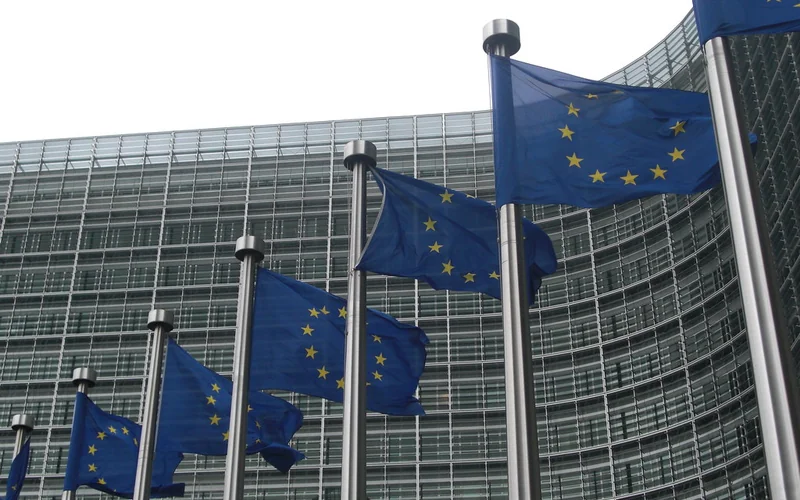
Die Europäische Kommission hat eine unterstützende Haltung ergriffen, nachdem Belgien und 19 andere EU-Länder bis zum 1. September 2026 keine Entwürfe von Naturrestaurationsplänen eingereicht hatten.
In 30 seconds
- Belgien gehörte zu den 20 Mitgliedstaaten, die nach dem 1. September 2026 unverzüglich keinen Entwurf vorgelegt hatten.
- Belgien benötigt einen nationalen Plan, der aus den Beiträgen der Bundesrepublik, der Flämischen Republik, der Wallonie und der Brüssel zusammengefasst ist.
- Die EU-Wiederherstellungsmaßnahmen müssen bis 2030 gemeinsam mindestens 20% des EU-Land- und Meeresgebietes abdecken.
- Die Kommission bewertet jeden Entwurf, bevor der Mitgliedstaat seinen endgültigen Plan erstellt und veröffentlicht.
The European Commission said in Brussels on 2 September that it would work constructively with Belgium and 19 other EU countries that had not submitted their draft national nature-restoration plans by the previous day's legal deadline. A Commission spokesperson acknowledged that the plans were a new and complex exercise, urged governments to file them as soon as possible and declined to speculate about enforcement only hours after the deadline passed.
For Belgium-based readers, the delay matters because the missing document is meant to determine how authorities restore forests, rivers, wetlands, farmland, marine habitats and urban ecosystems through 2050. It may ultimately influence land management, flood and heat resilience, agricultural policy and public spending. The immediate failure is procedural rather than the abandonment of restoration targets, but every delay compresses the time available before the first major objectives fall due in 2030.
Belgium's institutional structure helps explain the impasse. The EU requires one national plan, while most relevant powers are divided among Flanders, Wallonia, the Brussels-Capital Region and the federal government. Federal Climate and Ecological Transition Minister Jean-Luc Crucke, of Les Engagés, is responsible for forwarding the combined submission. His office told Belgian media that the federal and Flemish contributions were complete but that the Walloon and Brussels texts were still awaited. Wallonia's official biodiversity service confirms that an interministerial coordination group, with representatives from every region and the federal administration, was created to assemble the single Belgian document.
In Brussels, Environment and Climate State Secretary Ans Persoons, of Vooruit, described completion of the regional Renature Plan as a priority. Her office attributed part of the delay to the capital's prolonged government formation and said a document exceeding 500 pages had been circulated among departments. The Brussels Times reported that Brussels Environment is coordinating with agencies responsible for planning, mobility, the economy and employment. Wallonia, meanwhile, has organised six thematic committees covering different ecosystem types, according to the regional administration. Neither regional authority had announced a firm delivery date when the EU deadline passed.
The Commission's patience should not be confused with a waiver. Regulation (EU) 2024/1991, in force since August 2024, obliges every member state to prepare a draft plan. The Commission and European Environment Agency must then assess it, after which the country has six months to address observations and publish a final version. Brussels has not announced infringement proceedings and says its present priority is obtaining substantive drafts that can be assessed properly.
That cooperative framing differs sharply from the assessment of Belgian environmental organisations. Greenpeace Belgium, WWF, Vogelbescherming Vlaanderen and Bond Beter Leefmilieu argue that governments are losing valuable implementation time. Bond Beter Leefmilieu policy officer Heleen De Smet said nature restoration was being neglected despite worsening heat and wildfire risks, while the organisations criticised what they regard as weak funding and excessive exceptions in the Flemish contribution. Vooruit parliamentary leader Kris Verduyckt separately accused Flemish Environment and Agriculture Minister Jo Brouns, of CD&V, of favouring savings on nature over reform of the subsidised agricultural sector.
The regulation itself emerged from a bruising European argument over whether binding restoration rules would strengthen resilience or impose poorly financed obligations on farmers, foresters and public authorities. It nevertheless became the EU's first comprehensive, continent-wide restoration law. Its collective headline goal is to place restoration measures on at least 20% of EU land and sea by 2030, followed by all ecosystems requiring restoration by 2050. National measures remain adaptable to ecological and socioeconomic conditions.
The next test is therefore not simply when Belgium files, but whether its assembled plan contains credible locations, measures, budgets and monitoring arrangements. The Commission will publish its observations once it assesses the submission. Until Wallonia and Brussels complete their contributions, however, neither Jean-Luc Crucke nor the Commission can say when that scrutiny will begin—or how much recovery time Belgium will lose before 2030.
Impact
Regional — Flandern und die Bundesregion berichten, dass ihre Beiträge abgeschlossen sind, während Wallonien und die Brüsseler Hauptstadt-Region noch Arbeit haben, wobei die regionalen Maßnahmen unterschiedlich sein werden, da die Ökosysteme, der Bodendruck und die verantwortlichen Verwaltungen erheblich unterschiedlich sind.
EvidenceWell established · 1 Primärquelle + 3 offizielle Dokumente + 2 unabhängige NachrichtenquellenExplore evidence →Hide evidence ↑
- Published:
- 3 Sept 2026, 02:00
- Retrieved by ODIN:
- 5 Sept 2026
- Published:
- 2 Sept 2026, 02:00
- Retrieved by ODIN:
- 5 Sept 2026
- Published:
- 1 Sept 2026, 02:00
- Retrieved by ODIN:
- 5 Sept 2026
- Publication date unavailable
- Retrieved by ODIN:
- 5 Sept 2026
- Published:
- 29 Aug 2026, 02:00
- Retrieved by ODIN:
- 5 Sept 2026
- Published:
- 1 Sept 2026, 02:00
- Retrieved by ODIN:
- 5 Sept 2026
Continue reading
This story was assembled from verified evidence, with its sources and reasoning recorded as it was written.