Will Herentals approve a 130-home neighbourhood beside the Kapellenblok?
Herentals, the Onze-Lieve-Vrouw parish administration and intermunicipal agency IOK have advanced a concept for roughly 130 homes behind the Kapellenblok neighbourhood, but no final development outcome is confirmed.
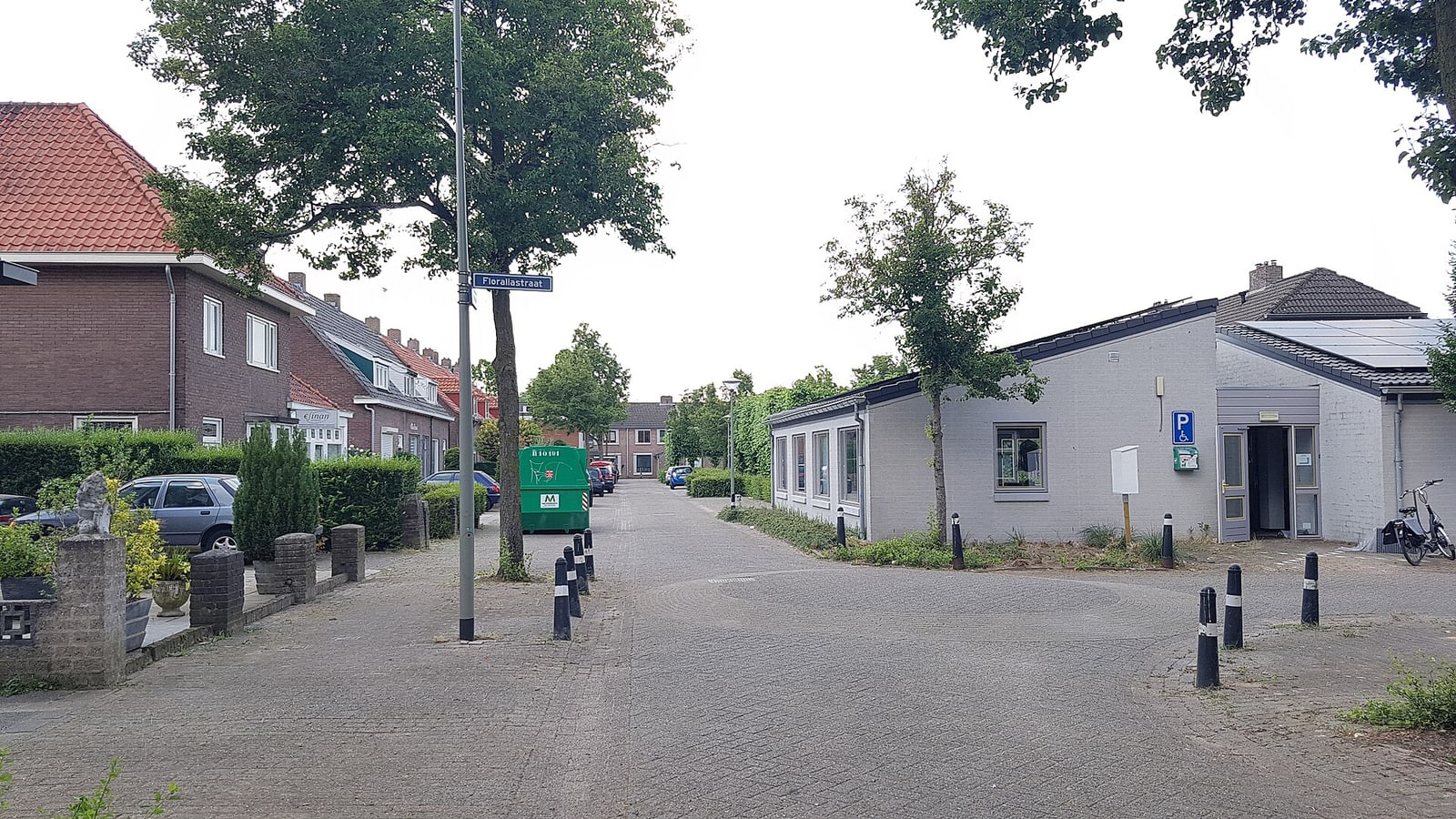
In 30 seconds
- Recent accounts describe roughly 124 to 130 proposed homes; the final legally authoritative total has not been verified.
- The concept covers about six hectares behind Kapellenblok-Rozenstraat, according to NNieuws.
- The partners are Herentals, Kerkfabriek Onze-Lieve-Vrouw and IOK; Witteveen+Bos is preparing the design and permit application.
- The site adjoins the ecologically sensitive Snepkensvijver area within the Kleine Nete Natura 2000 landscape.
The city of Herentals, Kerkfabriek Onze-Lieve-Vrouw and regional development agency IOK have advanced plans for a new neighbourhood of roughly 130 homes behind Kapellenblok, near the Rozenstraat and Lichtaartseweg, according to reporting by Het Nieuwsblad and a project presentation by design bureau Witteveen+Bos. The confirmed outcome is still a concept under development rather than a completed woonwijk or an established right to build the published design. For residents, prospective buyers and tenants, the practical point is simple: check the public Omgevingsloket and Herentals’ Dutch-language municipal notices for the formal application, public-inquiry dates and eventual decision before relying on promotional material.
The numbers illustrate why that distinction matters. Het Nieuwsblad describes an omstreden verkaveling achter Kapellenblok that aims for about 130 homes, while a May 2026 report by local outlet NNieuws put the concept at 124 homes on approximately six hectares. That account described apartments in three-storey “park villas”, ten detached houses and eight semi-detached houses, as well as surface and underground parking. These figures may represent different design stages; Belgium Pulse could not establish from an official permit decision that either total is final.
Witteveen+Bos says it is preparing the subdivision design and environmental-permit application for the three landowners. Its published concept promises a mixture of housing types and target groups, green streets, water-management structures and shared space. It also places the project between the higher sandy ridge and the Kleine Nete valley, with wet nature planned in the southern part to address groundwater seepage and flooding. Those are the developers’ stated ambitions, not independently verified results.
Why the location is contentious
The land may have a residential planning status, but its present character and ecological setting make this more than a routine housing proposal. NNieuws reports that the site currently includes meadow and woodland and borders Snepkensvijver-Heiberg, part of the Natura 2000 area known as the Valleigebied van de Kleine Nete met brongebieden, moerassen en heiden. The Flemish Natura 2000 portal identifies Snepkensvijver as an important complex of pools, wet heath, scrub and dry woodland. It says these habitats are particularly sensitive to drying, nutrient pollution and other outside pressures.
That does not automatically prohibit development next door. It does mean that hydrology, drainage, habitat effects, traffic and the physical transition between housing and protected nature deserve close examination in the permitting process. Herentals’ own spatial-policy research provides the broader warning: 44% of the municipality’s territory was already occupied by housing, gardens, roads, industry and other “hard” uses, while its relatively dispersed settlement pattern produces above-average sealing and comparatively modest residential density. The document treats Kapellenblok as developable only with attention to climate, biodiversity and water constraints.
The disagreement is therefore not neatly divided between people who support homes and people who support nature. The public partners present Kapellenblok as a chance to create affordable, nature-inclusive housing at the urban edge. Neighbours and conservation-minded residents are likely to test whether the proposed density, building height, parking and water design actually fulfil that description. Mayor Jan Bertels told NNieuws that any project would have to fit the scale of Kapellenblok and the Lichtaartseweg and address the area’s water problems.
What residents can do
Belgian planning terminology can be confusing for newcomers. A verkaveling is a subdivision of land into plots, while an omgevingsvergunning is the integrated Flemish environmental permit governing relevant planning and environmental works. A participatiemoment organised by a developer can influence a design, but it is not the same as the statutory openbaar onderzoek.
When a formal application enters public inquiry, Vlaanderen states that a yellow notice must appear at the site and the gemeente must publish the inquiry. The non-confidential file is then normally available for 30 days at the municipality and through the public Omgevingsloket. Any natural or legal person may submit observations or objections to the college van burgemeester en schepenen, online or by ordinary or registered post.
For a useful submission, identify the dossier and address, explain your concrete interest, and connect each concern to planning considerations: water flow, safe access, traffic, parking, building scale, loss of vegetation or effects on protected habitats. Maps, dated photographs and specific references to application documents are more useful than a general statement that the project is too large. Keep proof of submission. Vlaanderen distinguishes a bezwaar, filed before the authority decides, from a beroep, lodged against a decision afterwards.
Herentals is in Dutch-speaking Flanders, so the official file and procedure will principally be in Dutch. English-speaking residents can ask the stadsbestuur for practical clarification, but they should not assume that an English submission or translation service is guaranteed. If precision matters, particularly during an appeal, assistance from a Dutch-speaking adviser, architect or planning lawyer may prevent misunderstandings.
The broader housing choice
Kapellenblok condenses a dilemma seen across Flanders: municipalities need more varied and affordable homes, yet continued outward building increases land take, car dependence and pressure on water systems. Herentals’ spatial strategy seeks to concentrate major growth in the core while treating places such as Kapellenblok as neighbourhoods on the stadsrand, where development must remain proportionate to its surroundings.
For prospective residents, the eventual value of the scheme will depend on details still unsettled: which homes will genuinely be affordable, whether they will be sold or rented, the final energy standard, service charges, mobility arrangements, construction phasing and the legal protection of green and water features. No public sales timetable or final price schedule was verified for this article.
The next decisive milestone is a formal, complete permit file and any associated public inquiry. That process should reveal the authoritative dwelling count, plans, mobility assessment, water measures and ecological studies. Until the competent authority issues a decision—and any appeal period has passed—the proposal behind Kapellenblok remains a contested plan, not a guaranteed new address.
What to do
Search the Flemish public Omgevingsloket by location and monitor herentals.be for an openbaar onderzoek. Read the plans and studies, submit specific evidence-based comments before the stated deadline, retain proof of submission and distinguish the pre-decision bezwaar procedure from a post-decision beroep. Official proceedings in Herentals are primarily in Dutch.
The Belgian angle
The project tests how a Kempen municipality can provide housing at the stadsrand without repeating low-density land consumption or worsening water and biodiversity pressures.
EvidenceWell established · 2 primary sources + 3 official documents + 1 independent reporting sourceExplore evidence →Hide evidence ↑
- Publication date unavailable
- Retrieved by ODIN:
- 18 Aug 2026
- Published:
- 2 May 2026, 02:00
- Retrieved by ODIN:
- 18 Aug 2026
- Publication date unavailable
- Retrieved by ODIN:
- 18 Aug 2026
- Publication date unavailable
- Retrieved by ODIN:
- 18 Aug 2026
- Publication date unavailable
- Retrieved by ODIN:
- 18 Aug 2026
- Published:
- 14 Mar 2024, 01:00
- Retrieved by ODIN:
- 18 Aug 2026
Continue reading


This story was assembled from verified evidence, with its sources and reasoning recorded as it was written.
This briefing was prepared with AI assistance and passed Belgium Impulse source, provenance and publication-quality checks. methodology.