Will 11 July finally become a paid holiday for everyone working in Flanders?
Flemish Minister-President Matthias Diependaele has promised that 11 July will become a paid day off across Flanders from 2028, but federal legislation and agreement on which existing holiday it would replace are still required.
In 30 seconds
- Diependaele set 2028 as the target for making 11 July a paid holiday across Flanders.
- Belgian federal law currently guarantees ten statutory paid holidays; 11 July is not among them.
- Flemish and local-government staff already receive 11 July off, as do employees in some private sectors.
- The federal coalition agreement allows requesting regions to seek an official holiday without harming competitiveness.
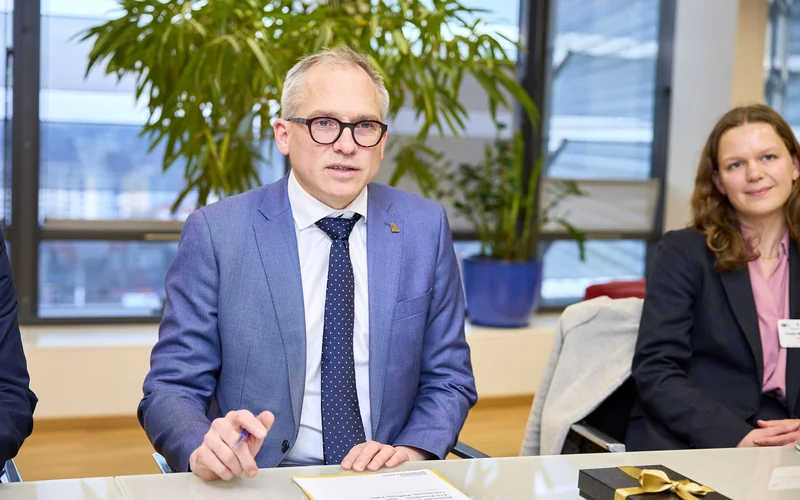
Flemish Minister-President () promised on 2026 that the Day of the Flemish Community will become a paid holiday for workers across Flanders from 2028. Speaking on the Flemish celebration day, he presented the date as a moment that should unite residents around a shared regional identity, saying people should be “a little prouder of Flanders”. The pledge is politically clear, but its legal outcome is not yet secured: the cannot by itself alter Belgium’s statutory holidays for private-sector workers.
That distinction matters because 11 July is already Flanders’ official community holiday without being one of Belgium’s ten statutory paid holidays. The Flemish government says staff of the Flemish administration, provincial authorities and local authorities receive the day off. Some private-sector employees, including workers covered by banking-sector arrangements, also benefit through collective agreements. For most other private-sector employees, however, it remains an ordinary working day unless their employer or sector has made a separate arrangement.
The power to change that general position lies at federal level. Belgium’s statutory-holiday system is governed by the federal Holidays Act of 4 January 1974 and its implementing rules. The Federal Public Service Employment lists ten paid holidays, including Belgium’s National Day on 21 July, but not the community celebrations on 11 July, 27 September or 15 November. A regional political declaration therefore does not immediately create an enforceable right to stay home with pay.
Diependaele does have a route through the present federal coalition. The 2025-2029 agreement of Prime Minister ’s federal government says federal law will be adapted for regions that request recognition of their regional holiday, provided that competitiveness is not harmed. In a discussion in February 2025, Diependaele endorsed an asymmetrical arrangement under which Flanders could proceed even if Belgium’s other regions did not make the same choice. More recent parliamentary reporting indicates that De Wever formally asked the Flemish government whether it wished to use that option and that the Flemish government answered positively.
The phrase about competitiveness is the difficult part. It strongly points towards replacing one of the ten existing statutory holidays rather than granting an eleventh paid holiday. The federal coalition agreement does not identify which day would be exchanged, and Diependaele’s latest promise did not settle that question. Removing or relocating a familiar religious, national or commemorative holiday would create its own political contest. Until a federal text names the mechanism and passes the required procedure, 2028 remains a target rather than a guaranteed start date.
There are also practical boundary questions. A holiday applying by workplace location would cover employees working in the Dutch-language region, but is officially bilingual and economically intertwined with Flanders. It has not yet been established publicly whether a Flemish resident commuting to Brussels would receive 11 July off, or how employers with sites in several regions would administer different calendars. Existing banking arrangements illustrate the issue: Febelfin says banks in the Dutch-language region close for the Flemish holiday, while banks in Brussels remain open.
For N-VA, the proposal joins symbolic recognition to an achievable form of institutional differentiation during the 2024-2029 legislative cycle. It also revives a demand older than the present governments. In 1996, the Flemish Parliament approved a resolution asking the Flemish minister-president to press the federal authorities for recognition of 11 July as a paid holiday. Flemish Parliament records show that successive governments revisited the question, while a federal initiative contemplated during the previous legislature never became law.
The historical symbol predates modern Belgium’s federal structure. The date recalls the Battle of the Golden Spurs near Kortrijk on 11 July 1302, later recast by the Flemish Movement as a landmark of political and cultural emancipation. It became the official celebration of the Dutch Cultural Community in 1973 and subsequently the holiday of the Flemish Community. Its modern meaning is broader and more contested than the medieval episode: supporters present it as an inclusive civic celebration, while opponents or indifferent residents may regard its nationalist symbolism as less representative of contemporary, diverse Flanders.
Where this is happening
View on map Brussels →The political frames are correspondingly different. Diependaele and N-VA cast a common paid holiday as overdue recognition of Flemish nationhood and as an opportunity to build shared pride. Vlaams Belang supports legal recognition but has repeatedly used parliamentary questions to argue that N-VA-led governments have taken too long to deliver it. Employers’ organisations approach the proposal primarily through labour costs and competitiveness; the federal agreement’s safeguard reflects that concern. Employees, meanwhile, would experience the change very differently depending on whether 11 July is an additional entitlement or merely replaces a holiday or freely scheduled compensation day.
The next decisive move must therefore come from the federal government and parliament. They will have to determine which law or royal decree changes, whether the total remains ten paid holidays, how territorial scope is defined and what happens in Brussels. Because 11 July falls on a Sunday in 2027, Diependaele has identified Tuesday 11 July 2028 as the first practical target. What is confirmed today is Flanders’ request and its minister-president’s political commitment; what is not yet confirmed is the legal formula that would make the promise real for every affected worker.
What to do
Employees should not yet assume they will be off on 11 July 2028: no federal mechanism or replacement holiday has been enacted. Workers in Flanders should check their sector agreement, employment contract and annual leave calendar because some already receive the date off. Employers should wait for federal rules before changing payroll or holiday schedules, while monitoring whether an existing holiday or compensation day will be exchanged. Brussels-based workers, cross-regional commuters and companies with sites in multiple regions need particular clarity on the eventual territorial test.
The Belgian angle
The direct impact would fall on workplaces in the Dutch-language region. The position of commuters, companies operating across regional borders and workers in bilingual Brussels remains unresolved.
EvidenceWell established · 1 primary source + 4 official documents + 2 independent reporting sourcesExplore evidence →Hide evidence ↑
- Published:
- 11 Jul 2026, 02:00
- Retrieved by ODIN:
- 25 Aug 2026
- Publication date unavailable
- Retrieved by ODIN:
- 25 Aug 2026
- Publication date unavailable
- Retrieved by ODIN:
- 25 Aug 2026
- Published:
- 31 Jan 2025, 01:00
- Retrieved by ODIN:
- 25 Aug 2026
- Published:
- 25 Feb 2025, 01:00
- Retrieved by ODIN:
- 25 Aug 2026
- Publication date unavailable
- Retrieved by ODIN:
- 25 Aug 2026
- Published:
- 16 Jun 2026, 02:00
- Retrieved by ODIN:
- 25 Aug 2026
Voices & reactions
What the main actors are doing
Reported positions, summarised — not direct quotationsN-VA and the Flemish government
Diependaele presents a universal day off on 11 July as overdue institutional recognition and a means of fostering an inclusive sense of Flemish pride. The government argues that the federal coalition agreement now provides a workable route for Flanders to proceed without waiting for every other region.
Vlaams Belang parliamentary frame
Vlaams Belang supports recognition of 11 July but portrays the long delay as evidence that N-VA has not delivered despite leading both the Flemish government and, through Bart De Wever, the federal coalition. Its pressure is therefore about speed and nationalist credibility rather than opposition to the holiday.
Employers and competitiveness frame
Employer organisations have historically warned that an additional paid non-working day would raise labour costs. The federal coalition's condition that competitiveness must not be harmed supports a substitution model, under which 11 July would replace an existing holiday rather than become an eleventh entitlement.
Pluralist and employee-choice frame
Workers who do not identify with Flemish-national symbolism may value an extra paid day but prefer a freely chosen leave day or another civic commemoration. Their practical assessment depends on whether the reform adds time off or fixes an existing flexible entitlement to 11 July.
The story, connected
Explore the people, places and ideas in this story
Go beyond the headline. Open a card for sourced context, maps, official links and the other subjects connected to this report.
Continue reading


This story was assembled from verified evidence, with its sources and reasoning recorded as it was written.
This briefing was prepared with AI assistance and passed Belgium Impulse source, provenance and publication-quality checks. methodology.