Why did federal road police pull over a truck carrying a 'waving' transmigrant near Leuven?
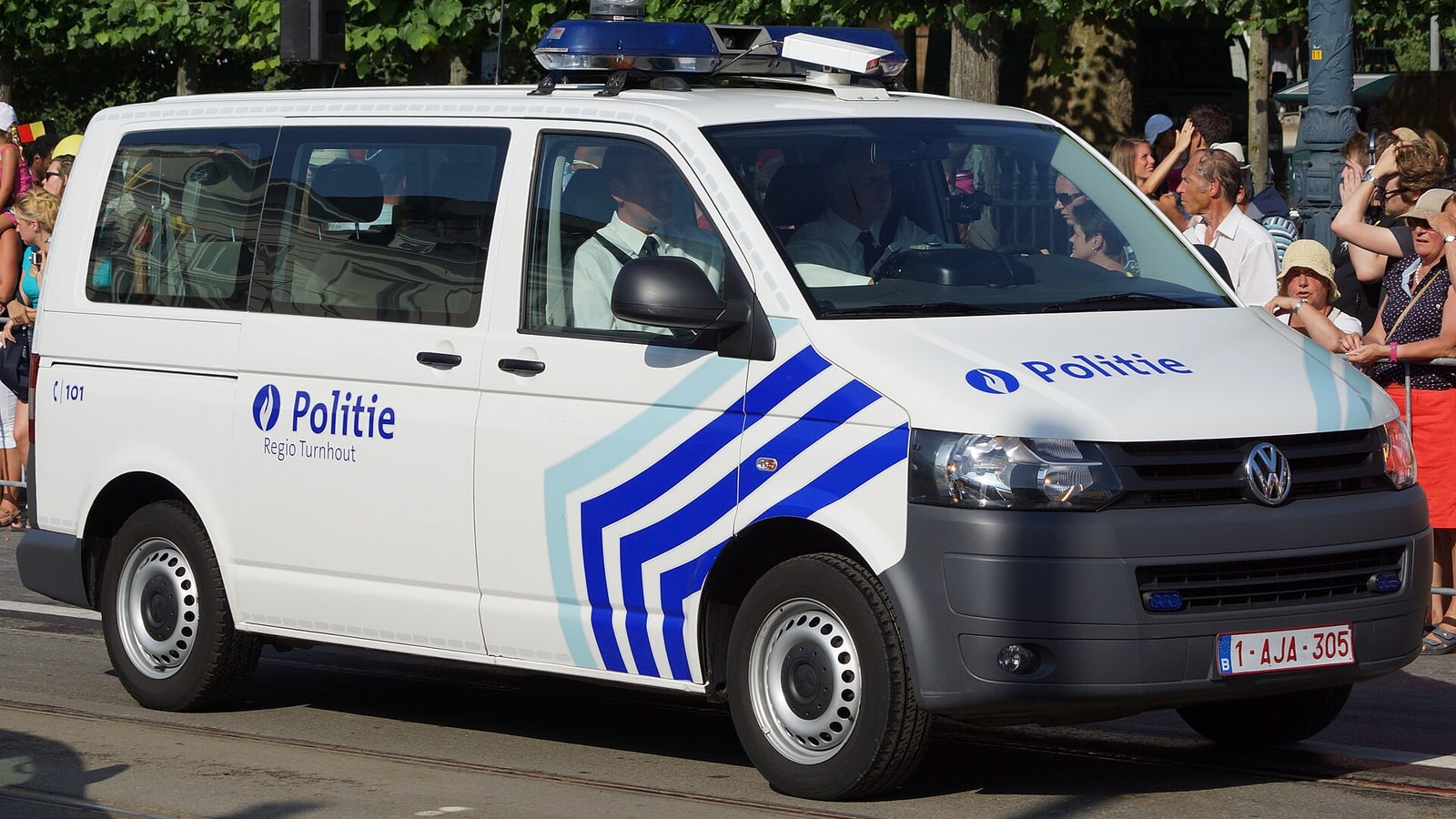
The Federale Wegpolitie stopped a heavy goods vehicle near Leuven after a transmigrant was seen waving from it, according to the Flemish daily Het Laatste Nieuws.
In 30 seconds
- The Federale Wegpolitie stopped a heavy goods vehicle near Leuven after a transmigrant was seen waving from it, according to Het Laatste Nieuws.
- 'Transmigrant' is the Belgian term for a migrant transiting the country, typically aiming to reach the United Kingdom by hiding in trucks.
- Motorway policing is a federal competence; asylum and migration policy sits with federal State Secretary Anneleen Van Bossuyt (N-VA).
- Leuven lies on the E40/E314 freight corridors long associated with UK-bound transmigration through Flanders.
The Federale Wegpolitie is the federal road police responsible for policing Belgium's motorways. A 'transmigrant' is a migrant transiting Belgium, typically bound for the United Kingdom, often by hiding in trucks. Named actors in the wider policy frame include Prime Minister Bart De Wever (N-VA), State Secretary for Asylum and Migration Anneleen Van Bossuyt (N-VA), and Minister of the Interior Bernard Quintin (MR). Federal reception is handled by Fedasil; refugee advocacy by Vluchtelingenwerk Vlaanderen; hauliers by federations such as Febetra and Transport en Logistiek Vlaanderen.
Background
Transmigration through Belgium intensified after 2015, with Brussels' Maximiliaanpark and Flemish motorway lay-bys near Groot-Bijgaarden and Jabbeke becoming known gathering points for people seeking to reach the UK. Repeated crackdowns and camp clearances have not closed the route, because the decisive pull factor lies across the Channel. Brexit shifted returns and cooperation outside EU asylum frameworks, leaving Belgium a persistent transit country.
What to do
Hauliers using the E40/E314 corridors face continued risk of stowaways, cargo damage and UK-border penalties; residents near motorway parking areas may see recurring police activity; and travellers should expect periodic enforcement operations on these routes.
The Belgian angle
Leuven and the surrounding Flemish Brabant freight corridors sit on well-established transmigration routes toward the Channel. Local police zones and municipalities absorb much of the day-to-day friction — public order at parking areas, resident complaints and coordination with the federal road police — even though core migration policy is decided federally.
EvidenceDeveloping · 1 primary source · some details remain unconfirmedExplore evidence →Hide evidence ↑
- Publication date unavailable
- Retrieved by ODIN:
- 25 Jul 2026
- Publication date unavailable
- Retrieved by ODIN:
- 25 Jul 2026
Continue reading

This story was assembled from verified evidence, with its sources and reasoning recorded as it was written.
This briefing was prepared with AI assistance and passed Belgium Impulse source, provenance and publication-quality checks. methodology.