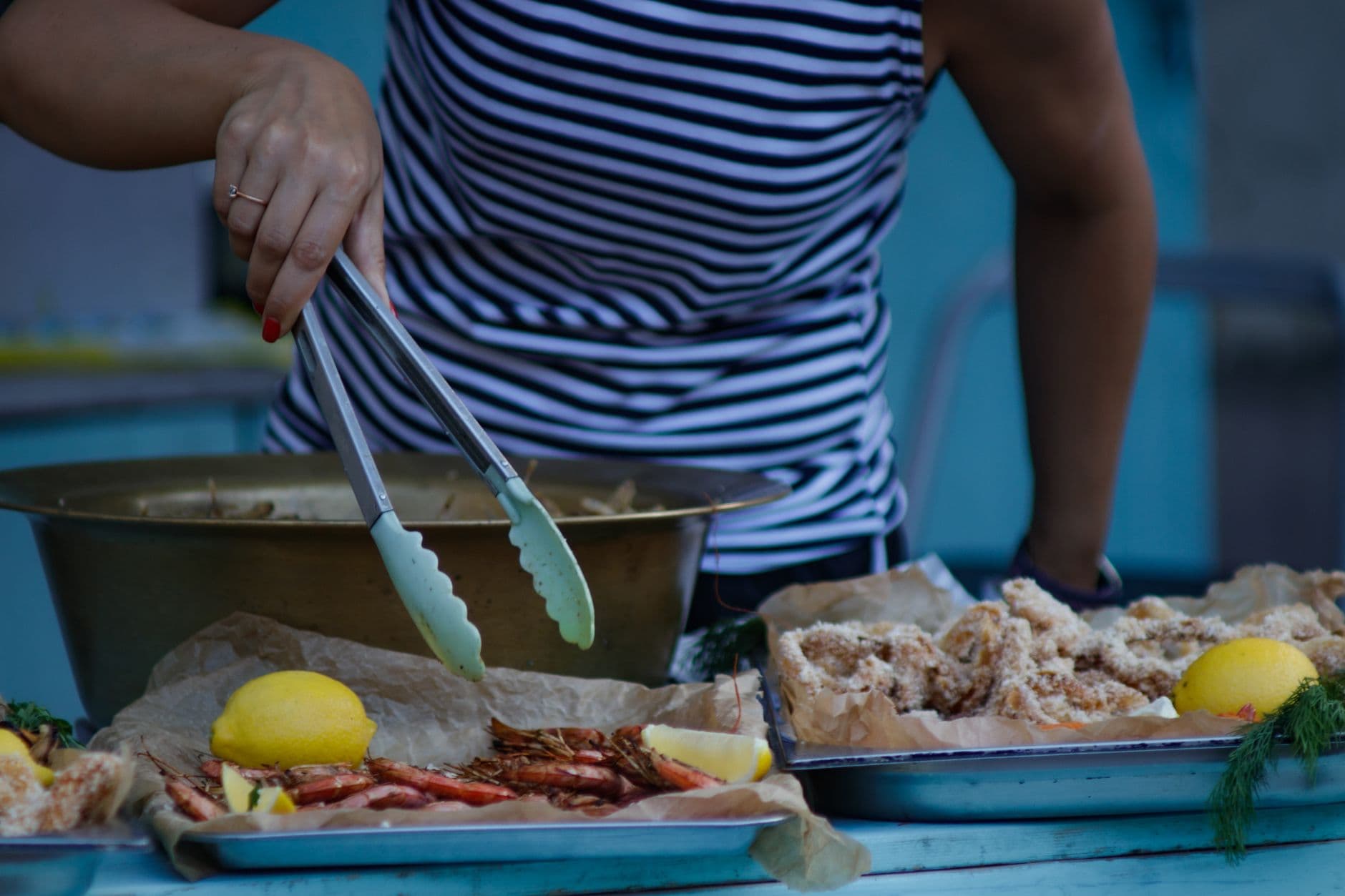
Why are people booking hotels and queuing early for Oostende’s shrimp-croquette festival?
Oostende’s Garnaalkrokettenfestival has become more than a seaside tasting event: it is now a small but revealing stress test of Belgian food tourism, coastal hospitality and the market for local culinary identity. The latest Flemish report, led by HLN, describes a couple from Mol who had speciaal hotel geboekt and stood at the door three hours in advance to secure tickets. That anecdote is striking because it shows how a once-local speciality has turned into a destination product for visitors from well beyond West Flanders. For Belgium-based readers, the practical point is simple: if you want to attend, treat the festival like a limited-capacity cultural event, not a casual food stall visit. Check official Oostende tourism channels early, plan transport or accommodation before ticket sales peak, and remember that the attraction is not only “veel tickets garnaalkrokettenfestival” hype but access to restaurants competing around a tightly defined regional product.
Trust & Evidence📚 4 sources· ✓ Editor reviewed· 🧠 AI-checked· Trust status: not yet independently verifiedView evidence & verification Hide
Verification record
- 📚 4 verified sources — HLN - Speciaal hotel geboekt én 3 uur op voorhand al aan de deur · Visit Ostend - Ostend shrimp croquettes · Streekproduct.be - Oostendse garnaalkroket · Toerisme Oostende Newsroom - Over 42,000 shrimp croquettes eaten at the third Shrimp Croquette Festival in Ostend
- 🧠 High confidence — AI-checked, editor-approved
- 🇧🇪 Belgian impact: High
- 📜 Provenance recorded & timestamped
Evidence is generated from the OIS evidence chain and reviewed before appearing on Belgium Pulse.
Powered by OIS / Evidentia
About this story
The subject is the Garnaalkrokettenfestival in Oostende, a Belgian coastal food event built around the Oostendse garnaalkroket: a grey North Sea shrimp croquette associated with Oostende fishermen, hand-peeling, a shrimp-head bisque and local preparation rules. Named stakeholders include Toerisme Oostende, Stad Oostende, VLAM/Streekproduct.be, participating Oostende restaurants, local hotels and visitors such as the couple from Mol reported by HLN. The story belongs primarily to lifestyle and Belgian regional tourism, not international politics, although it is relevant to expats and EU staff in Belgium because it illustrates how local Flemish food culture is packaged, protected and consumed.
How to read this story
The history
Shrimp croquettes have deep roots on the Belgian coast, especially around grey North Sea shrimp. Streekproduct.be links the Oostendse version to coastal fishermen bringing cooked, untreated shrimp ashore and to restaurants using heads for bisque and a filling with at least 30% peeled shrimp. Visit Ostend says the product is officially recognised as Flemish local gastronomy and must be prepared within a 10 km radius around Oostende. That history explains why the festival is not just a tasting queue: it is a public performance of local food rules, supply chains and seaside identity.
Regional impact
The strongest impact is in Oostende and wider West Flanders. Hotels, cafés, restaurants and the city’s tourism office benefit from visitors who come specifically for the festival, while the event reinforces Oostende’s position as more than a beach destination.
Local impact
In Oostende, the event supports restaurants, accommodation providers and the city’s image as a culinary coastal destination. It may also affect residents through busier streets, restaurant demand and crowd management around the venue.
International angle
Minor. The story is useful for international residents in Belgium because it explains a specifically Flemish coastal tradition in accessible English, but the centre of gravity remains Belgian regional food tourism.
What this means for you
For visitors: monitor Visit Ostend and the official webshop, do not rely on walk-up tickets, book trains or accommodation only after checking ticket timing, arrive with flexibility, and use the festival as a chance to compare recognised Oostende-style croquettes rather than expecting a standard street-food market.
Opposing perspectives
- Toerisme Oostende and Stad Oostende
The local-institutional framing is that the festival showcases a recognised Oostende product and strengthens the city’s food identity. Visit Ostend calls the croquette officially recognised Flemish local gastronomy, while Streekproduct.be presents it as a Belgian regional dish with defined criteria. This differs from a casual foreign-food-festival framing: the attraction is not just eating croquettes, but tasting a product tied to fishermen, registered producers and local preparation rules.
- Visitors from Mol and other food tourists
The visitor framing is practical and experiential: people want access, certainty and the feeling of being there for a limited event. The HLN anecdote of a couple from Mol who had a hotel geboekt uur voorhand and stood at the door early suggests scarcity has become part of the festival’s appeal. For this group, the key issue is not institutional recognition but whether they can actually get tickets, compare restaurants and justify the travel or overnight stay.
- Oostende restaurants and registered producers
For restaurants, the festival is a commercial opportunity but also a quality test. The Streekproduct.be criteria make the Oostendse garnaalkroket more demanding than a generic seafood snack: the shrimp, peeling, preparation area and recipe standards matter. That can protect serious producers, but it also raises expectations and cost pressures when large crowds want a consistent product in festival conditions.
Related to this story
Pulse Insight — This topic connects to 10 associations, 3 funding programmes, 127 upcoming events and 4441 jobs through the Flanders ecosystem.
Live connections from the Belgium Impulse ecosystem — not recommendations.
This briefing was prepared with AI assistance and reviewed by a Belgium Impulse editor before publication. methodology.