What should visitors expect when Balkan Trafik returns to Brussels?
Balkan Trafik will return to Brussels from 19 to 21 November 2026, ending a one-year pause with a 20th-anniversary edition inside the Brussels Stock Exchange.
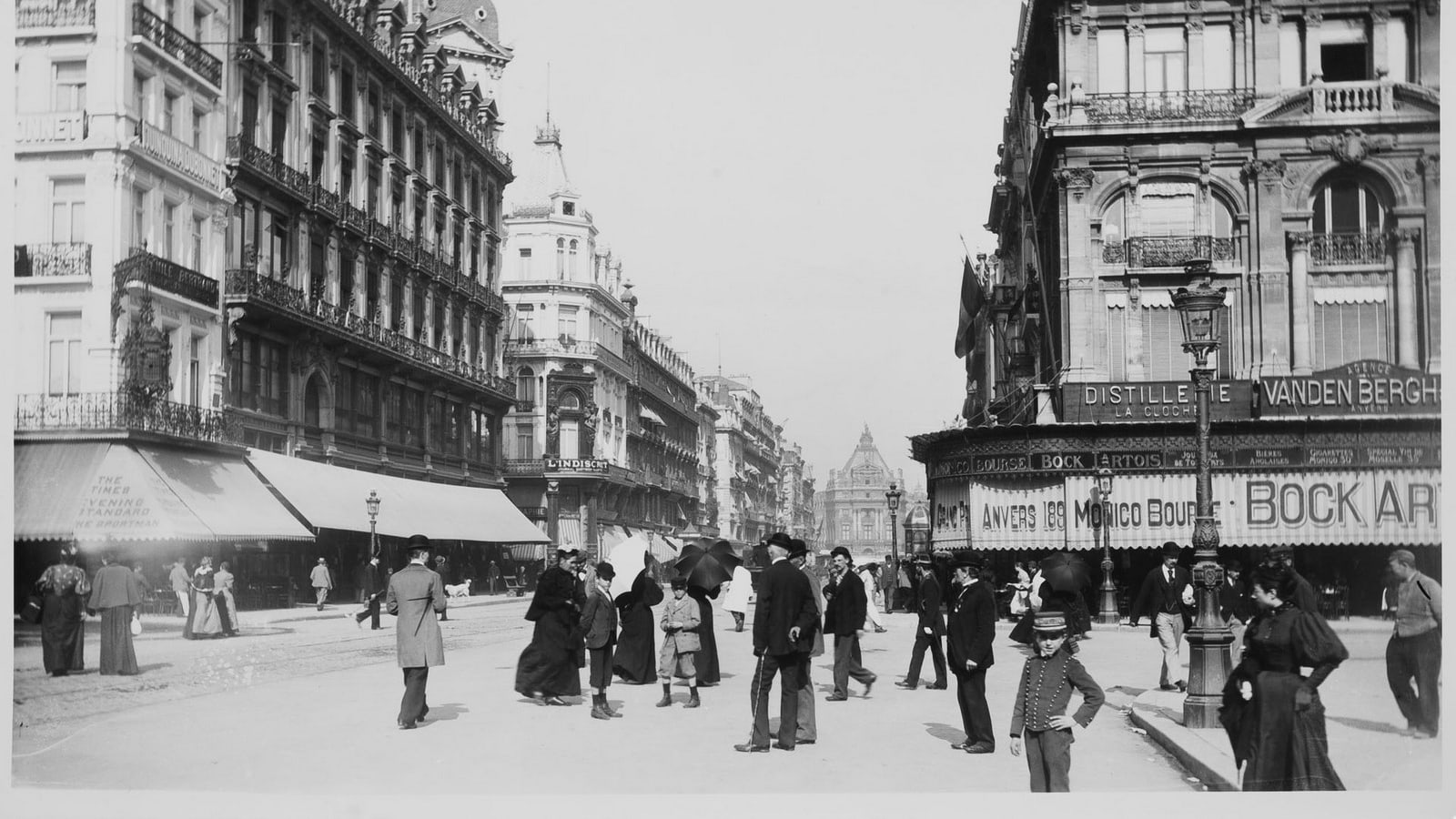
In 30 seconds
- The festival runs from Thursday 19 to Saturday 21 November 2026.
- It will use the entire Brussels Stock Exchange building for the first time.
- The indoor layout includes two principal stages, lounges, meeting areas and a Balkan Village.
- Saturday afternoon’s Balkan Agora is announced as free to enter.
Balkan Trafik will return to from Thursday 19 to Saturday 21 November 2026, ending a one-year pause with a 20th-anniversary edition inside the Brussels Stock Exchange. The practical essentials are straightforward: the festival will occupy the at Boulevard Anspach 80, Saturday afternoon will include a free public programme, and visitors should consult the organiser’s website before travelling because detailed schedules, admission prices and access conditions may still change.
BX1, reporting from the organiser’s announcement on 26 August, said this will be the first Balkan Trafik edition to use the entire Bourse building. Instead of the open-air format seen at Place de Brouckère in 2024, the anniversary event is being designed as a smaller-capacity indoor festival with two main stages, music lounges, meeting spaces and a Balkan Village. The regional tourism agency visit.brussels independently lists the same dates, venue and indoor arrangement.
What is on the programme?
The announced bill spans traditional and contemporary music from South-East Europe. According to BX1, performers include the Albanian ensemble Krojet e Velçës, Slovenian artist Zevin, Croatian musician Stela Rade, the Bojan Krstić Brass Band and DJ Shahash Akrimski. Belgium is represented by Muriel D’Ailleurs & Jama Orchestra and Belgian-Greek trumpeter Dominic Ntoumos.
That range is central to the festival’s identity. Its organiser, the non-profit association 1001 Valises, describes Balkan Trafik as a multidisciplinary cultural-diplomacy platform connecting artists from Brussels with counterparts in cities including Tirana, Skopje, Bucharest, Belgrade, Pristina, Sofia and Sarajevo. The official programme page promises music, dance, exhibitions, workshops, gastronomy, wine and meetings with communities, although a complete timetable was not yet displayed when this article was prepared.
The festival should therefore not be read as a single genre night. Brass music and polyphonic singing share space with electronic beats, Greek hip-hop, punk, jazz manouche and Balkan pop. Fanfares and artistic interventions are also due to move through the building, while the food offer is expected to include Balkan dishes, South-East European wines and Belgian beer, BX1 reported. Temporary tattoos inspired by the Croatian sicanje tradition are another announced element.
What can visitors attend for free?
Saturday afternoon’s is due to open the Bourse free of charge. BX1 says this daytime component will combine workshops and conversations with activists and civil-society organisations with a catwalk bringing together Balkan creators, designers from Belgium’s diaspora communities and traditional clothing.
That distinction matters when planning a visit: free entry to the Agora should not be assumed to cover every evening concert or every area of the festival. The organiser’s ticket page still showed information from the 2024 edition at the time of research, so its old prices and age rules should not be treated as valid for November 2026. Visitors should wait for a dated 2026 ticket notice on balkantrafik.com and confirm whether a day ticket, evening ticket or multi-day pass best fits their plans.
Getting to the Bourse
The venue stands at Boulevard Anspach 80 in the historic centre, within the territory of the City of Brussels commune — Stad Brussel in Dutch. On bilingual transport signs, look for Bourse in French and Beurs in Dutch. The nearby premetro stop is served by tram lines 4 and 10, while the official STIB-MIVB neighbourhood plan also lists bus connections. Brussels-Central and De Brouckère are alternative walking approaches through the city centre.
Public transport is likely to be easier than driving, particularly for evening performances in the pedestrianised central district. Travellers can use the STIB-MIVB journey planner in French, Dutch or English and should check the last departure for their specific night rather than relying on a normal weekday assumption.
Visitors with reduced mobility should contact the festival about access within the historic Bourse building and separately check their transport route. STIB-MIVB advises passengers to consult the live accessibility information for each stop; its services distinguish between stops accessible independently and those considered practicable with assistance. This is especially important because entrances and lift availability can differ even at the same station.
Why the Bourse changes the experience
Balkan Trafik previously spent many years at Bozar and later expanded into central public spaces. The Brussels Times reported that the 2024 edition at Place de Brouckère expected roughly 6,000 visitors and combined headline concerts with workshops, exhibitions, food and meetings with local communities. Moving all of that activity indoors concentrates the experience: visitors will be able to pass between performances, food, exhibitions and conversations without leaving the building, but the advertised limited capacity could make advance booking more important.
The setting also gives the anniversary a recognisably Brussels character. The Bourse sits at the centre of a bilingual, internationally connected city where communities from across Europe live alongside one another. The festival’s own account of its mission emphasises cultural exchange rather than presenting the Balkans as one uniform place. That is a useful distinction: South-East Europe contains different languages, religions, national histories and musical traditions, and the strongest version of Balkan Trafik lets those differences remain visible.
There are two legitimate expectations to balance. Organisers and participating communities present the festival as a bridge that can challenge stereotypes through encounters, collaboration and art. Some visitors, particularly members of the region’s diasporas, may reasonably judge the event by whether its compressed label of “Balkan” leaves enough room for distinct identities and contemporary voices. The breadth of the programme — and who is given space to explain the traditions on display — will determine how successfully the anniversary handles that tension.
For newcomers to Brussels, language should present relatively little difficulty. The festival website currently offers French, Dutch and English versions, while public transport uses paired names such as Bourse/Beurs and Bruxelles-Central/Brussel-Centraal. Individual performances may use other languages, so visitors who require surtitles, interpretation or an English-language workshop should verify those details once the session-by-session programme appears.
The next milestones are the publication of a complete timetable, current ticket prices, opening hours and detailed accessibility arrangements. Until then, the safest plan is to note 19–21 November, monitor the official festival and visit.brussels pages, and book promptly if a particular evening or artist is essential. The return is confirmed; the remaining question is how the Bourse’s more intimate format will reshape one of Brussels’ longest-running encounters with South-East European culture.
What to do
Set aside Thursday 19 to Saturday 21 November 2026 if you want to attend. Saturday afternoon’s Balkan Agora is announced as free, making it the clearest option for visitors who do not want to commit to a full festival programme. For other sessions, check the official Balkan Trafik website for programme details, ticket availability and prices before travelling, as these are not supplied in the article. The site is available in English, French and Dutch. Because the festival is entirely indoors at the Bourse, advance planning is advisable, particularly for popular performances and visitors with accessibility needs.
The Belgian angle
The festival brings a three-day cultural programme to the pedestrianised centre of the City of Brussels and gives local diaspora artists and organisations a prominent meeting place alongside visiting performers.
EvidenceWell established · 1 primary source + 3 official documents · Background sources: 2Explore evidence →Hide evidence ↑
- Published:
- 26 Aug 2026, 02:00
- Retrieved by ODIN:
- 26 Aug 2026
- Publication date unavailable
- Retrieved by ODIN:
- 26 Aug 2026
- Publication date unavailable
- Retrieved by ODIN:
- 26 Aug 2026
- Publication date unavailable
- Retrieved by ODIN:
- 26 Aug 2026
- Published:
- 25 Apr 2024, 02:00
- Retrieved by ODIN:
- 26 Aug 2026
- Published:
- 30 Dec 2025, 01:00
- Retrieved by ODIN:
- 26 Aug 2026
Voices & reactions
What the main actors are doing
Reported positions, summarised — not direct quotationsFestival organisers and cultural partners
1001 Valises presents Balkan Trafik as cultural diplomacy: a place where artists and communities from Brussels and South-East Europe meet, challenge stereotypes and connect traditional practices with contemporary music and visual culture.
Diaspora communities and culturally curious visitors
These audiences may welcome the visibility while still expecting the broad “Balkan” label to respect distinct national, linguistic, Roma and regional identities. Representation depends on who performs, who interprets the traditions and how much space contemporary voices receive.
The story, connected
Explore the people, places and ideas in this story
Go beyond the headline. Open a card for sourced context, maps, official links and the other subjects connected to this report.
Continue reading


This story was assembled from verified evidence, with its sources and reasoning recorded as it was written.
This briefing was prepared with AI assistance and passed Belgium Impulse source, provenance and publication-quality checks. methodology.