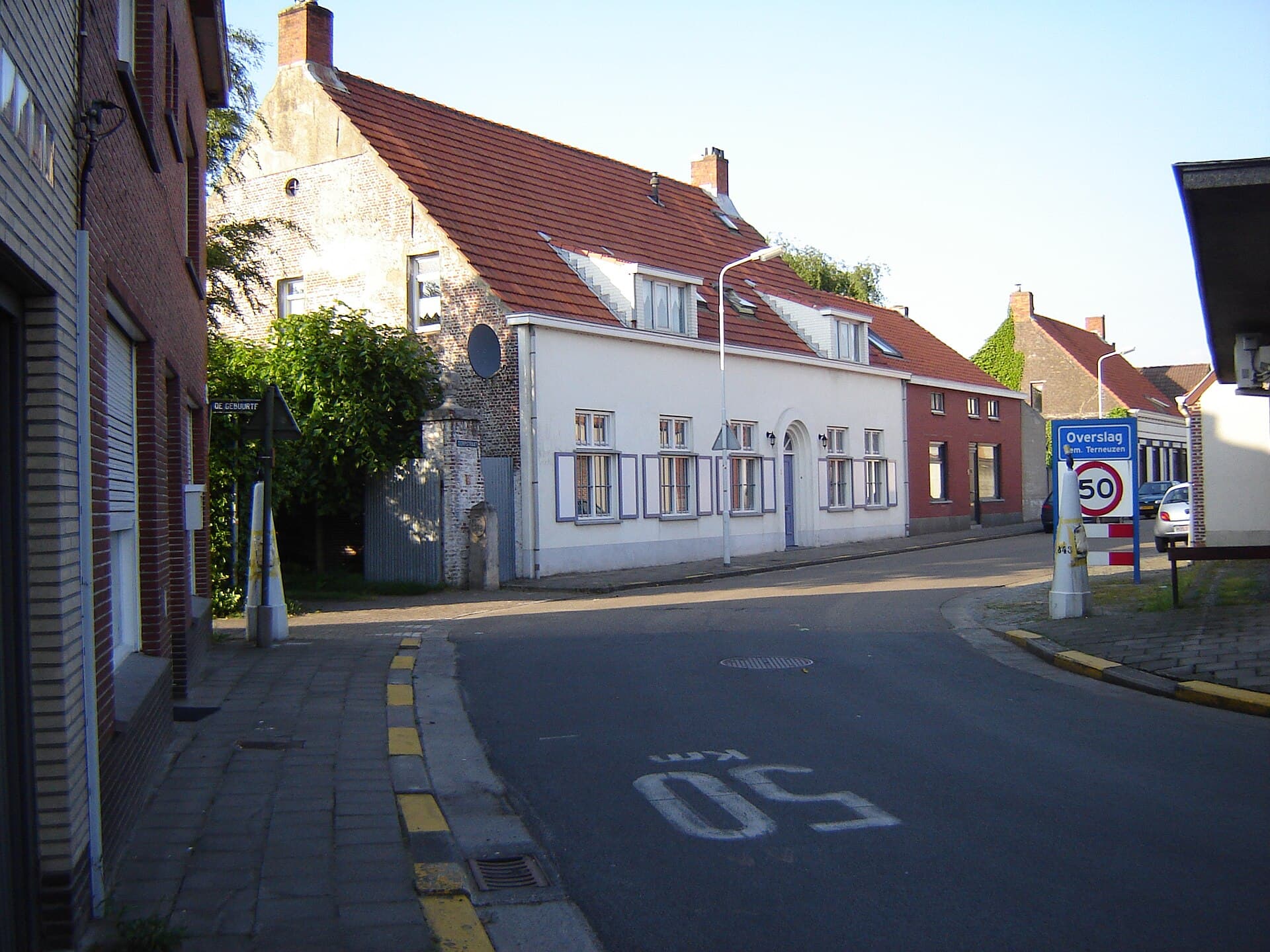
What should Belgium-based families know after a fatal cycling-school crash near the Dutch border?
For families in Belgium who live, study or travel across the Dutch border, the practical takeaway is simple: in a serious incident in the Netherlands, call 112 first, follow Dutch police instructions, and use Belgian channels only for consular, school or municipal follow-up. Flemish reports said a car drove into a group of cycling pupils in the Netherlands, vlakbij grens met België, killing an adult and two children; a person was reportedly detained. The official investigation, however, belongs to Dutch police and prosecutors, and families should avoid relying on social media names, images or rumours. What happened? De Morgen reported that an auto rijdt in op fietsende leerlingen in the Netherlands near Belgium, with a volwassene twee kinderen overleden and a person aangehouden. The available public reporting does not yet establish motive, precise liability, or whether any Belgian residents were among the victims. That distinction matters: a detention after a fatal collision is not the same as a conviction, and Dutch authorities normally release confirmed details cautiously when children are involved. What to do if your child cycles or travels in the Dutch border area 1. Save the right numbers: 112 works in Belgium and the Netherlands for police, ambulance and fire. For non-urgent Dutch police matters, use the local Politie channel rather than Belgian emergency lines. 2. Check the school’s travel protocol: Belgian schools, youth organisations and sports clubs crossing into the Netherlands should have an emergency contact list, parental consent details, medical information and insurance references. Ask your school secretariat or inrichtende macht/pouvoir organisateur which insurer covers cycling trips, school excursions and cross-border routes. 3. Keep documents accessible: for children, keep a copy of the Kids-ID, European Health Insurance Card and emergency medical notes. For adults, carry an eID or passport and insurer assistance number. 4. Register longer trips where relevant: FPS Foreign Affairs points Belgian travellers to Travellers Online and says consular support is mainly for serious situations such as death, serious accident, disappearance, arrest or child abduction. For a day trip over the Dutch border, registration is not usually the main tool; for camps, tours or longer stays, it is worth considering. 5. Know the language layer: Dutch police, municipal and hospital communication will normally be in Dutch. Belgium-based Francophone families may need translation help from the school, insurer or commune. In bilingual Brussels, the commune/gemeente of residence can help with civil-status follow-up, but it will not run the Dutch investigation. Belgian institutions that may matter If a Belgian national dies abroad, families normally deal with the Belgian embassy or consular services, the commune/gemeente of residence, the insurer, and sometimes the mutualité/ziekenfonds. For the Netherlands, the relevant Belgian diplomatic network is listed through FPS Foreign Affairs’ embassies and consulates portal. If the family lives in Antwerp, Essen, Hoogstraten, Turnhout, Lommel, Maaseik, Brussels or another Belgian municipality, the local commune/gemeente may later be involved in civil records, certificates or administrative support. For non-Belgian expats living in Belgium, the chain can be different: your own embassy may handle consular matters, while your Belgian commune, employer, school and insurer handle residence, school and administrative questions. EU citizens should also check whether their home-country health insurance and Belgian mutuality arrangements overlap. The broader view This story sits at the uncomfortable meeting point of two everyday realities: the Dutch-Belgian border is socially porous, while emergency systems remain national. Children in border regions often cycle, attend school, visit friends, play sport or take excursions across municipal and national lines. A road can feel local to residents of both countries, but police procedure, victim support, insurance and official communication change the moment the incident is on Dutch soil. It also reinforces a wider road-safety concern familiar in Belgium and the Netherlands: children on bicycles are highly visible in daily life but physically vulnerable in any collision with a car. That does not mean parents should panic or stop children cycling. It does mean schools and families should treat cross-border routes as planned mobility, not casual logistics: who leads the group, what roads are used, where are the crossing points, what happens if the group is split, and who contacts parents? What to watch next The next reliable information should come from Dutch police, prosecutors or the municipality where the crash occurred. Key points are whether authorities confirm the identities and ages of the victims, the status of the detained person, the suspected cause, whether alcohol, speed, medical factors or intent are being examined, and whether any Belgian residents or institutions are directly involved. Until then, Belgium-based readers should treat this less as a rumour-driven crime story and more as a practical reminder: when life crosses the border, your emergency plan should too.
Trust & Evidence📚 6 sources· 🧠 AI-checked· Trust status: not yet independently verifiedView evidence & verification Hide
Verification record
- 📚 6 verified sources — De Morgen · FPS Foreign Affairs - Travel advice · FPS Foreign Affairs - Safe Travel: Help us help you · Travellers Online - FPS Foreign Affairs …
- 🧠 Medium confidence — AI-checked
- 🇧🇪 Belgian impact: High
- 📜 Provenance recorded & timestamped
Evidence is generated from the OIS evidence chain and reviewed before appearing on Belgium Pulse.
Powered by OIS / Evidentia
About this story
The subject is a fatal road incident in the Netherlands close to Belgium, reported by Flemish media as involving a car striking a group of cycling school pupils. The lifestyle-service angle is not to speculate about culpability, but to explain what Belgium-based families, schools and expats should do when a serious accident happens across the border: contact Dutch emergency services first, use Belgian consular and municipal channels where relevant, and understand the Dutch-language administrative environment.
How to read this story
The history
The Belgium-Netherlands border has long functioned as a daily-life border rather than a hard social boundary: people commute, cycle, shop and attend events across it. Schengen makes movement easy, but policing, emergency response, civil records and victim support remain national systems. That is why cross-border incidents often feel local but are handled through separate Dutch and Belgian institutions.
Regional impact
The strongest Belgian relevance is in Flemish and Brussels households with routine links to Dutch border areas, especially border gemeenten such as Essen, Hoogstraten, Turnhout, Lommel, Maaseik and Baarle-Hertog, plus expat families whose children travel with schools or clubs.
Local impact
For Belgian border gemeenten and Brussels-based expat families, the practical impact is preparedness: schools and parents should know the route, emergency contacts, insurance coverage and language arrangements before children travel or cycle in the Netherlands.
International angle
This is a cross-border daily-life issue rather than a geopolitical one: Schengen makes movement easy, but emergency response and legal procedures remain national.
What this means for you
Before a school or club crosses into the Netherlands, parents should have the organiser’s emergency number, know who carries medical and ID information, check whether the insurer covers cross-border cycling, and understand that urgent help comes through Dutch 112 while Belgian FPS Foreign Affairs, the embassy network and the home commune/gemeente are follow-up channels.
Related to this story
Pulse Insight — This topic connects to 10 associations, 3 funding programmes, 127 upcoming events and 4441 jobs through the Flanders ecosystem.
Live connections from the Belgium Impulse ecosystem — not recommendations.
This briefing was prepared with AI assistance and reviewed by a Belgium Impulse editor before publication. methodology.