
US and Iran open 60-day talks after Hormuz ceasefire deal
The United States and Iran have moved from warfighting to a fragile interim bargain. The MOU text says both sides declare an immediate end to military operations, start a maximum 60-day negotiation period, reopen commercial passage through the Strait of Hormuz, and discuss the future handling of Iran’s enriched uranium under IAEA supervision. AP reports that the most difficult nuclear questions remain unresolved, including the fate of highly enriched uranium and whether any final deal can match the technical detail of the 2015 JCPOA. The Council of the EU says freedom of navigation through Hormuz and Iran’s nuclear trajectory remain core European concerns. For Belgium, the main relevance is indirect but concrete: energy prices, shipping costs, sanctions policy and NATO-EU diplomacy are all shaped by whether the ceasefire holds. The deal reduces immediate economic pressure, but it shifts the hard part into a short diplomatic window.
Verified by Validiris·📚 7 sources·🧠 AI-checked·🇧🇪 Belgian: MediumWhy you can trust this
The Iran Conflict: Nuclear, Regional and Diplomatic
The decades-long confrontation between Iran and its adversaries — the United States, Israel, Saudi Arabia, and proxies across the region — covering the nuclear file, sanctions, the JCPOA collapse, the post-October 2023 escalation, and current diplomatic openings.
About this story
Donald Trump (US president, returned to office in 2025) is presenting the interim arrangement as a way to end the Iran war. Iran (Islamic Republic in West Asia, governed by a clerical-republican system since 1979) is the counterparty whose nuclear programme and regional alliances are at issue. Masoud Pezeshkian (Iranian president since 2024) is named in reporting around the signing process. The Strait of Hormuz (narrow sea passage between Iran and Oman) is a strategic route for Gulf energy exports. The International Atomic Energy Agency (UN nuclear watchdog, founded in 1957) would supervise parts of the uranium process under the MOU text. The JCPOA (2015 Iran nuclear accord) is the benchmark for detailed nuclear restrictions. The G7 (Canada, France, Germany, Italy, Japan, the UK, the US and the EU) backed follow-up diplomacy. Hezbollah (Iran-aligned Lebanese armed movement and political party) matters because the MOU text includes Lebanon.
How to read this story
The history
The Council of the EU says the JCPOA was agreed on 14 July 2015 and implemented after UN Security Council resolution 2231, with nuclear-related EU sanctions lifted on 16 January 2016. Trump withdrew the US from the JCPOA in 2018, and AP notes that the earlier pact took more than 18 months to negotiate. The Council says the EU maintained some proliferation-related measures in 2023 and reimposed nuclear-related economic and financial sanctions on 29 September 2025. That history explains why a 60-day window is seen as ambitious.
The geopolitics
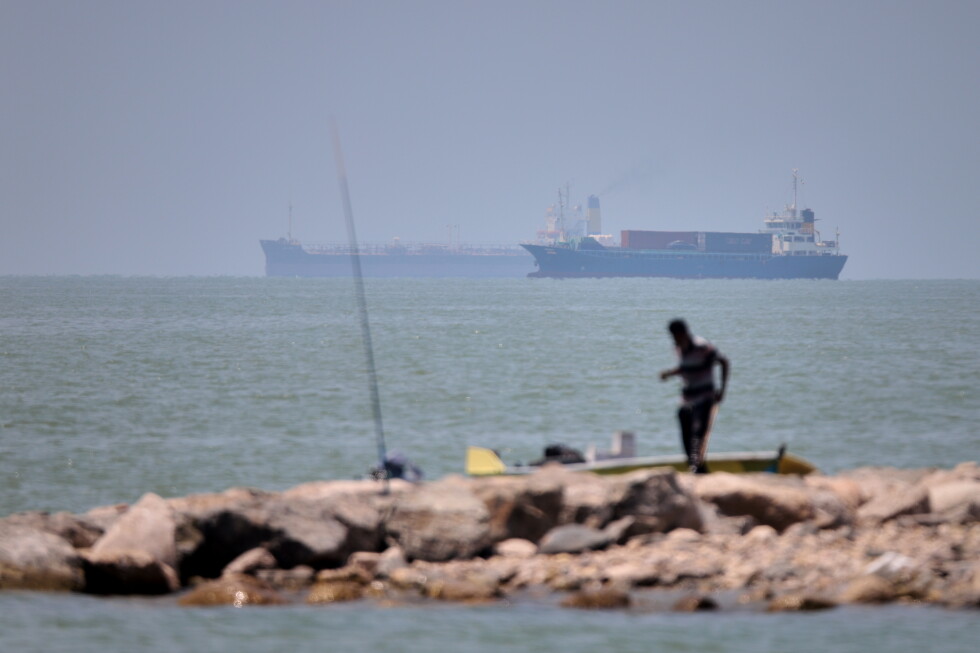
The deal shows that maritime chokepoints can discipline military strategy. Iran could not defeat the United States conventionally, but disruption around Hormuz created global economic pressure. The United States could strike Iran, but reopening trade routes required concessions and diplomacy. Europe’s role is secondary: it bears economic and security consequences while trying to shape follow-up talks on missiles, proxies and nuclear verification.
Why now
The immediate trigger is the release of the 14-point MOU text on 17 June 2026 and the start of a short diplomatic window. The war had become economically costly because Hormuz disruption threatened energy, shipping and inflation channels, creating pressure for a ceasefire before a fuller nuclear settlement existed.
What to watch
Watch whether Hormuz traffic returns within the MOU’s 30-day implementation language, whether the IAEA can define uranium down-blending procedures, whether US sanctions waivers are issued cleanly, and whether a final agreement is reached within the 60-day window or extended by mutual consent.
Regional impact
The split is between EU-level policy and Belgian federal exposure. The Council of the EU says Iran sanctions, freedom of navigation in Hormuz and nuclear proliferation are handled through EU foreign-policy instruments, so Brussels institutions will follow whether the MOU leads to sanctions changes or a UN Security Council resolution. Belgium’s federal government is not the negotiating actor, but Belgian households, fuel buyers, ports and import-dependent firms feel the downstream price and logistics effects if maritime traffic or energy markets remain unstable.
Local impact
The most local Belgian exposure is the Port of Antwerp-Bruges and the logistics, chemicals and energy-linked firms around it. They are not parties to the deal, but shipping insurance, fuel costs, fertilizer inputs and route reliability all feed into Belgian port operations and industrial supply chains when Gulf traffic is disrupted or gradually restored.
International angle
This is a cross-border security and trade story centred on the United States, Iran, the Gulf and Europe. The Council of the EU says Hormuz freedom of navigation and Iran’s nuclear programme are EU concerns, while the MOU text points toward IAEA supervision and a possible binding UN Security Council resolution if a final deal emerges.
What this means for you
Belgian readers should expect market sensitivity rather than an immediate domestic policy change. Fuel, gas-linked electricity, fertilizer, freight and insurance costs may ease if maritime passage normalises, but volatility can return if either side disputes implementation. Businesses exposed to Gulf shipping or energy inputs should treat the next 60 days as a monitoring period, not as a settled peace.
What happens next
The MOU text says the United States and Iran have up to 60 days, extendable by mutual consent, to negotiate a final agreement. The immediate tests are whether military operations stop, whether Hormuz traffic returns safely, whether US sanctions waivers function in practice, and whether IAEA-supervised arrangements for enriched uranium can be made specific enough to satisfy skeptical governments and lawmakers.
Potential consequences
If the ceasefire holds, energy and freight volatility could ease and EU policymakers may gain space to coordinate sanctions adjustments with IAEA monitoring. If talks stall, the same chokepoint leverage could return quickly, with renewed pressure on fuel, fertilizer, shipping insurance and Middle East security. A weak final text could also deepen mistrust between Washington, European allies, Israel, Gulf states and Iran’s regional opponents.
Opposing perspectives
- G7 leaders
The G7 leaders’ statement frames the interim deal as a necessary opening: stop the fighting, restore maritime traffic and use the ceasefire to pursue a fuller agreement on nuclear, ballistic-missile and regional-security issues. This view treats the MOU as imperfect but preferable to a continued Hormuz shock and wider Middle East escalation.
- US congressional skeptics
AP reports that Republican and Democratic lawmakers question whether a 60-day process can resolve uranium, enrichment and verification questions that took more than 18 months in the JCPOA process. Their strongest argument is that early economic concessions may reduce leverage before Iran’s nuclear programme is technically constrained.
- EU foreign-policy institutions
The Council of the EU’s position stresses navigation rights, sanctions and non-proliferation. From this frame, the deal matters less as a Trump-Iran bargain than as a test of international law, freedom of passage through Hormuz and whether any final settlement restores credible IAEA monitoring.
Timeline
- 2015-07-14·The Council of the EU says Iran and the E3/EU3 agreed the JCPOA in Vienna.
- 2016-01-16·The Council of the EU says nuclear-related EU economic and financial sanctions were lifted on JCPOA implementation day.
- 2018-05-08·AP notes that Trump withdrew the United States from the JCPOA during his first term.
- 2025-09-29·The Council says the EU reimposed nuclear-related economic and financial sanctions against Iran.
- 2026-03-10·UNCTAD published its assessment of Hormuz disruptions and global trade risks.
- 2026-06-17·The MOU text was read to reporters and published in transcript form, setting a 60-day negotiation period.
Glossary
- MOU
- A memorandum of understanding is a political or administrative agreement that records commitments but is usually less formal than a treaty.
- IAEA
- The International Atomic Energy Agency is the UN-linked nuclear watchdog that verifies civilian nuclear programmes and safeguards nuclear material.
- JCPOA
- The Joint Comprehensive Plan of Action was the 2015 Iran nuclear agreement between Iran, the P5+1 and the EU.
- UNSC resolution
- A United Nations Security Council resolution can create binding obligations under the UN system when adopted under the relevant UN Charter powers.
- EU sanctions
- Restrictive measures adopted by EU member states collectively, often including asset freezes, travel bans, trade bans or financial restrictions.
Related to this story
Live connections from the Belgium Impulse ecosystem — not recommendations.
This briefing was prepared with AI assistance and reviewed by a Belgium Impulse editor before publication. methodology.