United States and Iran move closer to war-ending deal
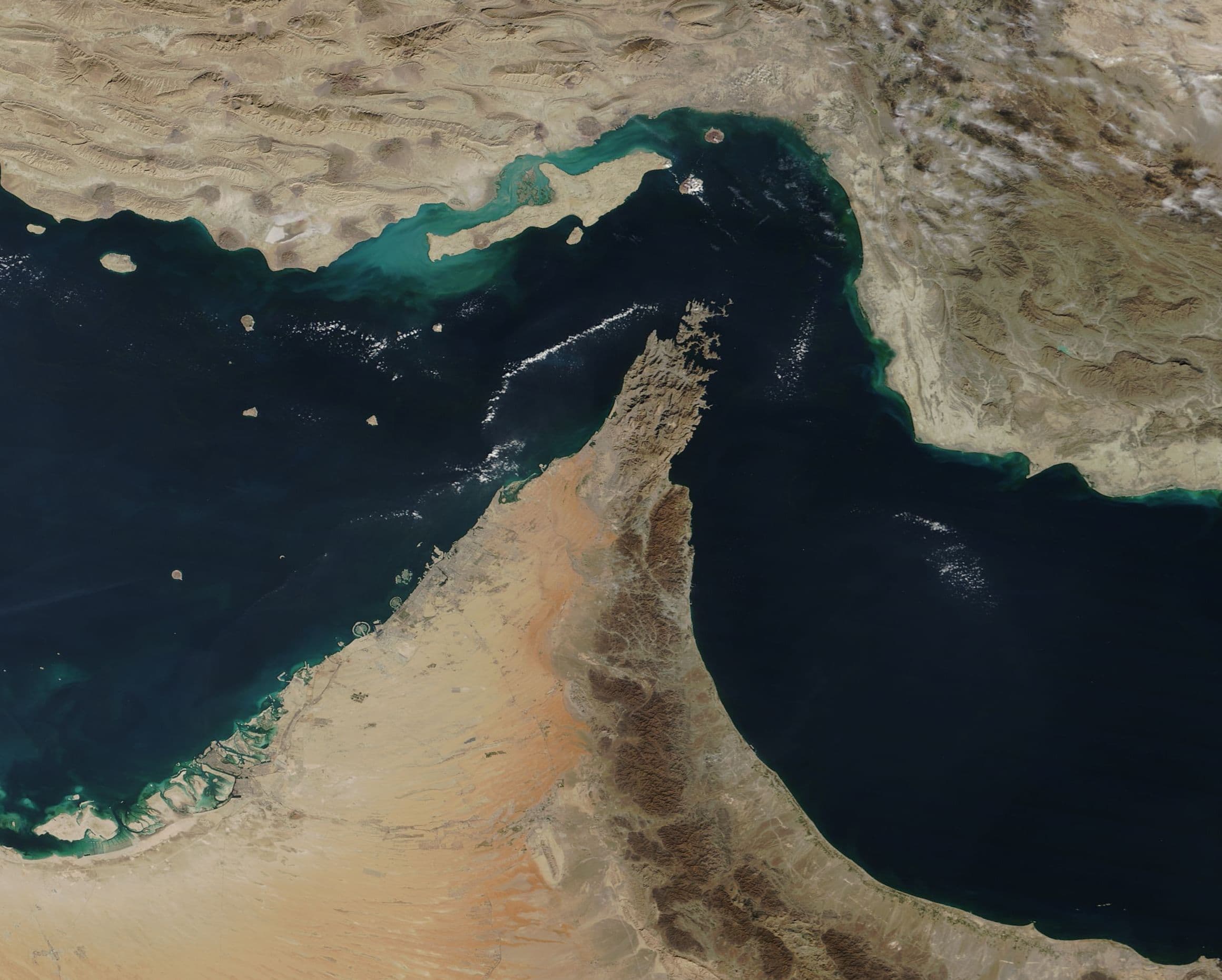
The United States and Iran appear closer to an interim agreement that would extend the fragile ceasefire, reopen the Strait of Hormuz and start a defined period of nuclear talks, but the text remains politically exposed. Pakistan's prime minister Shehbaz Sharif said a deal was expected soon, while Iran's Foreign Minister Abbas Araghchi said the Islamabad Memorandum of Understanding was near finalisation. A senior US administration official said the emerging arrangement would begin work on removing or destroying Iran's highly enriched uranium, and US Central Command said it intercepted Iranian drones aimed at commercial shipping in the strait. For Belgium, the story is not primarily diplomatic theatre: the US Energy Information Administration identifies Hormuz as a core oil transit chokepoint, so any durable reopening would feed into energy prices, shipping costs, inflation pressure and EU security calculations.
Verified by Validiris·📚 7 sources·🧠 AI-checked·🇧🇪 Belgian: MediumWhy you can trust this
The Iran Conflict: Nuclear, Regional and Diplomatic
The decades-long confrontation between Iran and its adversaries — the United States, Israel, Saudi Arabia, and proxies across the region — covering the nuclear file, sanctions, the JCPOA collapse, the post-October 2023 escalation, and current diplomatic openings.
About this story
Abbas Araghchi (Iran's foreign minister since 2024 and a veteran nuclear negotiator) is Tehran's public face in the talks. Shehbaz Sharif (Pakistan's prime minister, serving again from 2024) is acting as a mediator between Washington and Tehran. The Islamabad Memorandum of Understanding (proposed 2026 interim US-Iran deal text linked to Pakistan-hosted mediation) is the framework now under discussion. The Strait of Hormuz (narrow Gulf waterway between Iran and Oman) is one of the world's main oil and gas shipping routes. The International Atomic Energy Agency (Vienna-based UN nuclear watchdog, founded in 1957) monitors safeguards at Iran's nuclear facilities. Hezbollah (Iran-backed Lebanese Shia movement and armed group, founded in the early 1980s) is central to the Lebanon track. The JCPOA (2015 Iran nuclear agreement with world powers) is the precedent shaping arguments over verification and sanctions relief.
How to read this story
The history
The emerging deal sits in the shadow of the 2015 JCPOA, which limited Iranian enrichment and expanded monitoring before the United States withdrew in 2018. The International Atomic Energy Agency reported after the 2025 twelve-day war that it could not verify the status of all enrichment activity or the full location of Iran's enriched uranium stockpile. Earlier Gulf crises also show the stakes of maritime disruption: the 1980s tanker war and 2019 tanker incidents turned Hormuz into a recurring pressure point where energy security, military deterrence and diplomacy overlap.
The geopolitics
The negotiations test whether coercion, sanctions and mediation can produce a stable settlement after a direct US-Iran war. Hormuz gives Tehran leverage over global energy flows, while the nuclear file gives Washington and Israel a security rationale for pressure. Pakistan's mediation also shows how middle powers can gain influence when traditional Western-led diplomacy lacks trust on one or both sides.
Why now
The story is timely because Pakistani, Iranian and US officials signalled on 12 and 13 June 2026 that an interim text may be close, even as US Central Command said Iranian drones targeted commercial shipping. Diplomacy and military risk are moving at the same time.
What to watch
Watch for a signed text, the first technical uranium talks, any IAEA role, visible restoration of tanker traffic through Hormuz, and whether Israel accepts or rejects the Lebanon-related provisions. A renewed drone or tanker incident would be the clearest warning sign that the ceasefire is slipping.
Regional impact
The EU angle is diplomatic and energy-security driven: EU institutions in Brussels would help shape any sanctions stance, non-proliferation position and maritime-security response. Federal Belgium would feel the effect through foreign policy, strategic reserves and consumer-price monitoring. Flanders, Wallonia and Brussels would not face separate legal obligations, but their economies would feel different exposure through ports, logistics, industry, commuting and household energy use. That makes the impact multi-level, though not regionally divergent in a constitutional sense.
Local impact
The most local Belgian effect would be felt around Antwerp-Bruges port logistics, Belgian fuel distribution and energy-intensive industries in Flanders and Wallonia. A sustained reopening of Hormuz could reduce pressure on shipping routes, diesel costs and chemical-sector input prices, while renewed disruption would pass through freight contracts and consumer prices rather than through a direct Belgian security role.
International angle
This is a cross-border security and energy story centred on the United States, Iran, the Gulf, Israel and Lebanon, with the EU affected through sanctions policy, energy resilience and maritime-security debate. Brussels matters as the EU decision-making centre, but the main event is whether Washington and Tehran can convert a temporary ceasefire into enforceable nuclear and shipping arrangements.
What this means for you
Belgian readers should not expect an immediate local policy change, but fuel prices, freight rates and energy-market expectations could move quickly if the deal is signed or collapses. Businesses exposed to transport, chemicals, agriculture and imported energy should follow contract and insurance signals, while policy readers should watch the EU sanctions and maritime-security response.
What happens next
The immediate next step is whether Washington and Tehran approve and sign the interim text. If that happens, technical talks are expected to focus on uranium removal or disposal, maritime access through Hormuz, sanctions sequencing and whether Lebanon is covered. If the signing slips or drone and shipping incidents continue, the ceasefire could weaken before negotiators reach the more difficult verification stage.
Potential consequences
A credible deal could reduce energy-market risk, lower shipping insurance pressure and create diplomatic room for renewed IAEA monitoring. A weak or disputed text could do the opposite: encourage more brinkmanship around Hormuz, deepen Israeli objections, leave Lebanon outside the settlement and keep EU policymakers trapped between sanctions enforcement and price stability. For Belgium, the most plausible second-order effect is through fuel, freight and fertiliser costs rather than direct military exposure.
Opposing perspectives
- US administration
The US administration's strongest case is that an interim deal can lock in a ceasefire, reopen a global energy chokepoint and create a time-limited technical process for uranium removal. A senior US administration official said the draft would not release major economic benefits until Iran meets obligations, framing the agreement as leverage rather than concession.
- Iranian government
Iran's strongest argument is that any settlement must recognise its sovereignty, end sanctions pressure and address the war's regional fronts. Iranian Foreign Minister Abbas Araghchi said the Islamabad Memorandum of Understanding was close but warned against speculation, while Tehran's position links sanctions relief and maritime arrangements to a broader security package.
- Israel government
Israel's stated concern is that a narrow US-Iran text could leave Iran's missile capacity, regional allies and nuclear knowledge intact. Israeli officials have warned that Israel could act independently if the deal does not restrain Iran and if fighting in Lebanon remains unresolved.
- Energy and shipping stakeholders
Energy and shipping stakeholders would prioritise verifiable freedom of navigation over diplomatic language. The US Energy Information Administration identifies Hormuz as a core oil chokepoint, so their strongest view is that markets need actual tanker flows, insurance normalisation and enforceable maritime rules, not only an announced ceasefire.
Timeline
- 2015-07-14·Iran and world powers reached the JCPOA nuclear agreement.
- 2018-05-08·The United States withdrew from the JCPOA under President Donald Trump.
- 2025-06-13·The twelve-day Iran-Israel war began with strikes on Iranian military and nuclear targets.
- 2026-02-27·The International Atomic Energy Agency reported it could not verify all Iranian enrichment activity after denied access to damaged facilities.
- 2026-04-07·A fragile US-Iran ceasefire came into effect, according to the reporting consulted.
- 2026-06-12·Iranian Foreign Minister Abbas Araghchi said the Islamabad Memorandum of Understanding was near finalisation.
- 2026-06-13·Pakistan's prime minister Shehbaz Sharif said a deal could be finalised soon, while US and Iranian positions remained cautious.
Glossary
- IAEA
- The International Atomic Energy Agency, the Vienna-based UN nuclear watchdog that verifies whether declared nuclear material remains in peaceful use.
- JCPOA
- The 2015 Iran nuclear deal that limited enrichment and expanded monitoring in exchange for sanctions relief.
- Strait of Hormuz
- The narrow maritime passage between Iran and Oman that carries major oil and liquefied natural gas flows from the Persian Gulf.
- Sanctions relief
- The suspension or removal of financial, trade or energy restrictions imposed by states or international bodies.
Related to this story
Live connections from the Belgium Impulse ecosystem — not recommendations.
This briefing was prepared with AI assistance and reviewed by a Belgium Impulse editor before publication. methodology.