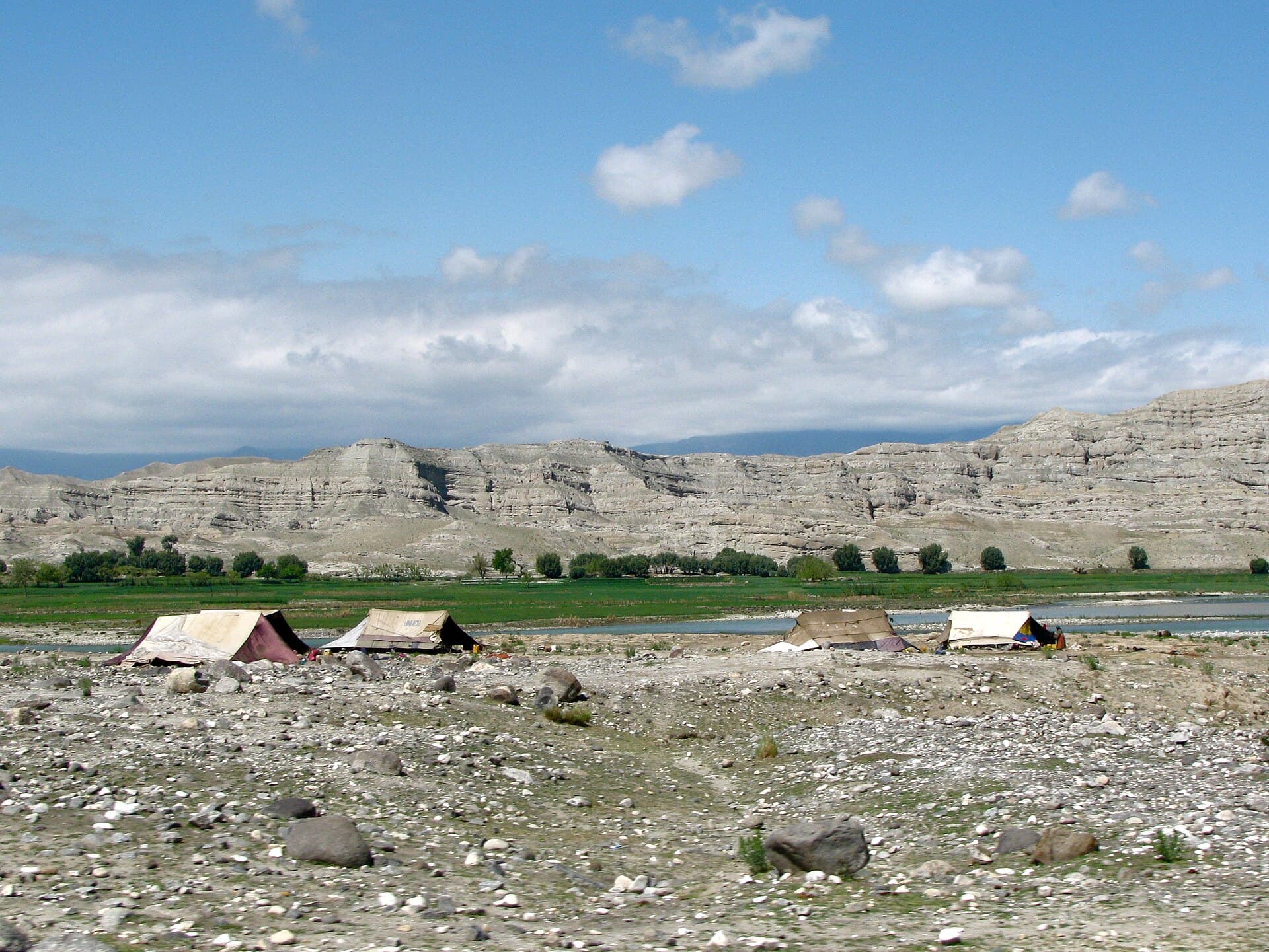
UNHCR counts 117.8 million forcibly displaced people worldwide
UNHCR says global forced displacement fell in 2025 for the first time in a decade, but the decline leaves the world with 117.8 million people still uprooted by conflict, violence, persecution and rights abuses. The agency says the fall was driven less by calmer politics than by large returns to Afghanistan, Syria, Sudan and the Democratic Republic of the Congo, often into fragile or unsafe conditions. UNHCR’s data show 41.6 million refugees at the end of 2025, 9 million asylum-seekers and about 68.7 million people displaced inside their own countries by conflict or violence. IDMC’s 2026 internal-displacement report separately says conflict displacement remained near record levels, underscoring that fewer people on the global displaced list does not necessarily mean safer returns. For Belgium and the EU, the report lands as the EU Pact on Migration and Asylum enters application in 2026.
Verified by Validiris·📚 9 sources·🧠 AI-checked·🇧🇪 Belgian: MediumWhy you can trust this
About this story
UNHCR (United Nations refugee agency, founded in 1950 and based in Geneva) compiles the Global Trends report used by governments and humanitarian agencies. Barham Salih (UN High Commissioner for Refugees in 2026 and former Iraqi president) presented the agency’s call for longer-term solutions. IDMC (Internal Displacement Monitoring Centre, Geneva-based research body created in 1998 by the Norwegian Refugee Council) tracks people displaced inside their own countries. UNRWA (UN agency for Palestine refugees, created in 1949) has a separate mandate from UNHCR for registered Palestine refugees. The 1951 Refugee Convention (post-war treaty defining refugee protection, expanded globally by the 1967 Protocol) is the legal base of modern asylum. The EU Pact on Migration and Asylum (adopted in 2024, applying from 2026) is the EU’s new framework for asylum, screening, responsibility-sharing and returns. Fedasil (Belgian federal reception agency) manages accommodation and support for asylum-seekers in Belgium.
How to read this story
The history
UNHCR says the 1951 Refugee Convention was created after the Second World War and expanded beyond Europe by the 1967 Protocol. Its Global Trends data show forced displacement rising sharply after 2011, when the Syrian war became a long-term refugee crisis, and again after Russia’s full-scale invasion of Ukraine in 2022. UNHCR’s 2025 report had put global displacement above 122 million; the 2026 report’s fall to 117.8 million is therefore notable, but IDMC’s 2026 analysis cautions that internal displacement remains near record levels and often includes repeated uprooting.
The geopolitics
Forced displacement is a symptom of unresolved wars and state fragility. The largest movements are tied to conflicts in Sudan, Syria, Afghanistan, Ukraine, Palestine and the Democratic Republic of the Congo, alongside pressure on neighbouring host states. For the EU, displacement policy now sits between humanitarian law, border politics, relations with transit countries and public concern over migration control.
Why now
The trigger is UNHCR’s 11 June 2026 Global Trends report, which records the first fall in global forced displacement in a decade while warning that many returns remain precarious. The timing also coincides with the EU pact’s move from adoption into practical application.
What to watch
Watch whether UNHCR’s next data release shows durable returns or renewed displacement from Afghanistan, Syria, Sudan and the Democratic Republic of the Congo. In Europe, the key signal is how member states apply the 2026 pact rules on screening, border procedures, solidarity contributions and reception standards.
Local impact
The clearest local Belgian effect is on municipalities and reception partners hosting asylum-seekers and protected people, especially where Fedasil places families or where local services handle schooling, language learning, housing support and healthcare referrals. The report does not itself change local Belgian obligations, but it explains why reception demand can persist even when global totals appear to fall.
International angle
The cross-border dimension is central: UNHCR’s report is a global measure of displacement, while Europe is implementing a new common asylum regime in the same period. Belgium is not a frontline Mediterranean state, but it is bound by EU responsibility-sharing rules and participates in the political debate over protection, returns, resettlement and reception standards.
What this means for you
For Belgian readers, the practical takeaway is that a lower global total does not mean asylum pressure disappears. Families, schools, municipalities, NGOs and employers working with protected people should expect displacement needs to remain long-term. For policy-engaged readers, the EU pact will increasingly shape Belgian asylum procedure, reception planning and debates on solidarity and returns.
What happens next
UNHCR is expected to keep pushing governments to turn returns into durable solutions rather than statistical exits from displacement. EU institutions and member states will test the Pact on Migration and Asylum as its rules move into application in 2026. Belgium’s federal authorities will have to align procedure, reception and solidarity obligations with EU implementation while monitoring pressure on Fedasil and local partners.
Potential consequences
If returns from Afghanistan, Syria, Sudan and the Democratic Republic of the Congo prove unsafe or unsustainable, displacement numbers could rise again as people move a second or third time. For Europe, high global displacement and tighter EU procedures could increase pressure on legal safeguards, reception capacity and diplomacy with countries of origin and transit. For Belgium, the main risk is a policy squeeze between humanitarian obligations, local reception capacity and voter pressure for control.
Opposing perspectives
- UNHCR / humanitarian agencies
UNHCR argues that the first annual decline in a decade should not be read as the end of the crisis, because many returns happened under pressure or into fragile conditions. Its preferred frame is solutions: safe voluntary return where possible, inclusion in host-country systems, resettlement, family reunification and work or study pathways.
- EU institutions / Council and Commission
The Council of the European Union describes the migration pact as a way to make arrivals more orderly, procedures more uniform and responsibility-sharing fairer between member states. The Commission’s framing is that Europe needs firmer external-border screening, faster decisions and solidarity tools while keeping protection guarantees for people who qualify.
- Displacement researchers / IDMC
IDMC’s 2026 report frames the headline decline cautiously: internal displacement remains near record levels, and conflict can uproot the same people repeatedly. Its strongest argument is that policy should track durable safety and reintegration, not just whether people have left a displacement register.
Timeline
- 1951·The Refugee Convention created the core legal definition and protection framework for refugees.
- 1967·The Refugee Convention's protocol expanded the system beyond its original post-war European limits.
- 2020-09-23·The European Commission proposed the New Pact on Migration and Asylum.
- 2024-05-14·The Council of the European Union adopted the EU Pact on Migration and Asylum.
- 2025-12-31·UNHCR’s Global Trends dataset measured 117.8 million forcibly displaced people worldwide.
- 2026-06-11·UNHCR published its Global Trends 2025 report.
Glossary
- IDP
- An internally displaced person: someone forced to flee home who remains inside their own country and is not legally a refugee.
- Asylum-seeker
- A person who has requested international protection and is waiting for a decision by the responsible authority.
- EU Pact on Migration and Asylum
- A package of EU laws adopted in 2024 and applying from 2026 to harmonise asylum procedures, screening, responsibility rules and solidarity between member states.
- Fedasil
- Belgium's federal agency responsible for reception and material support for asylum-seekers.
- Eurodac
- The EU database used to record biometric and asylum-related data for people seeking protection or entering irregularly.
How this story developed
2 reports on this subject — earliest first. You are reading the highlighted entry.
- UNHCR counts 117.8 million forcibly displaced people worldwide· You are here
- UNHCR counts 117.8 million displaced people as returns rise
Related to this story
Live connections from the Belgium Impulse ecosystem — not recommendations.
This briefing was prepared with AI assistance and reviewed by a Belgium Impulse editor before publication. methodology.