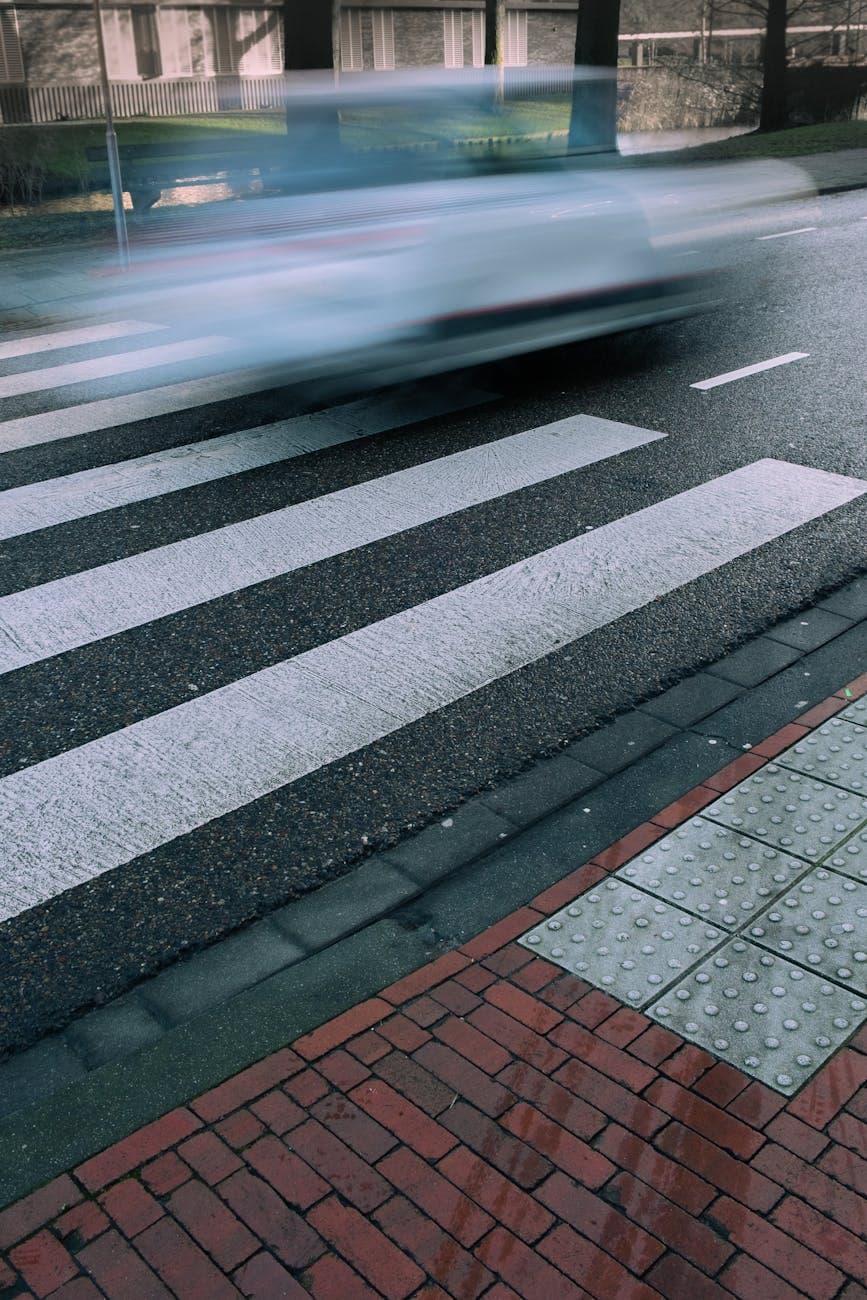
Train strikes school minibus at Buggenhout crossing, killing four
On 26 May 2026, a regional train hit a school minibus at the Vierhuizen level crossing in Buggenhout, East Flanders, during morning rush hour. The East Flanders public prosecutor’s office said four people were killed, including a 49-year-old bus driver, a 27-year-old escort and two children aged 12 and 15. It also said five children were seriously injured and hospitalised. Authorities said the bus was heading to a special education school and carried nine people. Infrabel said the crossing’s barrier and signalling system was operating correctly and that the train had to emergency-brake, yet still could not avoid impact. Federal Police spokesperson An Berger said the minibus appeared to have driven through the closed barrier. Infrabel’s spokesperson Frédéric Sacré said the train was travelling at about 120 km/h when approaching and had no time to brake. SNCB-NMBS said about 100 commuters on the train were not injured and that train services between Londerzeel and Dendermonde were suspended with replacement buses introduced.
Verified by Validiris·📚 9 sources·🧠 AI-checked·🇧🇪 Belgian: HighWhy you can trust this
About this story
Buggenhout is a municipality in East Flanders, roughly 30 km north of Brussels, where the Vierhuizen level crossing is located. The Vierhuizen level crossing is the specific road-rail interface involved in the collision. Infrabel is Belgium’s rail infrastructure manager, responsible for tracks, signals and level-crossing equipment. SNCB-NMBS is Belgium’s national train operator that runs passenger services and issues service disruption notices. The East Flanders Public Prosecutor’s Office is the regional prosecution authority coordinating early casualty briefings and supporting the investigation. The Federal Police coordinate forensic and scene investigation in major transport incidents. Lisa De Wilde is the spokesperson who publicly identified the victim profile and casualty numbers. An Berger is the federal police spokesperson who described how the bus was observed to enter the crossing. Frédéric Sacré is an Infrabel spokesperson who confirmed the train’s high approach speed and limited braking interval. Thomas Baeken is another Infrabel official who said the train driver applied emergency braking. Bart De Wever is the Minister-President of Flanders, whose public response anchors local governance impact. Jean-Luc Crucke is Belgium’s mobility minister, who linked decisions to the ongoing investigation. Ursula von der Leyen is the European Commission President; her remarks show Brussels-level institutional visibility for Belgium accidents.
How to read this story
The history
Belgium has treated level crossings as a persistent risk point in a dense rail network. Infrabel says there were 1,630 crossings in the country on 1 January 2023 and that 442 have been removed since its 2005 founding as part of safety and reliability priorities. Infrabel also states that unsafe road-user behaviour remains a dominant cause at crossings, which frames this accident as part of a longer pattern rather than a one-off technical failure. ERA’s 2025 safety overview explains that national authorities report common safety indicators to the EU framework, while Eurostat shows level-crossing crashes remain a stable share of EU railway incidents even as totals improve overall. This makes the Buggenhout crash both a tragic local event and a familiar test of Belgium’s long-running crossing-risk strategy.
Why now
The timing is anchored to the fatal morning collision itself, and public pressure is immediate because school transport and commuter services were directly interrupted. The incident occurred as Belgium and EU safety actors are already monitoring persistent risks at level crossings despite long-term safety improvements.
What to watch
Watch for the first official forensic update on cause, timing of corridor reopening, and whether federal mobility authorities announce targeted crossing audits for school routes in the affected municipality.
Regional impact
This is primarily an East Flanders event in Buggenhout, but its effects span governance layers. The Flemish local administration is handling emergency response, family support, and school coordination, while SNCB-NMBS and federal railway bodies are managing corridor closure, replacement travel, and safety checks across the network. At federal level, transport and safety actors will evaluate whether this crash changes operational or regulatory handling of school-related crossings. Wallonia is not directly affected by the location of the collision, yet the federal coordination and national rail operator response means the outcome will still be part of Belgium-wide railway-safety practice.
Local impact
In Buggenhout, the accident has immediate human impact through family and school bereavement support, emergency care for injured pupils, and short-term disruption to local movement patterns. The municipal special education community is directly involved, with a memorial response and counselling needs rising alongside transport rerouting and trauma support.
International angle
Because Brussels hosts major EU institutions and Belgian railway outcomes are fed into ERA and Eurostat systems, the crash is also part of Europe-wide transport-safety intelligence. EU figures on severe rail incidents and member-state comparisons mean the event can influence discussion beyond Belgium about school-route risk management at level crossings.
What this means for you
Parents and school operators should verify crossing supervision protocols for pupil transport. Commuters should monitor replacement-service notices for affected corridors. Municipalities may need contingency plans for future incidents that combine school transport, rail proximity, and early-morning peak disruption. If investigations point to enforcement failures, school and transport operators may need immediate procedural changes.
What happens next
Authorities are likely to complete a first technical reconstruction from crossing logs and camera footage, then determine whether the event is linked to rule-breaching road behaviour, infrastructure function, or a combination. Infrabel and SNCB-NMBS are expected to decide when the blocked section can reopen and whether any special temporary operational constraints remain. A prosecutorial clarification is likely to be the key threshold for public explanation, and school-transport authorities may receive updated route and crossing compliance directives soon after.
Potential consequences
Short-term disruption includes commuter rerouting and family-support demands. If investigators confirm that the barrier and signals were correctly set, policy pressure may shift toward stricter driver supervision, school-transport protocols and enforcement near crossings. If technical fault is established, Infrabel and SNCB-NMBS could face urgent crossing-targeted inspections, service adjustments, and temporary infrastructure interventions. The case could also renew public debate on school transport route risk management in dense rail corridors, not only in East Flanders but across Belgian regions with similar crossing densities.
Timeline
- 2026-05-26·Train collided with a school minibus at the Vierhuizen level crossing in Buggenhout during morning peak hours; authorities began emergency response and investigation.
- 2026-05-26·Officials confirmed four deaths, five serious injuries, red-light/closed-barrier status at the moment of collision, and halted Londerzeel–Dendermonde services with replacement buses.
- 2026-05-26·Infrabel and SNCB-NMBS issued operational and technical statements, while police and prosecutors stated the crash cause had not yet been established.
Glossary
- level crossing
- A road crossing where rail tracks and roads intersect, often controlled by lights and barriers.
- Infrabel
- Belgian rail infrastructure manager, responsible for tracks, signals, switches and level-crossing systems.
- SNCB-NMBS
- Belgium's national passenger railway company that runs train services and manages service-level operational changes.
- Common Safety Indicators (CSIs)
- EU-set railway safety metrics reported by national safety authorities, used in ERA and Eurostat monitoring.
- Londerzeel–Dendermonde corridor
- The rail section in Flanders identified as blocked after the incident, with replacement bus service arranged.
Related to this story


Pulse Insight — This topic connects to 10 associations, 4 funding programmes, 144 upcoming events and 2269 jobs through the Flanders ecosystem.
Live connections from the Belgium Impulse ecosystem — not recommendations.
This briefing was prepared with AI assistance and reviewed by a Belgium Impulse editor before publication. methodology.