Rodrigo Paz signs crackdown law as Bolivia blockades widen
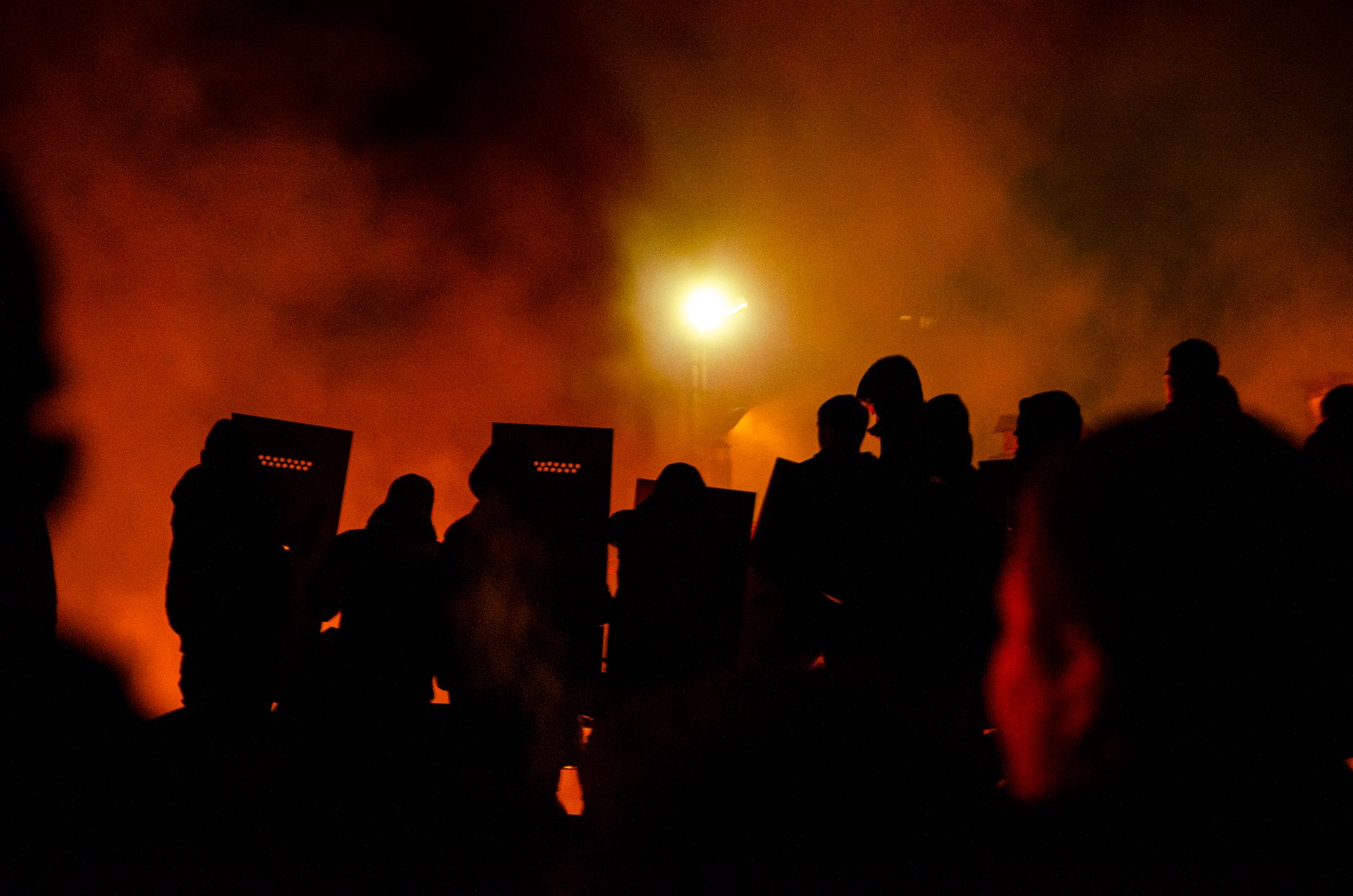
Bolivia's public ombudsman said five weeks of unrest from 1 May to 2 June left 10 people dead, 37 injured and 365 arrested as road blockades spread across the country. President Rodrigo Paz has signed legislation that would make it easier to declare a state of emergency, while police used tear gas against protesting farmers and other demonstrators in Cochabamba. The clashes are the sharpest test yet for Paz, whose 2025 election ended the long dominance of the Movement Toward Socialism. Protesters drawn from peasant, Indigenous, worker and mining sectors accuse his government of abandoning campaign promises and worsening a fuel-and-cost-of-living crisis. Evo Morales, speaking from his Chapare base while facing an arrest warrant in a separate criminal case he denies, said the protests would not end through military intervention and called for political succession and elections.
Evidenced on the trust ledger·📚 7 sources·🧠 AI-checked·🇧🇪 Belgian: LowWhy you can trust this
About this story
Rodrigo Paz (Bolivia's president since November 2025 and son of former president Jaime Paz Zamora) leads a centre-right government facing its first major social crisis. Evo Morales (Bolivia's president from 2006 to 2019 and the country's first Indigenous head of state) remains the symbolic figure of the pro-Morales rural left. Chapare (a coca-growing region in Cochabamba department) is Morales's political stronghold. Cochabamba (central Bolivian department and city) has become a flashpoint for clashes and road cuts. La Paz (Bolivia's seat of government) and El Alto (its high-altitude neighbouring city with a large Indigenous population) are among the worst-hit urban areas. The Movement Toward Socialism, or MAS (the left-wing party Morales founded), dominated Bolivian politics for nearly two decades. Bolivia's Defensoría del Pueblo (the public ombudsman institution) monitors rights impacts during the unrest.
How to read this story
The history
Bolivia's current confrontation echoes earlier moments when blockades, security forces and legitimacy crises collided. In October-November 2019, Morales resigned after disputed election results, mass protests and pressure from the armed forces; an Organization of American States audit said there were serious irregularities in that vote. In November 2019, the Inter-American Commission on Human Rights later documented lethal repression in Sacaba and Senkata under the interim government. In June 2024, troops briefly occupied Plaza Murillo in an attempted coup against Luis Arce, reinforcing Bolivia's sensitivity to any military role in civilian crises.
The geopolitics
Bolivia sits inside a wider contest over Latin America's political direction, resource nationalism and critical minerals. Morales frames the conflict as anti-neoliberal and anti-imperial, while Paz has moved Bolivia closer to Western partners. That makes the road-blockade crisis more than a policing problem: it affects how outside powers read Bolivia's reliability as a democratic and resource partner.
Why now
The immediate trigger is Paz's signing of legislation that could enable emergency powers after more than five weeks of blockades, shortages and clashes. The timing also reflects accumulated anger over fuel policy, inflation and the political exclusion felt by sectors that had supported Paz in 2025.
What to watch
Watch whether Paz issues the separate emergency decree, whether the Assembly approves any emergency regime within the required window, and whether security forces move from police-led operations to military-backed clearance of roads. Morales's possible arrest in Chapare is another high-risk signal.
International angle
The crisis matters beyond Bolivia because it tests democratic resilience in a region where presidents, courts, militaries and street movements have repeatedly collided. For the EU, the link is indirect but real: Brussels-based institutions assess Bolivia through human-rights policy, development cooperation and supply-chain interest in lithium and energy minerals.
What this means for you
Nothing changes immediately for most Belgian residents, but EU officials, NGOs, businesses and researchers dealing with Bolivia should treat travel, fieldwork and supply-chain assumptions as unstable. Readers with family, projects or commercial links in Bolivia should monitor official travel advice, road access, airport operations and any emergency decree.
What happens next
Paz can still choose whether to issue the separate decree needed to activate emergency powers. Protest leaders may either hold the blockades, accept mediated talks or escalate if arrests continue. Morales's legal situation could become another trigger if authorities try to detain him in Chapare. Human-rights monitors are likely to focus on arrests, military deployments and access to food, fuel and medical care.
Potential consequences
If Paz uses emergency powers heavily, Bolivia could see wider confrontation, new human-rights scrutiny and deeper polarisation between urban residents desperate for supplies and rural groups demanding political change. If he avoids force but cannot reopen roads, shortages may erode his authority and strengthen Morales-aligned actors. Either path could complicate foreign investment, regional diplomacy and EU engagement with Bolivia's minerals and democracy agenda.
Opposing perspectives
- Rodrigo Paz government
The Paz government argues that elected authority cannot be displaced by road blockades and that emergency powers may be needed to protect the wider population. President Rodrigo Paz said the legislation targets groups he described as instigating narco-terrorism, while also saying he is willing to talk with social organisations that have legitimate demands.
- Pro-Morales rural and Indigenous movements
The pro-Morales camp frames the mobilisation as a social uprising against broken promises, subsidy removal and a government seen as aligned with business elites. Evo Morales said he did not call the mobilisation, but argued that pacification would require political succession and fresh elections rather than military intervention.
- Human-rights and civic monitors
Rights-focused observers stress that the blockades are harming civilians while a militarised response could deepen the crisis. Bolivia's public ombudsman said deaths, injuries and arrests had already occurred, making humanitarian access, restraint by security forces and credible investigation more important than a purely coercive solution.
Timeline
- 2019-11-10·Evo Morales resigned after disputed election results, mass protests and pressure from Bolivia's armed forces.
- 2024-06-26·Bolivian soldiers briefly occupied Plaza Murillo in a failed coup attempt against President Luis Arce.
- 2025-11-08·Rodrigo Paz took office after an election that ended nearly two decades of MAS dominance.
- 2026-05-01·Bolivia's public ombudsman used 1 May as the start date for its unrest toll covering deaths, injuries and arrests.
- 2026-06-02·The ombudsman reporting period ended with 10 deaths, 37 injuries and 365 arrests attributed to the unrest.
- 2026-06-09·Paz signed legislation easing a possible state-of-emergency declaration as clashes continued.
- 2026-06-11·The latest clashes and Morales's defiant stance became the lead international story.
Glossary
- State of emergency
- A temporary legal regime that can let a government restrict some rights and deploy security forces under conditions set by national law.
- MAS
- Movement Toward Socialism, the left-wing Bolivian party founded by Evo Morales and dominant in national politics from 2006 to 2025.
- EU external action
- The EU's diplomacy, development, sanctions, election-observation and human-rights work, coordinated mainly through institutions based in Brussels.
Related to this story
Live connections from the Belgium Impulse ecosystem — not recommendations.
This briefing was prepared with AI assistance and reviewed by a Belgium Impulse editor before publication. methodology.