Pope Leo XIV challenges Europe on migration during Spain visit
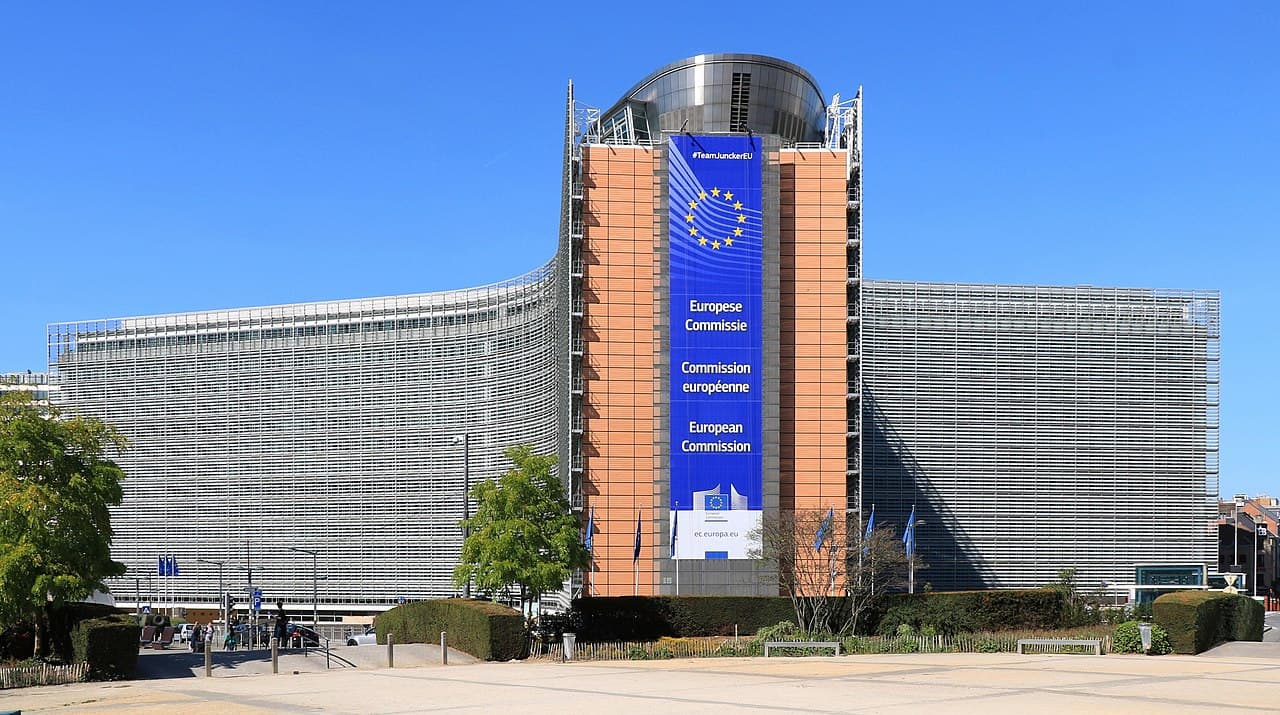
The Holy See's official itinerary placed migration at the centre of Pope Leo XIV's final stops in Spain, with meetings at Arguineguín in Gran Canaria on 11 June and at the Las Raíces Center in Tenerife on 12 June. Pope Leo XIV used those encounters to frame deaths on the Atlantic and Mediterranean routes as a moral failure for Europe, while also warning traffickers who profit from dangerous crossings. The timing matters beyond Spain: the European Commission says the EU Pact on Migration and Asylum enters application in June 2026, with common screening, faster border procedures, returns and a permanent solidarity framework. Leo's message therefore lands as Brussels and national governments move from legislation to implementation. For Belgium Pulse readers, the issue is not a Spanish-only story but part of the EU migration system that Belgium must apply and help finance.
Verified by Validiris·📚 8 sources·🧠 AI-checked·🇧🇪 Belgian: MediumWhy you can trust this
About this story
Pope Leo XIV (head of the Catholic Church and sovereign of Vatican City, elected in 2025) is using his Spain trip to continue Pope Francis's migration-focused pastoral line. Arguineguín (port town in Gran Canaria, one of Spain's Canary Islands) became a symbol of overcrowded migrant reception conditions during the 2020 arrivals crisis. The Las Raíces Center (migrant reception site in San Cristóbal de La Laguna, Tenerife) hosts people who reached the islands by sea. The Canary Islands (Spanish Atlantic archipelago off north-west Africa) are an EU external-border arrival point for West African routes. The European Commission (EU executive in Brussels) oversees implementation of the EU Pact on Migration and Asylum. Frontex (EU border and coast guard agency, founded in 2004) supports external-border management. Lampedusa (Italian island south of Sicily) was the site of Pope Francis's 2013 migration appeal.
How to read this story
The history
Pope Leo XIV's gesture deliberately echoes Pope Francis's 2013 visit to Lampedusa, where Francis turned a small island into a global symbol of migration deaths and European indifference. Arguineguín carries its own recent history: Spanish reporting describes the port as a 2020 crisis site where more than 2,000 people were kept outdoors during the pandemic. The EU's policy track moved in parallel: the Commission proposed a new migration pact in 2020, the Parliament and Council adopted it in 2024, and the Commission says its rules apply from June 2026.
The geopolitics
Migration through the Atlantic and Mediterranean routes reflects instability, poverty, climate stress, labour demand and unequal relations between Europe and origin or transit countries. EU policy increasingly links border control, development aid, readmission and anti-smuggling cooperation with countries outside the bloc. Leo's message challenges that transactional model by insisting that human dignity remain central to the geopolitical bargain.
Why now
The trigger is Pope Leo XIV's 11-12 June stop in the Canary Islands at the end of his Spain visit, coinciding with the June 2026 application of the EU Pact on Migration and Asylum.
What to watch
Watch whether Leo follows the Canary Islands message with further migration diplomacy, whether the European Commission reports gaps in member-state pact implementation, and whether frontline states press for more relocations or financial support as the first annual migration-management cycle unfolds.
Regional impact
The effects differ across the EU and Belgian federal level. The European Commission says frontline states such as Spain are meant to receive solidarity through relocations, financial contributions or operational support, while other member states, including Belgium, must participate in that common framework. At Belgian level, asylum, reception and return policy remain federal responsibilities, but municipalities and regions feel downstream pressures through housing, language training, social services, employment pathways and school places when protection is granted.
International angle
The story sits at the junction of Spain's Atlantic border, Vatican diplomacy and EU migration law. The Canary Islands are Spanish territory but function as an EU external-border pressure point. Brussels matters because the European Commission oversees the pact that now frames screening, solidarity, returns and external partnerships across member states, including Belgium.
What this means for you
Nothing changes immediately for Belgian residents because of the papal visit itself. The practical issue is policy implementation: Belgian authorities, NGOs and municipalities should expect continued debate over reception capacity, relocations, returns, legal assistance and integration funding as the EU pact moves from law into administration.
What happens next
The Holy See's itinerary scheduled Leo's return to Rome on 12 June after his Tenerife events. Politically, attention shifts to how EU member states implement the pact in practice. The European Commission says the rules enter application in June 2026, but reporting indicates implementation work will continue after that date, so monitoring, infrastructure and rights safeguards remain the next tests.
Potential consequences
Leo's intervention could strengthen humanitarian arguments just as governments prioritise returns, screening and external-border control. It is unlikely to change EU law on its own, but it may influence Catholic voters, social organisations and political debate in countries where migration is already polarised. If the pact's rollout is uneven, frontline pressure and rights litigation could keep the issue high on the EU agenda.
Opposing perspectives
- European Commission / EU migration-policy officials
The European Commission says the pact is designed to combine secure external borders, faster procedures, guaranteed rights and a permanent solidarity framework, so Leo's moral appeal does not remove the need for enforceable common rules across 27 member states.
- Catholic Church / Vatican pastoral framing
Pope Leo XIV frames migration first as a question of human dignity, arguing that origin, transit and destination countries must prevent deaths, resist indifference and protect people from traffickers rather than treating border control as the only policy lens.
- Human-rights organisations
Human Rights Watch and other advocates argue that accelerated border procedures and detention-oriented reforms risk weakening access to fair asylum hearings, especially when people fleeing danger are processed quickly at external borders under political pressure.
- Frontline receiving regions such as the Canary Islands
Canary Islands authorities and local communities can argue that humanitarian language must be matched by EU-wide responsibility sharing, because first-arrival regions carry immediate reception, rescue, accommodation and integration burdens before Brussels mechanisms become visible on the ground.
Timeline
- 2013-07-08·Pope Francis visited Lampedusa and made migration deaths a central theme of his pontificate.
- 2020·Arguineguín became a symbol of overcrowded reception conditions during a spike in Canary Islands arrivals.
- 2024-05-14·The Council of the EU adopted the Pact on Migration and Asylum.
- 2026-05-06·The Holy See published Pope Leo XIV's official Spain itinerary.
- 2026-06-11·Pope Leo XIV met migrant-support organisations at the port of Arguineguín.
- 2026-06-12·Pope Leo XIV met migrants and integration organisations in Tenerife before returning to Rome.
Glossary
- EU Pact on Migration and Asylum
- A package of EU laws adopted in 2024 to harmonise asylum, border screening, responsibility rules, returns and solidarity between member states.
- Eurodac
- The EU biometric database used to help identify asylum seekers and people crossing external borders irregularly.
- Frontex
- The European Border and Coast Guard Agency, which supports EU member states with external-border management and return operations.
- Solidarity mechanism
- The pact's system under which EU countries can help states under pressure through relocations, financial contributions or operational support.
Related to this story


Live connections from the Belgium Impulse ecosystem — not recommendations.
This briefing was prepared with AI assistance and reviewed by a Belgium Impulse editor before publication. methodology.