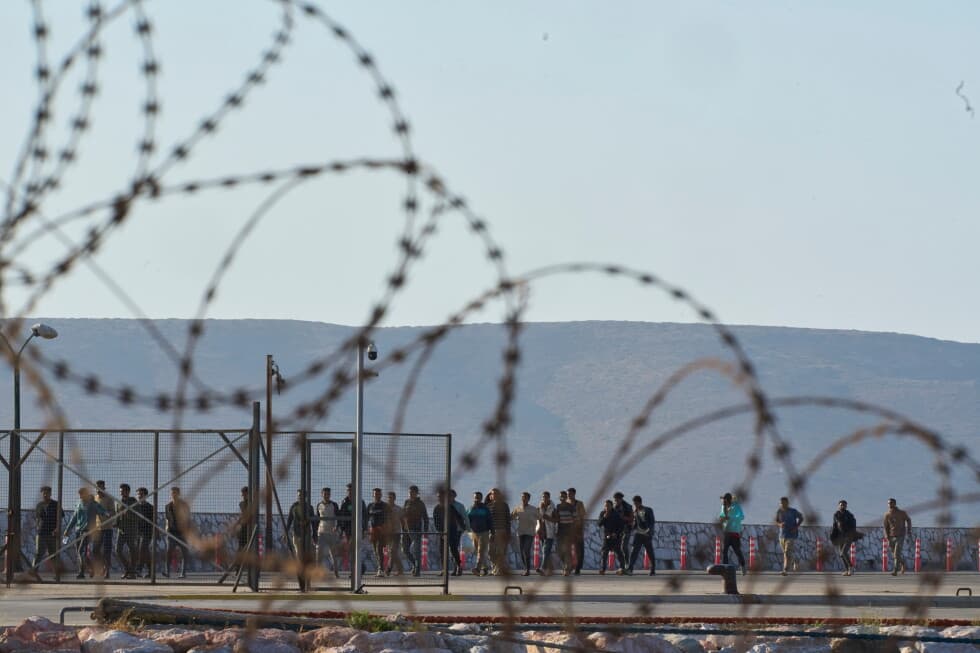
Pope Leo presses Europe on migrants at end of Spain visit
Pope Leo XIV ended his weeklong visit to Spain on 12 June with a pointed intervention on migration in Tenerife, after the Holy See's itinerary placed the Canary Islands at the climax of the trip. At Las Raíces and in meetings with organisations working with migrants, the pope defended the dignity of people arriving by sea, condemned traffickers and urged receiving societies to integrate newcomers rather than abandon them after arrival. The timing gave the message wider political weight: the European Commission says the EU's new Pact on Migration and Asylum entered application in June 2026, tightening screening, border procedures and solidarity rules across the bloc. For Belgium, the story is indirect but real: Belgian federal asylum authorities, Fedasil reception services and Belgian MEPs now operate inside the same EU framework that frontline states such as Spain are testing under public and moral scrutiny.
Verified by Validiris·📚 9 sources·🧠 AI-checked·🇧🇪 Belgian: MediumWhy you can trust this
About this story
Pope Leo XIV (head of the Roman Catholic Church since 2025) used his first papal visit to Spain to foreground migration. Spain (EU member state and Mediterranean migration gateway) hosted the 6-12 June 2026 trip. The Canary Islands (Spanish Atlantic archipelago off north-west Africa) are a major arrival point on the West African sea route. Tenerife (largest Canary Island) hosted the final-day meeting. Las Raíces Center (reception facility in San Cristóbal de La Laguna) accommodates migrants after Atlantic crossings. Arguineguín (Gran Canaria port) became a symbol of overcrowded arrivals during earlier migration pressure. The European Commission (EU executive in Brussels) oversees implementation of the Pact on Migration and Asylum. Frontex (EU border and coast guard agency, founded in 2004) coordinates external-border operations. Fedasil (Belgium's federal reception agency) manages accommodation and support for asylum seekers in Belgium.
How to read this story
The history
The Holy See's itinerary made the Canary Islands the final stop of the 6-12 June 2026 journey, echoing Pope Francis's 2013 Lampedusa visit, when the papacy made migrant deaths at sea a defining moral issue. The EU's current system grew out of the 2015 migration crisis and years of dispute over the Dublin rules, which often left first-entry states responsible for asylum claims. The Council of the EU says the 2024 pact adopted 10 legislative acts to reform asylum and migration management, with application beginning in June 2026.
The geopolitics
Migration policy has become part of Europe's wider bargain with neighbouring and transit states. The European Commission presents international partnerships as one pillar of the Pact, including cooperation on preventing departures, smuggling and readmission. That places countries such as Mauritania, Morocco, Tunisia and others in a stronger negotiating position with the EU, while humanitarian actors warn that externalising control can shift risks away from European visibility.
Why now
The story is timely because Pope Leo XIV ended his Spain visit in the Canary Islands on 12 June, the same date the European Commission listed new migration and asylum rules entering application. The overlap turned a pastoral visit into a direct moral counterpoint to a major EU policy rollout.
What to watch
Watch the Commission's next implementation assessments, Belgium's operational changes for asylum reception and procedures, Spanish requests for solidarity if Canary Islands arrivals rise, and legal challenges over border procedures or returns. The next signal will be whether EU states can apply the Pact consistently without new reception bottlenecks.
Regional impact
The EU level sets the framework: the European Commission says the Pact now governs external-border screening, asylum procedures, solidarity and returns. The Belgian federal level must translate that framework into practice through asylum processing, reception, returns and legal safeguards, with Fedasil and federal migration authorities most exposed operationally. Spain and the Canary Islands carry the frontline-arrival burden that drives the solidarity debate, while Belgium is more likely to face secondary movements, relocation decisions, financial contributions and domestic political scrutiny.
International angle
The international dimension is central. Spain's Canary Islands are an EU external-border pressure point for people crossing from West Africa, while Belgium sits inside the same Schengen and asylum system that depends on common procedures. The pope's remarks therefore connect a local Atlantic route to EU-wide questions of solidarity, returns, reception capacity and rights protection.
What this means for you
For Belgian readers, nothing changes at the municipal counter because of the papal visit itself. The practical issue is the EU Pact: asylum applicants, lawyers, Fedasil partners and federal authorities should expect more attention to screening, biometric registration, responsibility rules and return procedures. NGOs and churches may also see renewed mobilisation around reception conditions and legal safeguards.
What happens next
EU implementation now moves from legal entry into application to operational testing. The European Commission is expected to monitor whether member states have the staff, infrastructure, Eurodac readiness and legal safeguards required. Belgium will need to show how federal asylum and reception systems comply, while Spain and other frontline states will press for practical solidarity if arrivals rise again.
Potential consequences
The pope's intervention is unlikely to change EU law on its own, but it could sharpen political scrutiny of how the Pact is implemented. If border procedures are seen as fair and humane, governments may claim the system is more credible. If legal aid, reception capacity or returns fail, the same rules could intensify litigation, NGO criticism and political polarisation in Belgium and other member states.
Opposing perspectives
- Pope Leo XIV / Catholic humanitarian frame
Pope Leo XIV's message frames migration first as a question of human dignity and conscience. In that view, the Atlantic route is not only a border-management problem but a moral failure when people survive the sea and are then abandoned, exploited or treated as a threat rather than as neighbours.
- European Commission / EU migration-management frame
The European Commission presents the Pact as a way to replace fragmented national systems with secure external borders, faster procedures, solidarity and international partnerships. Its strongest argument is that predictable common rules can reduce disorder, help frontline states and preserve asylum by making returns and responsibility-sharing more credible.
- Migrant-rights NGOs and humanitarian lawyers
Migrant-rights organisations argue that accelerated border procedures, detention-like conditions and external return arrangements can weaken access to asylum and legal remedy. Their strongest case is that efficiency at the border becomes illegitimate if vulnerable applicants cannot meaningfully explain claims, obtain counsel or challenge removal.
Timeline
- 2013-07-08·Pope Francis visited Lampedusa, making migrant deaths at sea a central papal theme.
- 2024-05-14·The Council of the EU adopted the Pact on Migration and Asylum.
- 2026-05-06·The Holy See published Pope Leo XIV's official Spain itinerary.
- 2026-06-11·Pope Leo XIV visited organisations working with migrants in Gran Canaria.
- 2026-06-12·Pope Leo XIV met migrants and integration organisations in Tenerife as the EU Pact entered application.
Glossary
- Pact on Migration and Asylum
- A package of EU laws adopted in 2024 to harmonise asylum screening, procedures, responsibility-sharing, solidarity and returns across member states.
- Eurodac
- The EU biometric database used to record asylum seekers and certain irregular migrants, expanded under the new Pact.
- Frontex
- The European Border and Coast Guard Agency, which supports member states at the EU's external borders.
- Fedasil
- Belgium's federal agency responsible for reception and material support for asylum seekers.
Related to this story



Live connections from the Belgium Impulse ecosystem — not recommendations.
This briefing was prepared with AI assistance and reviewed by a Belgium Impulse editor before publication. methodology.