
EXTREMISM · Reporting
OCAD monitors neo-Nazi 'Active Clubs' in Belgium
Belgium's threat-assessment body says the impact of the fight groups remains limited for now but deserves vigilance. A Flemish branch has existed since April.
Published: · Content updated:
Based on: VRT NWS
Saved articles and followed stories stay in this browser. No account sync or notifications.
Reporting
OCAD follows the phenomenon
The Belgian threat-assessment body OCAD says it is following the activities of the so-called Active Clubs in Belgium. The agency made the comment on Wednesday in a reaction to VRT NWS Pano, which, together with the Dutch investigative programme Zembla, looked into the fight clubs with a neo-Nazi ideology. According to VRT NWS, OCAD treats the phenomenon as part of the wider right-wing extremist landscape. It judges that the impact in Belgium remains limited for the time being, but argues that the model deserves vigilance because it could also attract followers here.
Reporting
What the Active Clubs are
According to VRT NWS, Active Clubs are far-right fight groups built on a neo-Nazi ideology. The concept goes back to the American Robert Rundo. The groups bring together young men who train together and attend demonstrations, where they are often involved in violence. VRT NWS also reported that clubs now exist in 26 countries and that the network has gathered 600 to 700 people in Europe in only 2 to 3 years. The reporting available does not say how many of those members are in Belgium.
Reporting
A branch in Flanders
In Flanders, Active Club Vlaanderen has existed since April. VRT NWS reported that on social media it presents itself mainly as a sports club. Undercover recordings made for the investigation, however, show that non-white people are not allowed to join. The founder and members deny that they are dangerous and say they focus only on a healthy youth. Their denial is reported here alongside the findings of the programme. The sources do not give further detail on the size of the group or on what it has done in Belgium.
Reporting
Long on the radar
Right-wing extremism has been on the radar of services such as OCAD and the State Security for years. In its most recent annual report, the State Security says the greatest danger lies in the so-called online accelerationist subculture: online groups that see salvation in a racial civil war and want to carry out attacks on minorities for that purpose. The service considers such an attack possible in the near to medium term. VRT NWS did not link that assessment directly to the Active Clubs, so the two should not be conflated.
Reporting
Normalisation as the main risk
Jelle Postma, founder and director of Justice for Prosperity, a foundation that studies how forces worldwide try to undermine democracies, also follows the Active Clubs. In VRT NWS Terzake he said membership is rising somewhat, but that above all the degree of structure and organisation is growing, although it is still at an early stage. He puts the number of people in Europe at several hundred up to 1000. What worries him more is the online reach, the spread of the ideas and their normalisation. In his view normalisation is the biggest risk: some people think it is merely a sports club with a few fanatical members, while Nazism is being preached and reaches a huge audience through social media.
Related reading
Prosecutor opens investigation into bankruptcy trustee over painting deal
The Oost-Vlaanderen prosecutor's office is investigating a trustee accused of swapping painting work at his daughter's home for seized material, while the enterprise court has removed him from dozens of bankruptcies.
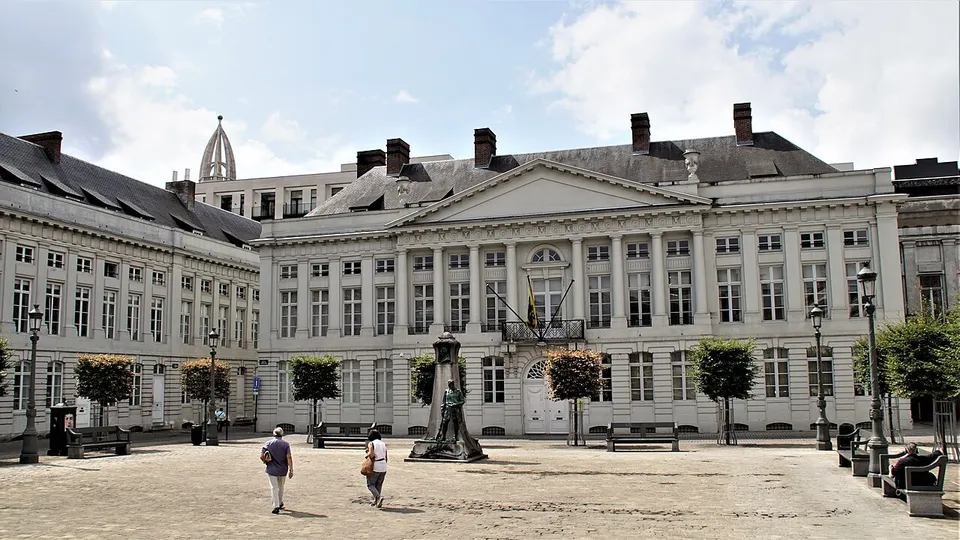
Ghent shows Gentspoort designs with new tram line and 2 ring tunnels
A mobility project costing 780 million euros would reshape squares, the ring and tram links in Ghent, with works expected to start in 2 to 3 years.
Can Bouchez’s focus on fire-starters answer Belgium’s climate challenge?
MR president Georges-Louis Bouchez blamed deliberate or negligent human behaviour for the High Fens fire and demanded exemplary punishment, opening a coalition dispute over whether Belgium is treating an unprecedented natural disaster chiefly as a criminal act or as a climate-amplified security risk.
7 Home Upgrades Belgians Should Tell Their Fire Insurer About
Belgium’s FSMA-backed Wikifin service has updated its consumer guidance, warning homeowners that renovations and valuable purchases can leave a fire-insurance policy out of date. A new kitchen or bathroom does not automatically cause a problem, but work that changes a home’s reconstruction value, layout or insured contents should be reported.
High Fens wildfire contained after burning nearly 3,000 hectares
Belgian authorities have contained the High Fens wildfire after it affected nearly 3,000 hectares, while the scale of the emergency has renewed scrutiny of the country’s preparedness for large nature fires.
Sources and factual attribution (1)
- OCAD volgt 'Active Clubs' op: "Fenomeen verdient waakzaamheid" | VRT NWS Nieuws — VRT NWS
Dated report by VRT NWS used for the facts attributed to it.
Source publication date: . Consulted: .
Supports
OCAD told VRT NWS Pano that it follows the Active Clubs as part of the wider right-wing extremist landscape, that their impact in Belgium remains limited for now, and that the phenomenon deserves vigilance.
VRT NWS: OCAD volgt 'Active Clubs' op: "Fenomeen verdient waakzaamheid" | VRT NWS NieuwsVRT NWS described the Active Clubs as far-right fight groups with a neo-Nazi ideology, an idea from the American Robert Rundo, made up of young men who train together and attend demonstrations, where they are often involved in violence.
VRT NWS: OCAD volgt 'Active Clubs' op: "Fenomeen verdient waakzaamheid" | VRT NWS NieuwsAccording to VRT NWS, Active Clubs exist in 26 countries and the network has gathered 600 to 700 people in Europe in only 2 to 3 years.
VRT NWS: OCAD volgt 'Active Clubs' op: "Fenomeen verdient waakzaamheid" | VRT NWS NieuwsActive Club Vlaanderen has existed since April and presents itself on social media mainly as a sports club; undercover recordings show that non-white people may not join, while the founder and members deny being dangerous and say they focus on a healthy youth.
VRT NWS: OCAD volgt 'Active Clubs' op: "Fenomeen verdient waakzaamheid" | VRT NWS NieuwsIn its most recent annual report, the State Security says the greatest danger lies in the online accelerationist subculture and considers an attack on minorities possible in the near to medium term.
VRT NWS: OCAD volgt 'Active Clubs' op: "Fenomeen verdient waakzaamheid" | VRT NWS NieuwsJelle Postma of Justice for Prosperity told VRT NWS Terzake that the Active Clubs are growing in structure and organisation, that they number several hundred to 1000 people in Europe, and that their online reach and the normalisation of their ideas are the biggest concern.
VRT NWS: OCAD volgt 'Active Clubs' op: "Fenomeen verdient waakzaamheid" | VRT NWS Nieuws
How this article was prepared
Revisions and corrections
No corrections recorded.
- First version · 1 —
First publication.