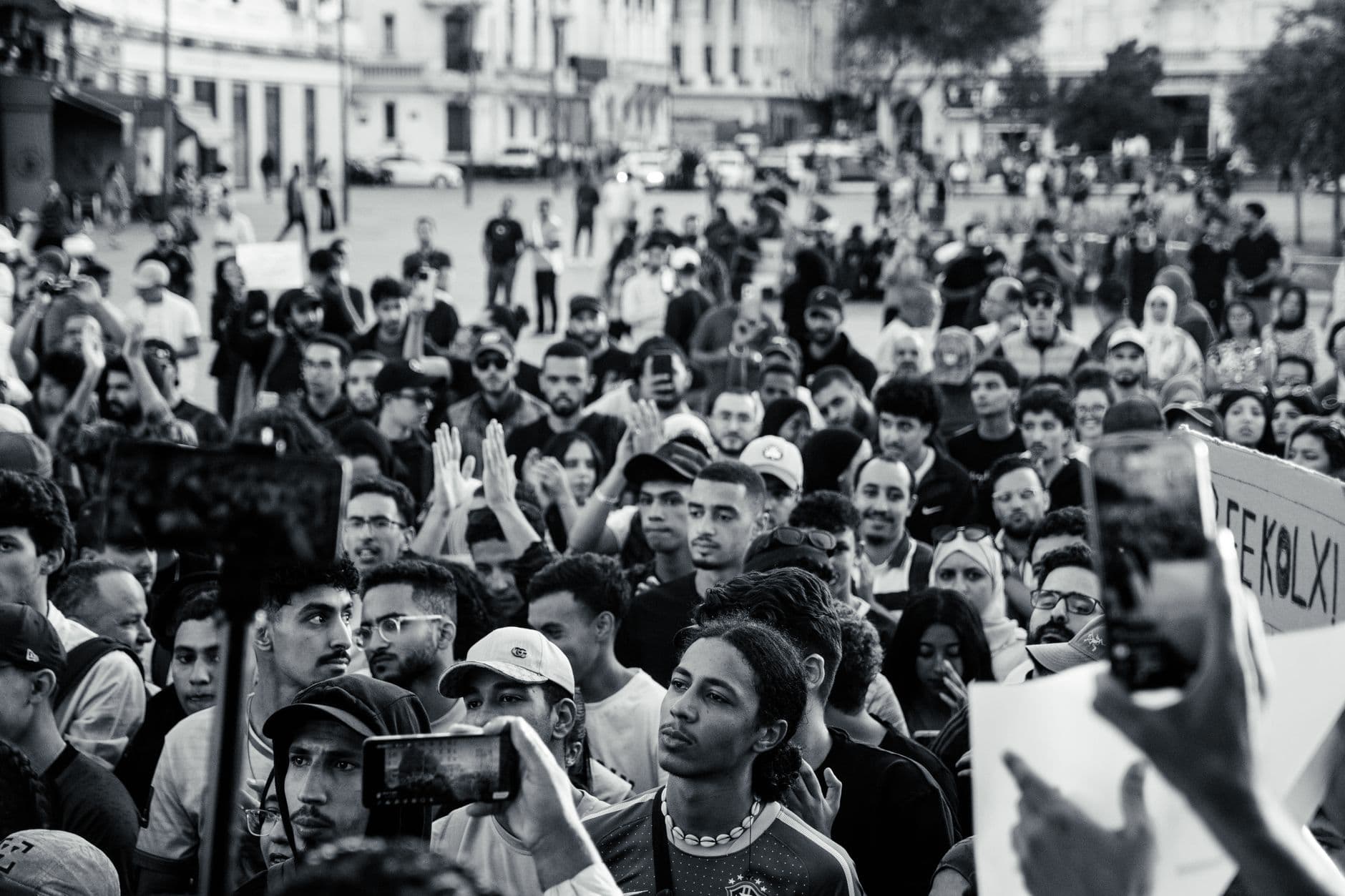
Morocco prosecutor says Gen Z protest sentences run up to 15 years
Morocco’s public prosecutor now says convictions linked to the Gen Z 212 protest wave include prison terms ranging from one year to 15 years, according to the Associated Press. That sentence range is the new development: AP had already reported more than 400 convictions and 34 acquittals, but the punishment scale gives a clearer measure of the judicial response’s severity. AP attributes the range to the prosecutor, so Belgium Impulse should treat it as an official account rather than an independent assessment of proportionality. The cases follow youth-led demonstrations over public services that AP says turned violent in some places, with deaths, injuries and property damage reported. For Belgian readers, the development extends an earlier Brussels youth-protest story into a wider comparison: local disorder in the capital remains a public-order issue, while Morocco’s protest wave has moved into mass criminal sentencing.
Verified by Validiris·📚 5 sources·🧠 AI-checked·🇧🇪 Belgian: LowWhy you can trust this
About this story
Gen Z 212 is a Moroccan youth-led protest movement that mobilised in 2025 around public services, including health care and education; the name refers partly to Morocco’s international dialling code. Morocco’s public prosecutor is the judicial authority AP cites for the official conviction, acquittal and sentence figures. Associated Press is a US-based international news agency founded in 1846 and is the lead source for the new sentencing detail. De Standaard is a Flemish daily newspaper that reported the Brussels youth-protest disorder used in Belgium Impulse’s earlier coverage. The Belgian Constitution’s Article 26 is the domestic legal reference point for peaceful assembly, while the European External Action Service is the EU diplomatic service relevant to Morocco as a southern-neighbourhood partner.
How to read this story
The history
Belgium’s Article 26 protects peaceful, unarmed assembly while leaving open-air gatherings subject to police laws. Morocco’s current cases follow a protest wave that AP says involved more than 2,400 people charged, with 1,473 still in custody awaiting trial at the time of its report. AP says organisers urged peaceful demonstrations but that protests turned violent in some cities and towns, leaving three people dead and many injured. The Guardian separately reported rights-group allegations of abuse and arbitrary detention, which Moroccan authorities have contested through their official account.
Regional impact
The story has different anchors at Brussels and EU/international level. In Brussels, the relevance remains the earlier De Standaard report on disorder around a youth protest and the practical balance between demonstration rights and public order. At EU level, Morocco’s sentencing figures are relevant to readers following external relations, rights diplomacy and neighbourhood policy. Federally, Belgium’s constitutional assembly framework is background rather than the source of the new development.
Local impact
The local Belgian relevance remains Brussels, where De Standaard reported renewed small fires and firecrackers around a youth protest. Morocco’s sentencing detail does not change Brussels policing, but it gives readers in the capital a concrete international comparison for how youth unrest can move from street disorder into large-scale criminal punishment.
International angle
Morocco’s judicial response matters beyond North Africa because the country is an EU neighbourhood partner. For Brussels-based EU staff, diplomats and policy readers, the sentence range is relevant to how European institutions weigh protest rights, public-order claims and rule-of-law concerns in relations with partner governments.
Opposing perspectives
- Moroccan judicial authorities
AP reports that the prosecutor has defended the authorities’ interventions as lawful, framing the cases as a judicial response to alleged criminal acts during unrest rather than punishment for peaceful protest.
- Rights groups cited by AP and The Guardian
Rights groups cited in the reporting argue that the scale of arrests, detention and prosecutions raises concerns about police conduct, due process and whether youth-led protest over public services is being met with excessive criminal pressure.
How this story developed
2 reports on this subject — earliest first. You are reading the highlighted entry.
- Brussels youth protest again brings small fires and firecrackers into a wider Gen Z unrest story
- Morocco prosecutor says Gen Z protest sentences run up to 15 years· You are here
Related to this story

Live connections from the Belgium Impulse ecosystem — not recommendations.
This briefing was prepared with AI assistance and reviewed by a Belgium Impulse editor before publication. methodology.