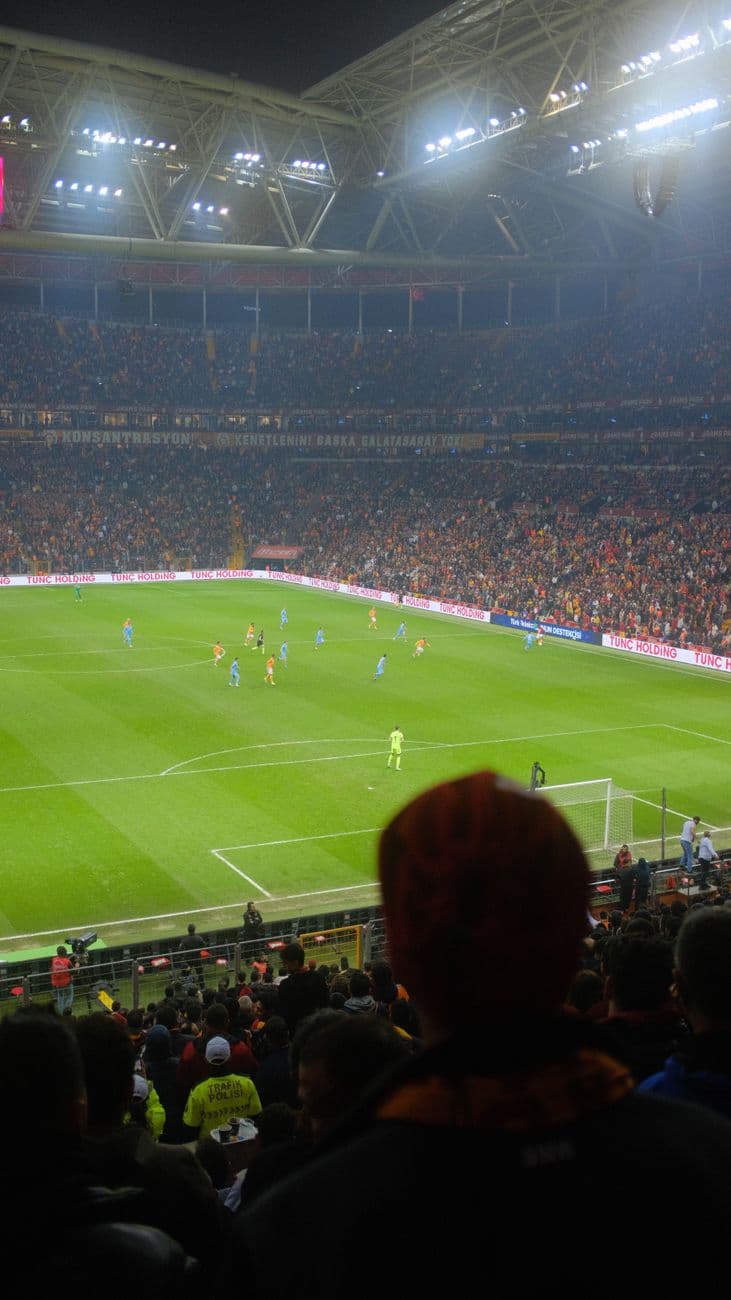
Mexico hosts South Africa as 2026 World Cup begins
Mexico opened the 2026 FIFA World Cup against South Africa in Mexico City, turning the refurbished Estadio Azteca into the starting point for the largest men's World Cup yet. FIFA's tournament schedule lists the competition from 11 June to 19 July, with 48 teams, 16 host cities and 104 matches across Mexico, Canada and the United States. The opener also carries football memory: South Africa and Mexico drew 1-1 in the first match of the 2010 World Cup in Johannesburg, while Mexico City's stadium previously staged matches at the 1970 and 1986 tournaments. For Belgian readers, the main link is sporting rather than institutional: Belgium begin Group G against Egypt on 15 June, then face Iran and New Zealand. The expanded format means third-place calculations may matter more than in the older 32-team era.
Verified by Validiris·📚 6 sources·🧠 AI-checked·🇧🇪 Belgian: MediumWhy you can trust this
The Iran Conflict: Nuclear, Regional and Diplomatic
The decades-long confrontation between Iran and its adversaries — the United States, Israel, Saudi Arabia, and proxies across the region — covering the nuclear file, sanctions, the JCPOA collapse, the post-October 2023 escalation, and current diplomatic openings.
About this story
Estadio Azteca (Mexico City's landmark football stadium, opened in 1966 and used at the 1970 and 1986 World Cups) is the symbolic stage for the opener. FIFA (world football's governing body, founded in 1904 and based in Zurich) organises the tournament and sets the match calendar. Mexico (one of the 2026 co-hosts, alongside Canada and the United States) qualified automatically as host. South Africa (the African national team nicknamed Bafana Bafana, 2010 World Cup host) return to a tournament opener against the same opponent they faced in Johannesburg in 2010. Belgium's Red Devils (Belgium's men's national football team) are in Group G with Egypt, Iran and New Zealand. Egypt, Iran and New Zealand are Belgium's first-round opponents under the 2026 draw listed by FIFA's tournament materials.
How to read this story
The history
Mexico City gives the opener a deliberate historical echo. FIFA's tournament history records Mexico as host in 1970 and 1986, making the country the first to host or co-host three men's World Cups. The same stadium staged Diego Maradona's 1986 quarter-final against England and the 1970 final won by Brazil. FIFA's 2017 expansion decision took the 2026 field from 32 to 48 teams; FIFA's later format decision set 12 groups of four, 104 matches and a new round of 32.
Why now
The story is timely because the tournament began on 11 June with Mexico v South Africa in Mexico City, turning months of scheduling, qualification and stadium preparation into live competition.
What to watch
Watch Belgium's Group G opener against Egypt on 15 June, then the Iran match on 21 June and New Zealand on 26 June. Also watch how quickly third-place scenarios start affecting group-stage incentives across the expanded tournament.
Local impact
The most local Belgian effect is in cafés, sports bars and fan-viewing spaces in Brussels, Antwerp, Liège, Ghent and other cities where Red Devils matches typically shape evening footfall. The opener itself is global background; the sharper local impact begins when Belgium play Egypt on 15 June.
International angle
This is the first World Cup jointly hosted by Mexico, Canada and the United States, so the sporting event is also a large cross-border logistics exercise. Belgium enters as one of Europe's qualified teams, but the tournament's centre of gravity is North American hosting and global football expansion.
What this means for you
Belgian readers planning viewing nights should note that Belgium's tournament starts four days after the opener. The expanded format means fans may need to follow other groups as well as Belgium's results, because best-third-place rankings can affect qualification and knockout opponents.
What happens next
Group A continues after the Mexico-South Africa opener, while Belgium's attention turns to Group G. FIFA's schedule puts Belgium v Egypt on 15 June, Belgium v Iran on 21 June and New Zealand v Belgium on 26 June. The first Belgian checkpoint is selection, fitness and tactical readiness for Egypt; after that, third-place mathematics could become relevant depending on results.
Potential consequences
The bigger format could give Belgium more margin than the old 32-team model, because a third-place finish may still be enough. It could also make squad depth more important if teams face an extra knockout round on the route to the final. For organisers and broadcasters, the tournament's scale may increase audience reach while putting more pressure on travel, scheduling and player recovery.
Opposing perspectives
- FIFA Council
FIFA Council's 2017 expansion decision frames the 48-team World Cup as a wider global invitation, giving more confederations and national teams access to football's biggest stage. In that view, the larger tournament is not dilution but inclusion, especially for countries that previously had little realistic route into the finals.
- European club and calendar sceptics
European club and calendar sceptics argue that a 104-match tournament stretches the elite football calendar and risks making early group-stage football less concentrated. Their strongest case is not anti-global: it is that player workload, competitive balance and tournament clarity can suffer when governing bodies keep adding matches.
Timeline
- 2017-01-10·FIFA approved expanding the men's World Cup to 48 teams from 2026.
- 2023-03-14·FIFA approved the 12-group, four-team format with 104 matches.
- 2026-06-11·Mexico hosted South Africa in the opening match in Mexico City.
- 2026-06-15·Belgium are scheduled to open Group G against Egypt.
- 2026-07-19·FIFA's schedule lists the final as the tournament's closing match.
Glossary
- Round of 32
- The first knockout round in the expanded 2026 World Cup, reached by the 12 group winners, 12 runners-up and eight best third-placed teams.
- Group G
- Belgium's first-round World Cup group, listed by FIFA with Belgium, Egypt, Iran and New Zealand.
Related to this story
Live connections from the Belgium Impulse ecosystem — not recommendations.
This briefing was prepared with AI assistance and reviewed by a Belgium Impulse editor before publication. methodology.