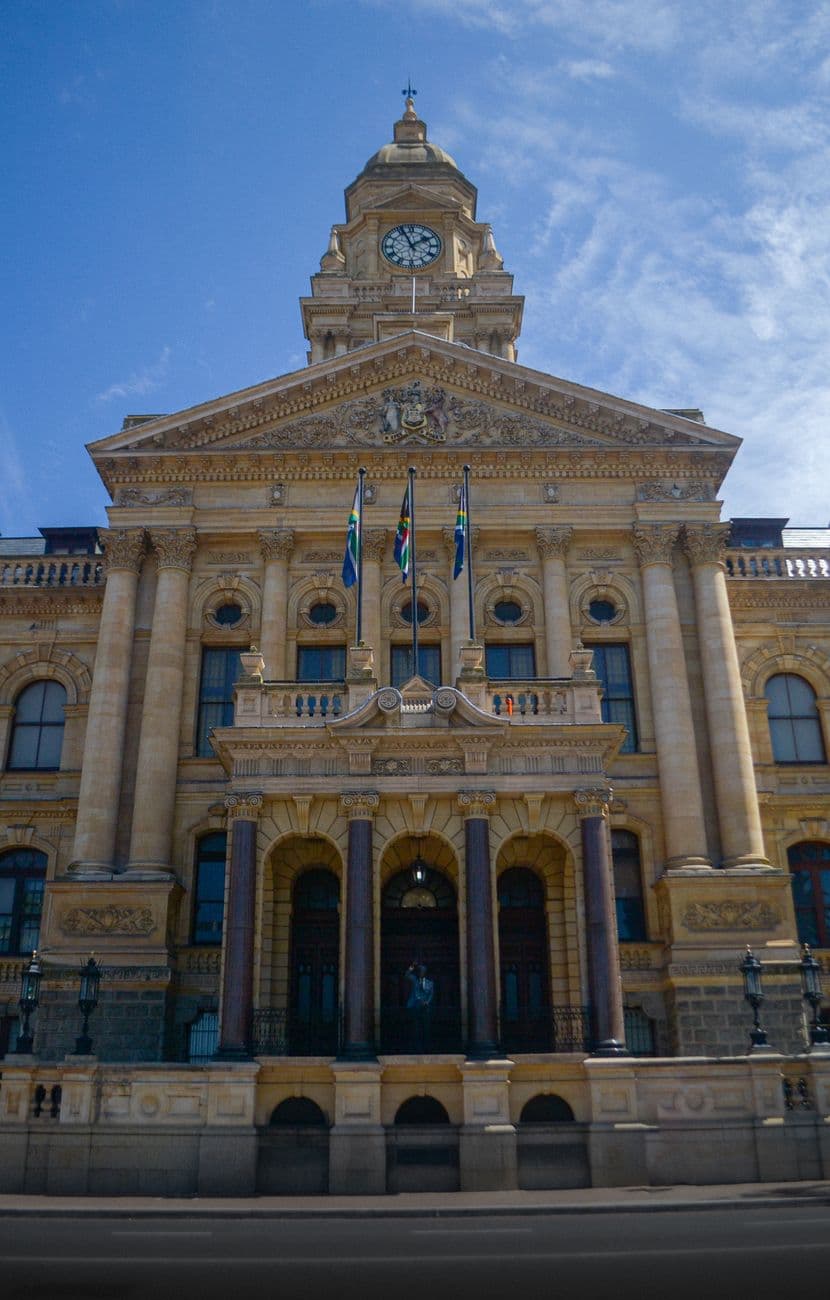
Malawian migrants flee South African towns after anti-migrant threats
Malawian migrants are leaving homes and shelters in South Africa after anti-migrant marches, local threats and recent violence intensified fear among foreign nationals. President Cyril Ramaphosa said only authorised state officials can enforce immigration law, while also promising tougher action on irregular migration and border corruption. Mozambique's government said five of its citizens were killed in attacks in Mossel Bay at the end of May, and Ghana, Nigeria, Mozambique and Malawi have been assisting citizens who want to return. The immediate story is a South African crisis, not a Belgian one: it tests whether Africa's largest industrial economy can manage migration law without vigilantism. For Belgium Pulse readers, it also speaks to a wider question visible in Europe: how economic stress, public-service pressure and electoral incentives can turn migration into a security issue unless institutions keep enforcement and protection separate.
Verified by Validiris·📚 7 sources·🧠 AI-checked·🇧🇪 Belgian: LowWhy you can trust this
About this story
Malawi (landlocked southern African state east of Zambia and west of Mozambique, independent since 1964) has long sent workers into South Africa's regional labour market. South Africa (the continent's most industrialised economy and a migration hub since the mining booms around Johannesburg) draws migrants from neighbouring states and farther afield. March & March (South African anti-migrant campaign group founded in 2025, according to contemporary reporting) has organised recent protests and set a 30 June deadline for undocumented migrants to leave. Cyril Ramaphosa (South African president since 2018 and African National Congress leader) addressed the tensions in a televised speech. Mossel Bay (Western Cape coastal town on South Africa's south coast) is where Mozambique's government said its citizens were killed. Kleinmond (Western Cape town south-east of Cape Town) hosted displaced Mozambican and Malawian migrants in a town hall. Statistics South Africa (the national statistical agency) publishes labour and census data used to frame the migration debate.
How to read this story
The history
South Africa has seen repeated anti-foreigner violence since the end of apartheid. Human Rights Watch documented attacks against migrants from Malawi, Zimbabwe and Mozambique in Alexandra in January 1995. The major May 2008 wave began in Alexandra and spread to other provinces; the Migration Policy Institute states that 62 people were killed, including 21 South Africans, and more than 100,000 were displaced. Further violence occurred in 2015 and in Johannesburg in September 2019. The pattern is not simply episodic: the Migration Policy Institute analysis links violent flare-ups to inequality, unemployment, restrictive migration channels and political mobilisation around foreigners.
The geopolitics
South Africa presents itself as a leading African diplomatic actor through BRICS, the G20 and regional forums, but xenophobic violence weakens that claim among neighbouring states whose citizens help sustain its labour market. The broader geopolitical issue is state capacity: a country can be economically central to a region while failing to protect mobile workers who make that regional economy function.
Why now
The story is timely because recent anti-migrant marches, the 30 June deadline set by March & March and reported deaths in Mossel Bay have moved fear from rhetoric into displacement and repatriation planning.
What to watch
Watch whether South African police prevent intimidation before 30 June, whether Malawi or other governments expand return assistance, and whether Ramaphosa's government opens talks with protest organisers while pursuing arrests or prosecutions tied to violence.
International angle
The crisis is regional before it is global: South Africa is the economic centre of a southern African labour market that includes Malawi, Mozambique, Zimbabwe and Lesotho. Repatriation efforts by African governments turn local intimidation into a diplomatic issue. For the EU, the comparison is indirect but relevant: migration enforcement loses legitimacy when private intimidation replaces transparent state process.
What this means for you
Belgian and EU readers with family, staff, partners or NGO operations in South Africa should monitor consular advisories and local security updates, especially around townships and protest sites. The practical lesson for policy readers is institutional: enforcement credibility depends on clear documentation procedures, police protection and visible limits on private groups demanding papers or removals.
What happens next
The key near-term date is 30 June, the deadline March & March has set for undocumented migrants to leave. South African authorities are expected to face pressure to prevent intimidation while showing visible immigration enforcement. Malawi and other governments could continue offering consular help or voluntary returns if fear spreads. Further violence, arrests or official talks with protest groups would change the risk picture quickly.
Potential consequences
If intimidation continues, more migrants may leave homes, close businesses or seek consular evacuation, deepening insecurity in already fragile communities. South Africa could face diplomatic strain with neighbouring states and reputational damage to its role as a regional hub. A security-heavy response could reduce visible irregular migration without addressing labour demand or documentation backlogs. A weak response, by contrast, could normalise private enforcement and make future election-period mobilisation more volatile.
Opposing perspectives
- South African presidency / state enforcement frame
President Cyril Ramaphosa's address argues that public concern over irregular migration is legitimate, but that enforcement must remain with authorised officials. This frame tries to separate tighter border and documentation control from vigilantism, warning that private groups demanding papers or forcing departures undermine state authority.
- March & March / anti-migrant mobilisation frame
March & March presents undocumented migration as an urgent pressure on jobs, healthcare, education and local order. Its strongest argument is that the state has failed to enforce its own laws, leaving communities to demand deadlines and deportations; that position becomes dangerous when protest pressure turns into threats or intimidation.
- Migrant-rights organisations
Lawyers for Human Rights' refugee and migrants programme argues that migrants are being used as scapegoats for governance failures, unemployment and service breakdowns. This frame stresses that legal status may not protect people from mob pressure, and that the state must protect residents from violence while handling documentation lawfully.
Timeline
- 1995-01·Human Rights Watch documented attacks on migrants from Malawi, Zimbabwe and Mozambique in Alexandra.
- 2008-05·A major wave of anti-foreigner violence began in Alexandra and spread across South Africa.
- 2015·South Africa saw another nationwide spike in xenophobic attacks, prompting some foreign governments to repatriate citizens.
- 2019-09·Violence in Johannesburg affected foreign-owned shops in the central business district and Jeppestown.
- 2025-03·March & March was founded, according to contemporary reporting.
- 2026-05·Mozambique's government said five citizens were killed in Mossel Bay attacks at the end of May.
- 2026-06-30·March & March's deadline for undocumented migrants to leave South Africa is due to expire.
Glossary
- SADC
- The Southern African Development Community, a 16-member regional bloc that includes South Africa, Malawi, Mozambique, Zimbabwe, Lesotho and other southern African states.
Related to this story
Live connections from the Belgium Impulse ecosystem — not recommendations.
This briefing was prepared with AI assistance and reviewed by a Belgium Impulse editor before publication. methodology.